
Blooming
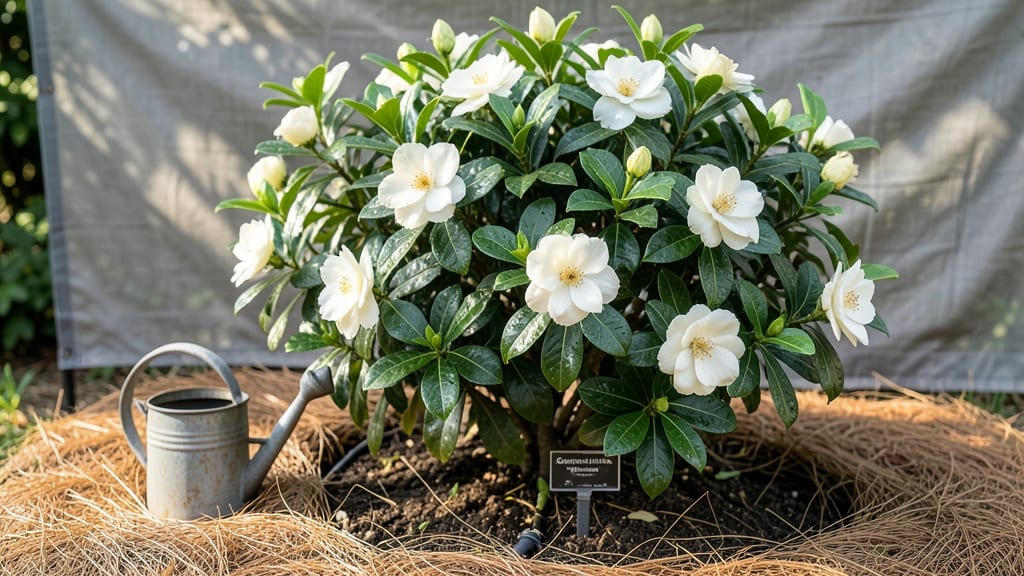
Gardenias don't bloom all summer—they primarily flower from late spring through early fall, with their most vibrant display appearing in late spring to early summer. Climate and variety play key roles in their bloom schedule.
Gardenias are seasonal bloomers, with their flowering cycle closely tied to temperature shifts. 🌸 In warmer climates like Florida or Hawaii, they might extend blooms into early fall, while northern gardeners often see flowers taper off by late summer.
The key factor is daylight—gardenias respond to longer days in spring, which triggers their peak bloom phase. Even with perfect care, their natural rhythm means you won't get continuous summer-long flowers.
What's interesting is how different varieties behave. Hardy gardenias like 'Kleim's Hardy' might bloom slightly later in the season, while tropical types often start earlier but fade faster when temperatures climb. This explains why your neighbor's gardenia might look completely different from yours—it's not just luck, but timing and location.
💡 In This Article
- Gardenia Blooming Seasons by Climate and Variety
- Tips to Prolong Gardenia Blooms Beyond Summer
Gardenia blooming seasons by climate and variety
Gardenias are tropical plants at heart, and their blooming cycles are directly tied to temperature fluctuations and daylight hours. In USDA Hardiness Zones 8-11 (where winters are mild or nonexistent), gardenias typically bloom from late April to October, with peak flowering between May and July.
The key trigger is the transition from cooler winter temperatures to warming spring air—this shift signals the plant to produce flowers. In Zones 7 and below, gardenias often enter dormancy in winter, delaying blooms until late May or June, and may stop flowering by August as days shorten.
The variety makes a huge difference. Tropical gardenias like 'Radicans' or 'Veitchii' thrive in heat and bloom continuously in warm climates, but their flowers may fade faster in temperatures above 90°F.
Hardy varieties such as 'Kleim’s Hardy' or 'Fortuniana' are bred to handle cooler nights and may bloom slightly later in the season, often extending into early September in ideal conditions.
What’s fascinating is how these varieties respond to daylength sensitivity—some need 12+ hours of daylight to trigger blooming, while others rely more on temperature cues.
Climate also affects bloom intensity. In humid, coastal regions like Florida or Southern California, gardenias may produce 2-3 bloom cycles per year due to stable warmth, while inland areas with hotter summers might see only one peak bloom followed by a decline.
The scent intensity also varies—cooler mornings in spring enhance fragrance, while summer heat can make flowers bloom faster but with less aroma. This explains why gardenias often smell sweeter in May than in July, even if they’re still flowering.
Dormancy is another critical factor. In colder climates, gardenias may drop buds or leaves in late summer as a survival mechanism, preparing for winter. This isn’t a sign of poor health—it’s a natural response to shorter days and dropping temperatures.
Even in warm zones, gardenias may take a 2-3 week break between bloom cycles, especially if they’ve been stressed by overwatering or nutrient imbalances. Understanding these patterns helps set realistic expectations for your gardenia’s performance.
Here’s how to spot the differences in your own gardenia:
- Early bloomers: Start flowering in April-May (common in tropical varieties)
- Mid-season bloomers: Peak in June-July (most common in temperate zones)
- Late bloomers: Flower in August-September (hardy varieties in cooler climates)
One common misconception is that gardenias stop blooming because of lack of water or fertilizer. While proper care helps, the real limiting factor is biology. Gardenias are programmed to follow seasonal cues, much like their wild relatives in tropical forests.
Even with perfect conditions, you won’t get nonstop summer blooms—just a slightly extended season if you optimize care during late spring and early fall. 🌿