
Tools
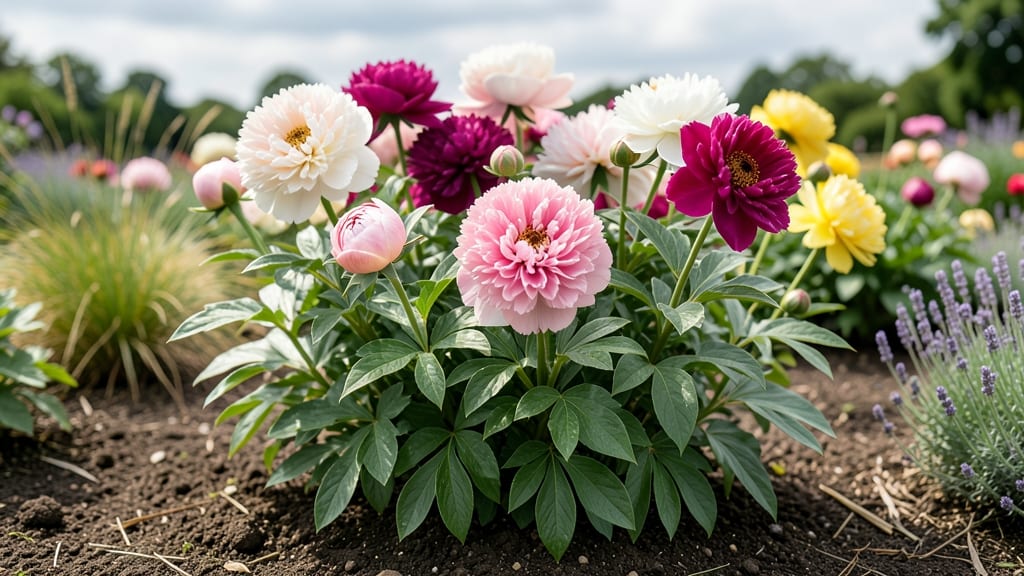
Canada’s most famous gardens include Butchart Gardens in British Columbia, known for its vibrant floral displays and Mediterranean-inspired landscapes, along with the historic Nottawasaga Pioneer Village’s botanical gardens and the serene Stanley Park’s lush greenery in Vancouver.
When you think of Canada’s most breathtaking green spaces, these three stand out for their unique charm and global recognition. 🌸 Butchart Gardens, often called the "Jewel of British Columbia," draws visitors with its dramatic sunken gardens and rare plant collections, while Nottawasaga Pioneer Village offers a step back in time through its historic botanical displays.
Stanley Park’s gardens in Vancouver provide a perfect urban escape with carefully curated native plantings. Each offers something distinct—whether it's the grandeur of Butchart’s Mediterranean terraces or the peaceful ambiance of Stanley Park’s winding paths.
What makes these gardens truly special is how they blend natural beauty with cultural significance. Butchart Gardens, for example, was originally created as a private family project in 1903 and now spans over 55 acres, featuring over 1 million plants across 50+ themed gardens.
Meanwhile, Stanley Park’s gardens showcase Vancouver’s commitment to preserving local ecosystems, making them ideal for nature lovers and photographers alike. The diversity in design and purpose ensures there’s a perfect garden experience for every type of traveler.
💡 In This Article
- Why Butchart Gardens Stands Out Among Canada’s Top Botanical Sites
- Planning Your Visit: Best Canadian Gardens by Season and Region
Why Butchart gardens stands out among Canada’s top botanical sites
Butchart Gardens isn’t just Canada’s most visited garden—it’s a masterpiece of landscape engineering that defies British Columbia’s rainy climate. The gardens were created in 1903 by Jennie Butchart as a memorial for her husband, using the steep, rocky terrain around her family’s limestone quarry. The solution?
A Mediterranean-style design with terraced levels, sunken gardens, and carefully selected drought-tolerant plants that thrive despite receiving only 70% of the annual rainfall compared to other Vancouver Island regions. This innovation allowed them to cultivate over 1 million plants across 55 acres without relying on excessive irrigation.
The centerpiece, the Sunken Garden, is a breathtaking example of early 20th-century horticultural artistry. Designed with 15-foot-high walls and cascading fountains, it creates a microclimate that extends the growing season by 2-3 weeks compared to surrounding areas.
The garden’s 100+ varieties of rhododendrons and 20,000 tulips in peak season produce a visual impact that rivals Europe’s most famous botanical displays. What’s remarkable is how the garden’s acidic soil (pH 5.5-6.0) was chemically adjusted to support these acid-loving plants—a technique pioneered here decades before becoming standard practice.
Butchart’s global reputation stems from its conservation-first approach. The gardens introduced Canada to 100+ rare plant species, including the giant sequoia (one of only two in BC) and Japanese maples that now thrive in their climate-controlled glasshouses.
Their nighttime lighting system, installed in 1995, was one of North America’s first to use low-energy LED technology, reducing energy consumption by 40% while enhancing visibility.
This blend of innovation and preservation attracts 1.2 million visitors annually, making it Canada’s most visited paid attraction after Niagara Falls.
The seasonal transformations at Butchart are nothing short of magical. In spring, the 50,000 tulips create a sea of color that lasts 6 weeks, while summer features the Rose Garden’s 5,000 bushes in full bloom.
Autumn brings Japanese maples that turn fiery shades of red and orange, and winter’s holiday lights transform the gardens into a 1.5 million bulb spectacle. This year-round visual journey ensures visitors return multiple times, each season offering a completely different experience.
What most visitors don’t realize is how Butchart Gardens has influenced modern Canadian horticulture. Their propagation program has helped reintroduce endangered native plants like the Western red cedar and Saskatoon berry to restoration projects across the country.
The gardens also serve as a climate change research site, tracking how plant species adapt to increasing rainfall variability—data now used by universities like UBC. This dual role as both tourist attraction and conservation leader sets Butchart apart from other Canadian gardens.
For those planning a visit, timing is everything. The peak bloom periods (mid-May for tulips, July for roses) align with mild coastal temperatures (60-75°F), making it ideal for outdoor exploration. Pro tip: Arrive 30 minutes before opening to beat crowds at the Sunken Garden—the most photographed spot.
The $38 admission fee includes access to all themed gardens, a free audio tour, and the Butchart Gardens Railway, which offers a unique elevated view of the landscape. 🌿