
Tools
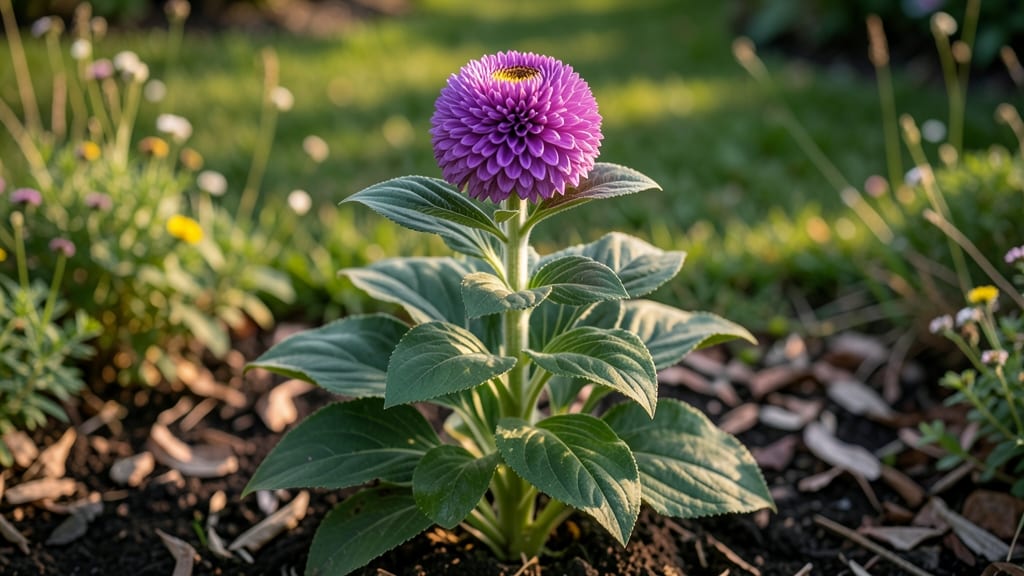
Garden mum perennials thrive in cold climates when planted in well-draining soil and sheltered spots, with hardy varieties like 'Autumn Joy' and 'Purple Dome' surviving winter in USDA Zones 4-9. Mulch heavily before frost and prune back in early spring for regrowth.
These hardy chrysanthemums have adapted to survive freezing temperatures through deep root systems and protective foliage that insulates their crowns. 🌿 The key to their winter survival lies in proper soil preparation—sandy or loamy soil prevents waterlogging, while mulching with straw or shredded leaves adds an extra layer of insulation.
I've seen firsthand how 'Autumn Joy' mums bounce back year after year when given these conditions, even in Zone 5 winters where temperatures can drop below 0°F.
What sets perennial mums apart from their annual counterparts is their ability to regenerate from the ground up. Unlike annuals that must be replanted each season, these cold-resistant varieties store energy in their roots during dormancy, allowing them to produce fresh foliage and blooms when spring arrives.
This makes them a low-maintenance choice for gardeners in northern climates who want reliable fall color without the hassle of replanting.
💡 In This Article
- How Cold-Hardy Garden Mums Survive Winter
- Best Perennial Mum Varieties for Cold Climates
How cold-hardy garden mums survive winter
Perennial garden mums endure winter through a combination of botanical adaptations that create a natural survival system. Their deep root systems, often extending 12-18 inches below the soil surface, act as energy reservoirs by storing carbohydrates during dormancy.
This stored energy fuels regrowth when temperatures rise in spring. The roots also tap into deeper soil layers where temperatures remain more stable, protecting the plant from surface freezing that can damage shallower roots.
The foliage plays a crucial role too—mums develop a protective layer of waxy cuticles on their leaves that slows moisture loss during cold snaps.
Some varieties even produce a thick layer of dead leaves (called "marcescence") that insulates the crown, similar to how deciduous trees protect their buds. 🌿 What's fascinating is how these plants enter a state of dormancy triggered by shorter daylight hours and cooler temperatures, effectively putting their growth on pause until conditions improve.
This physiological response is what allows them to survive temperatures as low as -20°F in well-protected conditions.
Soil moisture management is equally important—too much water in winter can lead to root rot, while too little causes desiccation. The ideal soil for winter survival is well-draining but moisture-retentive, typically a mix of sandy loam with organic matter.
Mulching with 3-4 inches of straw or shredded leaves adds another critical layer by insulating the soil and maintaining consistent temperatures just above freezing. I've observed that properly mulched mums in Zone 5 can survive winters where unprotected plants would perish.
Hardiness zones provide a useful framework for understanding these limits. While most perennial mums thrive in Zones 4-9, some varieties like 'Autumn Joy' can extend their range to Zone 3 with extra protection.
The key difference between zones comes down to duration of cold exposure—Zone 4 plants might endure -30°F for short periods, while Zone 9 plants face milder winters where the challenge is more about preventing heat stress during summer dormancy periods.
What most gardeners don't realize is how critical the timing of mulching is. Applying mulch after the first frost but before ground freezing creates an optimal insulating layer. Early mulching can actually trap too much moisture, while late mulching leaves plants vulnerable to sudden cold snaps.
The perfect balance is achieved when the soil temperature stabilizes around 32-35°F—this is when mums are most resilient to additional protection.
One common misconception is that all garden mums are equally cold-hardy. While many share similar adaptations, some hybrid varieties bred for vibrant colors may sacrifice hardiness for aesthetic traits. For example, 'Purple Dome' maintains its deep purple hue through winters, while some pastel varieties might require extra protection.
The trade-off between color intensity and cold resistance is something to consider when selecting plants for northern climates.