
Tools
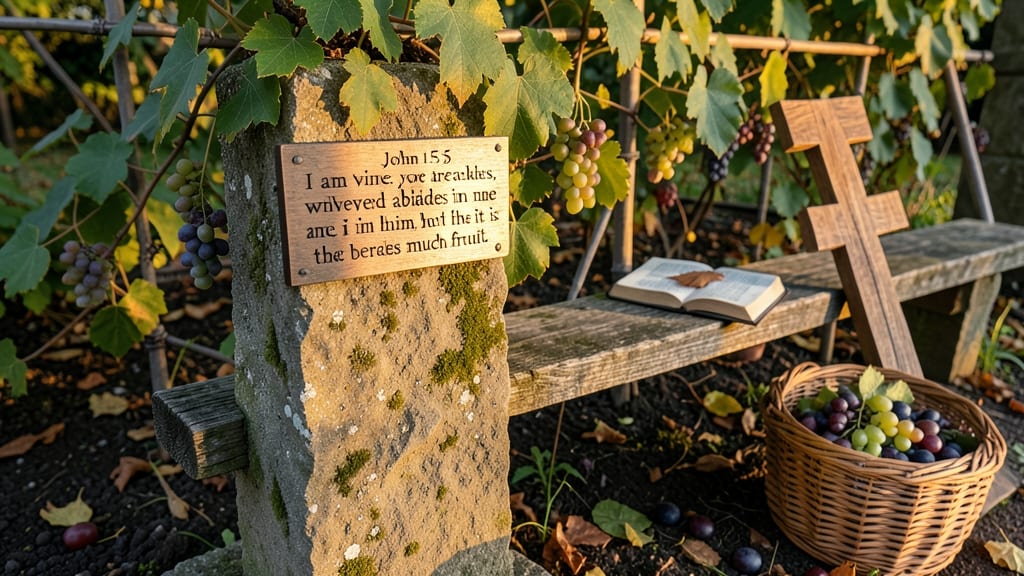
Garden verses in the Bible reveal powerful lessons about cultivation, divine care, and the rewards of faithful stewardship—from Eden’s lush paradise (Genesis 2:8-9) to the vineyards of Song of Solomon 2:15 and Isaiah’s prophetic parable (5:1-7). These passages remind us that gardening reflects our relationship with creation and God’s promises.
These biblical gardens aren’t just picturesque—they’re living metaphors for how we nurture what we’ve been entrusted with. 🌱 Take Genesis 2:15, where God places Adam in Eden to "work it and take care of it"—that’s the original blueprint for intentional gardening.
Even Jesus used gardening language in John 15:1 ("I am the true vine") to teach about spiritual growth, showing how deeply these themes run through Scripture.
What’s fascinating is how these ancient verses apply to modern gardening. When you’re wrestling with weeds or waiting for seeds to sprout, passages like Psalm 104:14 ("He makes grass grow for the cattle and plants for people to cultivate") offer perspective.
It’s a reminder that growth often happens in seasons we can’t control—and that’s where trust comes in.
💡 In This Article
- Biblical Gardens: Symbolism and Spiritual Lessons
- Practical Gardening Wisdom from Scripture
Biblical gardens: symbolism and spiritual lessons
The garden of Eden in Genesis 2:8-9 serves as the original divine garden, where God planted every kind of tree for beauty and sustenance. This wasn't just a place of abundance—it symbolized God's intention for humans to engage in meaningful work and stewardship.
The lush environment with its four rivers (Pishon, Gihon, Hiddekel, and Euphrates) represents a harmonious balance between human effort and divine provision, where every seed planted holds potential for growth and purpose.
Solomon’s vineyards in Song of Solomon 2:15 paint a vivid picture of cultivated beauty, where the Beloved describes herself as a garden locked up—a metaphor for intimacy and care. The imagery here shifts from Eden’s wild abundance to cultivated intimacy, showing how gardens reflect relationships.
The vineyard in Isaiah 5:1-7 takes this further, using a parable of a neglected vineyard to critique Israel’s spiritual neglect. This passage reveals how gardens symbolize both blessing and consequence, depending on how we tend to what God has given us.
Jesus’ gardening language in John 15:1 ("I am the true vine") transforms these symbols into spiritual truths. Here, the vineyard becomes a metaphor for our connection to Christ, where proper cultivation (obedience, prayer) leads to abundant fruit.
The contrast between thorns and fruit in Genesis 3:18-19 after the Fall shows how human choices affect our ability to cultivate life—even in redemption, gardening remains an act of trust and effort.
What’s striking is how these gardens mirror the gardener’s role: Eden’s Adam was tasked with naming and caring for creation, while Isaiah’s vineyard owner expected fruit. This pattern repeats in modern gardening—whether you’re planting tomatoes or tending a flowerbed, you’re participating in that ancient call to stewardship.
The soil’s texture, the way roots spread, even the patience required for seeds to break through—these physical acts mirror the spiritual lessons of trust and diligence found in Scripture.
Consider the contrast between Eden’s perfect garden and the thorny ground of Genesis 3:17-18. After the Fall, work becomes harder, yet it remains meaningful—a reminder that gardening, like faith, involves both struggle and hope.
The sweat of planting tomatoes or pulling weeds echoes the biblical truth that meaningful growth requires effort, but the harvest belongs to God’s timing and provision.
These passages also reveal a progression: from Eden’s paradise to Solomon’s cultivated intimacy to Isaiah’s neglected vineyard, showing how gardens reflect our relationship with God. The common thread?
Gardens demand attention, yield rewards, and ultimately point to something greater than ourselves—whether it’s divine care or the promise of redemption through Christ.