
Planting
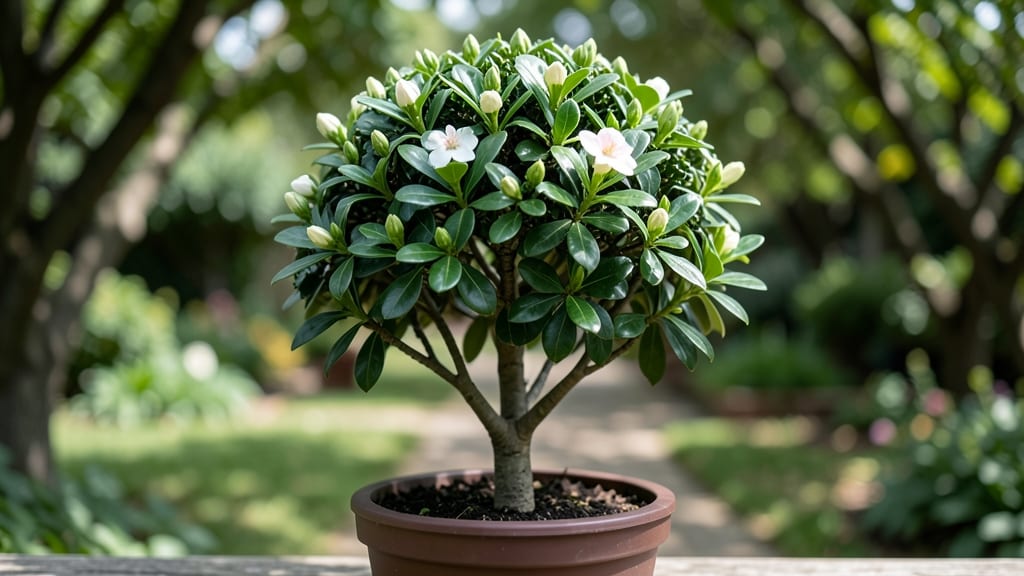
Creating a gardenia topiary plant requires precise pruning in late spring or early summer, shaping with sharp shears, and consistent training with soft wire supports to maintain delicate floral forms while encouraging dense growth. Use sterilized tools and avoid over-trimming to preserve blooms.
A gardenia topiary plant thrives on careful shaping and timing—think of it like sculpting a living work of art. 🌿 The key is to prune just after the first flush of blooms in late spring, when the plant is actively growing but before it sets buds for the next season.
This timing ensures you encourage new growth while preserving the existing flowers. I always use sterilized pruners to prevent disease, and I recommend starting with a basic shape before refining details over time.
What sets gardenia topiaries apart is their need for gentle guidance. Unlike hardy shrubs, gardenias respond poorly to aggressive pruning, so I focus on gradual shaping with soft wire supports to guide branches into place.
This approach maintains their signature delicate blooms while creating that perfect, polished look. For best results, choose varieties like 'Kleim’s Hardy'—they’re more forgiving for beginners but still produce stunning, fragrant flowers.
💡 In This Article
- How to Prune Gardenia Topiary for Healthy Growth
- Best Gardenia Varieties for Topiary Shapes
How to prune gardenia topiary for healthy growth
The secret to pruning gardenia topiaries lies in understanding their natural growth rhythm. Gardenias bloom on new wood, meaning they produce flowers on current season's growth rather than old wood.
This means you should prune right after flowering—typically in late spring or early summer—when the plant has finished its first bloom cycle. Cutting at this stage removes spent flowers while stimulating fresh growth for the next season.
Think of it as giving your plant a clean slate while preserving its energy for future blooms.
For shaping, I recommend a technique called step-back pruning, where you gradually reduce the size of your cuts over time. Start by removing only the outermost growth (about 1/3 of the plant's height) in the first year to encourage bushiness.
Use sharp, sterilized bypass pruners to make clean cuts at a 45-degree angle just above a leaf node. This angle helps water run off and prevents rot. Avoid cutting into old wood—gardenia branches don't regrow well from severe cuts, so always leave some green growth behind.
The tools you use make a surprising difference. I can't stress enough how important sterilized tools are—gardenia plants are prone to fungal diseases like powdery mildew, and contaminated shears can spread it. After each cut, wipe your pruners with rubbing alcohol or a 10% bleach solution.
For shaping, soft copper or aluminum wire (about 2-3mm thick) works best for training branches. Wrap it gently around stems to guide growth without restricting airflow, which gardenias need to thrive. 🌸
Timing is everything when it comes to avoiding common mistakes. Never prune in fall or winter—this is when gardenias set next year's flower buds, and aggressive cuts will reduce blooms. Also, avoid over-pruning—gardenia topiaries should never be reduced by more than 25-30% of their height per year.
If you cut too much at once, the plant may focus on regrowing foliage rather than producing flowers. Instead, think of each pruning session as a refinement rather than a drastic transformation.
For maintaining that perfect topiary shape, I use a technique called pinching on new growth. When your gardenia sprouts new shoots, gently pinch off the tips with your fingers when they reach about 3-4 inches. This encourages the plant to branch out rather than grow tall and leggy.
Combine this with your wire supports, and you'll create a dense, compact structure that's perfect for topiary. Remember, gardenias grow at a moderate pace—about 6-12 inches per year—so patience is key.
The reward for your careful pruning comes in the form of those iconic gardenia blooms. When done correctly, your topiary will produce larger, more abundant flowers with that signature creamy white color and intoxicating fragrance. The key is balancing structural pruning (for shape) with flower-preserving cuts (avoiding old wood).
With time, your gardenia topiary will develop a textured, layered appearance that's both functional and beautiful—like a living sculpture that keeps giving back with its stunning blooms. 🌿