
Tools
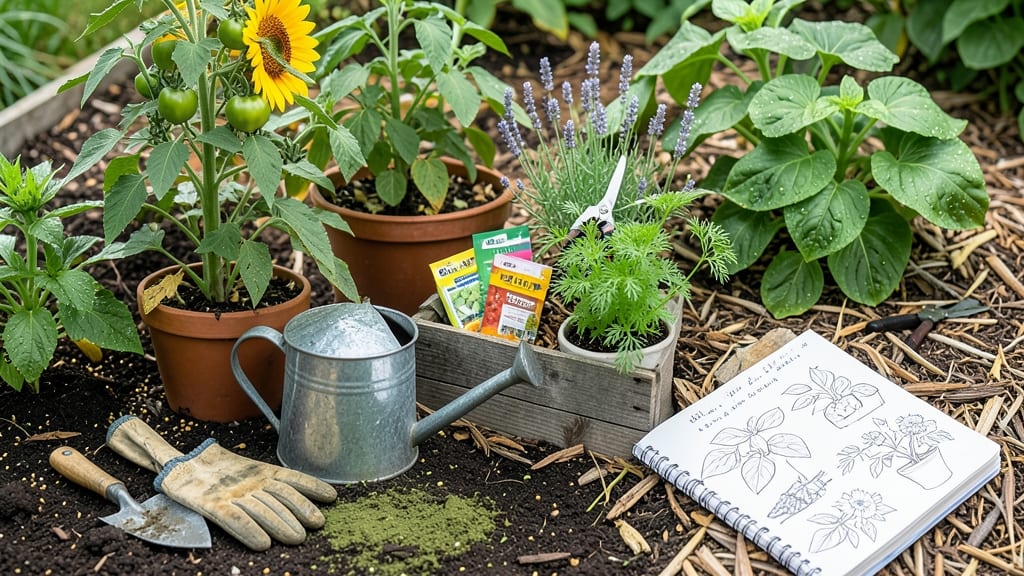
Calling gardening by other words can mean horticulture, landscaping, plant care, or green thumb work—each term carries its own purpose, whether for professional projects or weekend hobbies.
Calling gardening by other words isn't just about variety—it's about precision. Horticulture leans into the scientific side, perfect for someone growing crops or studying plants professionally.
Meanwhile, landscaping focuses on design and outdoor spaces, like arranging flowers or installing garden paths. 🌱 For casual gardeners, terms like plant parenting or yard work add personality, making the task feel more approachable.
Regional slang, like dirt farming in the South or allotment tending in the UK, also reflects local culture and traditions.
What's fascinating is how these terms evolve with trends—think urban gardening for city dwellers or sustainable cultivation for eco-conscious growers. The right word can even shift how you approach a project, whether you're aiming for productivity, aesthetics, or just a little green therapy. 💫
💡 In This Article
- Horticulture vs Gardening: Key Differences and When to Use Each
- 15 Everyday and Creative Synonyms for 'Gardening'
Horticulture vs gardening: key differences and when to use each
The core difference between horticulture and gardening lies in their purpose and scope. Horticulture is the scientific study and cultivation of plants for food, medicine, or ornamental use—think of it as the agricultural cousin of gardening.
It involves techniques like grafting, soil science, and crop rotation, often practiced by professionals in nurseries or farms. For example, a market gardener focuses on growing vegetables for sale, using precise methods to maximize yield and quality.
Gardening, on the other hand, is more about personal enjoyment and aesthetics. It’s the creative act of designing outdoor spaces, nurturing flowers, or growing herbs for home use.
While horticulture relies on data-driven practices, gardening often prioritizes beauty, relaxation, or even therapeutic benefits. 🌿 The distinction becomes clearer when you consider ornamental horticulture (a specialized field within horticulture) versus a backyard gardener arranging flowers for a summer wedding—both involve plants, but with entirely different goals.
Historically, horticulture emerged from agriculture as plants were selectively bred for specific traits, like disease resistance or larger fruit. Today, it’s a field with academic degrees, while gardening remains a hobby or passion.
Yet, the two overlap in practice—many gardeners use horticultural techniques without realizing it, like companion planting to deter pests or amending soil with compost for better growth.
Industry-specific terms further highlight the divide. Agronomy focuses on field crops like wheat or corn, while horticulture narrows in on fruits, vegetables, and flowers. Meanwhile, landscaping—another related term—shifts the focus to designing outdoor spaces, often involving hardscapes like patios or water features.
The key takeaway? Use horticulture when discussing technical, large-scale, or scientific plant cultivation, and gardening for personal, creative, or leisurely plant care.
For instance, if you’re growing tomatoes for a community garden, you might call it gardening. But if you’re breeding new varieties for a seed company, that’s horticulture. The same soil and plants can serve both purposes, depending on the intent. 🌱
Even language reflects this divide: Green thumb work leans toward gardening’s casual side, while botanical research or agricultural science aligns with horticulture’s technical roots. Understanding these nuances helps you communicate clearly—whether you’re chatting with a neighbor about their roses or discussing crop yields with a farmer.