
Planting
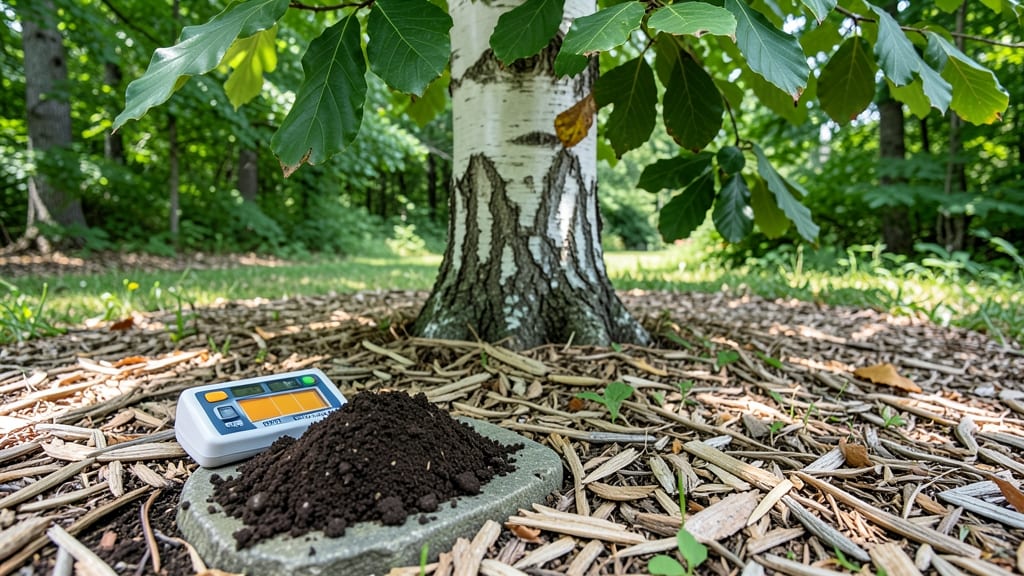
Gardening in Zone 7A thrives with cold-hardy plants that survive temperatures between 0°F and 5°F (-18°C to -15°C), featuring perennials like lavender and hydrangeas alongside fruit trees such as apples and peaches, while strategic seasonal timing maximizes success for vegetables and flowers.
Zone 7A's 0°F to 5°F winter lows create a unique growing environment where frost dates become your best friend. 🌱 Unlike colder zones, you can push the limits with late-season plantings—think cool-weather crops like kale or spinach thriving well into fall.
The key is leveraging your last frost date (typically around April 15) to time plantings perfectly, while mulching and row covers extend the growing season into early spring.
I've found that understanding these microclimate variations—like warmer pockets near south-facing walls—can mean the difference between a thriving garden and a struggling one.
This zone also excels with perennial powerhouses that reward patience. Lavender and hydrangeas, for example, establish deep roots during Zone 7A's mild winters, then burst into bloom come summer.
Meanwhile, fruit trees like peaches and apples benefit from the zone's 180-240 frost-free days, giving them time to mature before winter sets in. The trick is balancing these long-term investments with seasonal crops that deliver quick rewards—like tomatoes and peppers—that thrive in the zone's hot summers.
💡 In This Article
- Understanding Zone 7A Plant Hardiness and Climate Factors
- Best Seasonal Planting Calendar for Zone 7A Gardens
Understanding zone 7A plant hardiness and climate factors
Zone 7A's cold tolerance—ranging from 0°F to 5°F (-18°C to -15°C)—is determined by the USDA's average annual minimum temperature calculations over a 30-year period. This means plants must survive at least 10% of years with temperatures in this range.
The science behind this involves plant physiology: deciduous trees like apple and peach drop leaves to reduce surface area and minimize water loss, while evergreens like boxwoods have specialized cells that prevent ice crystal formation in their needles. 🌿
Frost dates are critical because they define your growing season. In Zone 7A, the average last spring frost typically occurs around April 15, while the first fall frost arrives around October 15.
These dates create a 180-240 day growing window—long enough for two full harvest cycles of warm-season crops like tomatoes and peppers. The key mechanism here is soil temperature: seeds won't germinate until the soil reaches 50-60°F (10-15°C), which usually happens 2-3 weeks after the last frost.
Microclimates add another layer of complexity. A south-facing wall can create a 5-10°F warmer microclimate than the surrounding area, allowing you to plant tender crops like basil or eggplant 2-3 weeks earlier in spring or 1-2 weeks later in fall.
This is why I always recommend testing multiple locations in your garden—what thrives in one spot might fail just 10 feet away. 🌡️
Soil preparation is equally vital. Zone 7A's clay-heavy soils (common in many areas) need organic matter (compost, leaf mold) to improve drainage and water retention. Aim for 3-5% organic content—this helps roots establish before winter sets in.
For frost protection, I've found that mulching with 4-6 inches of straw can raise soil temperatures by 5-10°F and protect shallow roots from freeze-thaw cycles that can damage plants.
Winter resilience comes down to three key factors: root insulation, water management, and wind protection. Evergreens like lavender and rosemary benefit from burlap windbreaks that reduce desiccation from winter winds, while hydrangeas need well-draining soil to prevent root rot during thaw cycles.
The most critical period is late winter, when daytime temperatures rise above freezing but nights drop below—this causes plants to "fool" into growth before the final freeze.
For fruit trees, the secret lies in dormancy training. Young peach trees, for example, need 200-400 chill hours (temperatures between 32-45°F) to break dormancy properly. Without enough chill hours, trees may bloom late and risk spring frost damage.
This is why Zone 7A's climate is nearly perfect for stone fruits—they get just enough winter cold to satisfy their dormancy needs without extreme temperature swings.
What most gardeners don't realize is how humidity levels affect winter survival. Zone 7A's moderate humidity (typically 60-70% in winter) helps prevent freeze-induced dehydration in woody plants.
In drier microclimates, you might need to water evergreens in late fall to build up moisture reserves—just 1-2 deep waterings can make a difference during dry winters.