
Planting
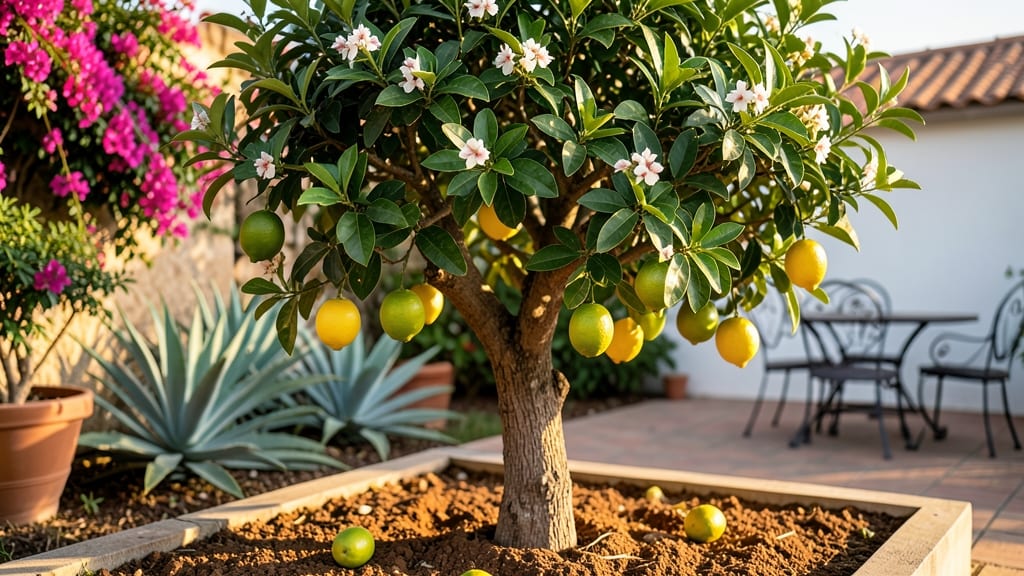
Gardening in Zone 9a requires selecting drought-resistant plants like bougainvillea, citrus trees, and succulents, while strategic adjustments—such as using shade cloth and mulching—help protect against extreme summer heat and occasional winter chills. The region's mild winter temperatures (25-30°F) influence which varieties will flourish year-round.
Zone 9a's unique climate—characterized by hot summers and rare but potentially damaging cold snaps—demands a tailored approach. 🔥 The key is balancing sun-loving species with those that can handle brief temperature dips, like olive trees or rosemary.
I've found that adjusting irrigation schedules (watering deeply but less frequently) and creating windbreaks with native shrubs can make a huge difference in plant resilience. Plus, the longer growing season means you can experiment with warm-season crops well into autumn!
For beginners, starting with low-maintenance plants like agave or bougainvillea builds confidence while establishing a foundation for more complex landscaping. The real magic happens when you combine these heat-lovers with smart microclimate strategies—like positioning water features to cool nearby air or using reflective mulch to reduce soil temperatures.
This dual approach turns Zone 9a's challenges into opportunities for vibrant, low-stress gardens.
💡 In This Article
- How to Identify and Adapt to Zone 9a Microclimates
- Top Heat-Resistant Plants for Thriving Zone 9a Gardens
How to identify and adapt to Zone 9a microclimates
Zone 9a's climate isn't uniform—it's a patchwork of microclimates where temperature can vary by 10-15°F within just a few blocks. Urban areas, for example, often experience the "urban heat island" effect, where asphalt and concrete trap heat, raising temperatures by 5-10°F compared to rural areas.
Coastal regions, meanwhile, benefit from cooling breezes that can drop afternoon temps by 3-5°F, creating ideal conditions for salt-tolerant plants like rosemary or sea lavender.
The elevation plays a critical role too: just 1,000 feet higher can mean 3-5°F cooler nights, which is why hillside gardens often thrive with Mediterranean species like olive trees or lavender.
These microclimates also affect humidity—coastal areas may have 70-80% humidity in summer, while inland zones can drop to 30-40%, influencing irrigation needs. The key is observing your specific spot's patterns over 2-3 weeks using a simple thermometer or plant heat stress indicators like wilting leaves on heat-sensitive species.
Adapting starts with physical adjustments. Windbreaks made from native shrubs like Texas sage or desert willow can reduce drying winds by 30-50%, while strategic mulching with 3-4 inches of wood chips keeps soil temps 5-10°F cooler than bare ground.
For urban gardeners, reflective mulches or light-colored containers can cut soil temperatures by 15°F during peak summer. I've seen dramatic improvements in tomato yields by simply moving plants 10 feet closer to a shaded wall during the hottest afternoon hours.
Water management becomes more nuanced in these varied conditions. Coastal microclimates may require daily watering for new transplants, while inland zones might only need every 5-7 days once established. The secret is checking soil moisture at 2-inch depth—if it's dry, water deeply; if damp, hold off.
Drip irrigation systems with 2-gallon-per-hour emitters give you precise control, while smart timers prevent overwatering during sudden rain showers that can occur even in arid zones.
Soil amendments tailored to your microclimate make a world of difference. Sandy soils common in coastal areas benefit from 2-3 inches of compost to improve water retention, while clay-heavy inland soils may need gypsum or perlite to prevent compaction.
I've noticed that adding 1/4 cup of Epsom salt per plant every 6-8 weeks helps heat-loving plants like bougainvillea produce more vibrant blooms by enhancing magnesium uptake—something that works particularly well in the alkaline soils common to Zone 9a.
Don't overlook the power of plant placement. Grouping heat-loving species together creates a self-regulating ecosystem where taller plants provide shade for shorter varieties.
For instance, planting citrus trees on the north side of a palm tree lets the palm act as a natural windbreak while the citrus benefits from partial shade during the hottest hours. This "plant guild" approach mimics natural ecosystems and reduces your need for artificial interventions.
Remember that microclimates aren't static—they evolve with seasonal changes. What works in July's 105°F heat might need adjustment for December's 40°F chills. Keeping a simple garden journal tracking temperature fluctuations, plant responses, and care routines will reveal patterns you can leverage.
The most successful Zone 9a gardens I've seen treat microclimates as assets rather than challenges, using them to create diverse growing zones within a single landscape.