
Vegetables
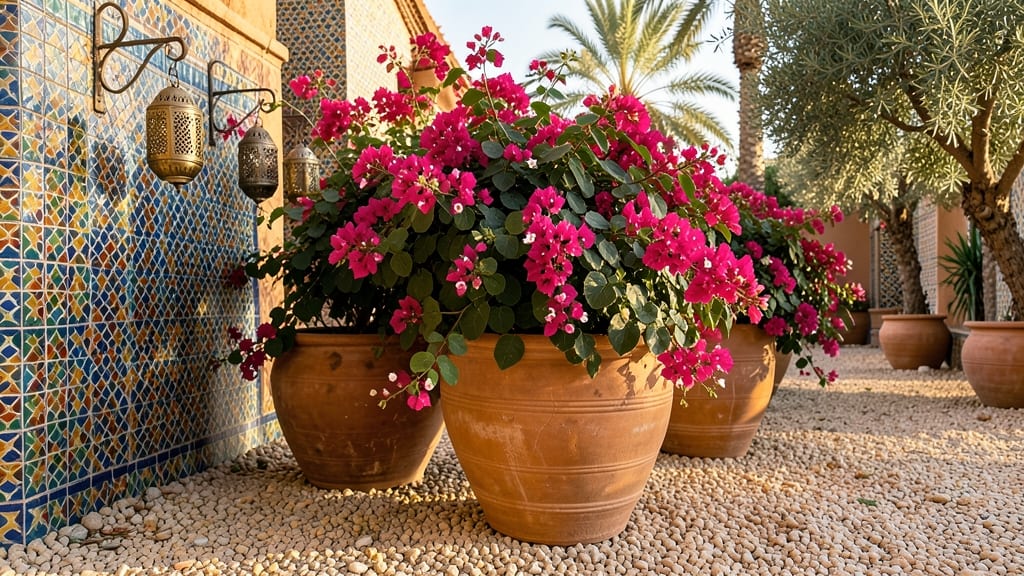
The Gardens of Marrakech create serene escapes where vibrant flora meets intricate Islamic architecture, combining reflective pools, fragrant citrus trees, and meticulous tile patterns that honor Morocco's desert-adapted traditions. Standout destinations like Majorelle, Menara, and Jardin Secret showcase both historic craftsmanship and modern botanical innovation.
The Gardens of Marrakech transform the city's arid landscape into lush, culturally rich sanctuaries where every element tells a story. 🌿 These spaces aren't just about beauty—they're living examples of sustainability, using water features like fountains to create microclimates that support drought-resistant plants while reflecting centuries-old Islamic garden principles.
What makes them truly special is how they blend tradition with innovation, from Majorelle's bold modernist touches to Jardin Secret's hidden rose-lined pathways that transport visitors to another era.
What often surprises first-time visitors is how these gardens serve as both botanical showcases and cultural classrooms. Each one offers a different perspective on Moroccan heritage—whether through the geometric precision of Menara's layout or the vibrant cobalt hues of Majorelle's walls.
The best way to experience them is by visiting during cooler morning hours when the fragrance of citrus blossoms and the play of light on tilework create magical atmospheres that photos simply can't capture. These aren't just gardens; they're open-air museums where nature and history intertwine in perfect harmony.
💡 In This Article
- Marrakech Garden Design: Water, Geometry, and Botanical Harmony
- Visiting Marrakech’s Hidden Gardens: Tips for Best Botanical Experiences
Marrakech garden design: water, geometry, and botanical harmony
The heart of Moroccan garden design lies in its four essential elements: water, plants, shade, and geometry—each serving both aesthetic and functional purposes. Water isn't just decorative; it's a climate control system.
Traditional fountains and pools create microclimates by increasing humidity through evaporation, allowing plants to thrive in Marrakech's hot, dry climate (average summer temps reach 104°F).
The quadrangular layout (often divided into four equal parts) mirrors Islamic cosmology, symbolizing the four rivers of Paradise while ensuring balanced air circulation and shade distribution.
Plants are carefully selected for their drought tolerance and fragrance. Bougainvillea's vibrant blooms (which can grow in sandy, poor soil) provide year-round color, while orange and lemon trees offer both visual appeal and aromatic relief from the desert heat.
The famous cobalt blue tilework isn't just decorative—it reflects sunlight to keep spaces cooler, a technique perfected by Berber artisans.
At Majorelle Garden, Yves Saint Laurent's modernist interventions (like the bold blue walls) contrast with traditional Islamic gardens by using clean lines and minimalist patterns, yet still honor the same principles of symmetry and water integration.
What makes these gardens work so well is their hydrological engineering. Many feature subterranean irrigation channels (qanats) that bring water from distant sources without evaporation. The famous Menara Garden's fountain isn't just pretty—it's a 13th-century water management system that collects and redistributes rainwater.
Visitors often miss how the geometric pools (like the one at Majorelle) are designed to slow water flow, creating ripples that cool the air through evaporation—a technique still used in modern sustainable landscaping.
One fascinating detail is how the gardens layer textures and scents. The crisp sound of water against stone, the rough bark of olive trees, and the velvety petals of roses create a multi-sensory experience.
At Jardin Secret, the fragrant rose pathways (with over 150 varieties) were originally planted to mask the city's smells—today they create a perfumed corridor that's one of Marrakech's best-kept secrets.
The contrast between the structured geometry of the paths and the wild, climbing bougainvillea demonstrates how Moroccan gardens balance control with natural beauty.
For those curious about the science, the gardens demonstrate xeriscaping principles centuries ahead of modern techniques. The olive trees (which can survive on less than 10 inches of rainfall annually) and cacti (like the iconic Euphorbia tirucalli) weren't chosen randomly—they represent adaptive plant selection based on soil analysis.
Soil tests from Majorelle Garden show high alkaline content, which explains why citrus trees thrive there while other plants struggle. This careful plant placement is what allows these gardens to remain vibrant even during Marrakech's five-month dry season.
The real magic happens at sunset, when the water features become mirrors reflecting the cobalt blue and terracotta hues of the gardens. This isn't just decoration—it's a thermal regulation technique.
The reflected light and water movement create localized breezes that cool the air by up to 5°F, making the gardens 10-15°F cooler than the surrounding city at peak heat.
This ancient cooling system is why these spaces have been oases for over 1,000 years—long before modern air conditioning existed. 💫