
Tools
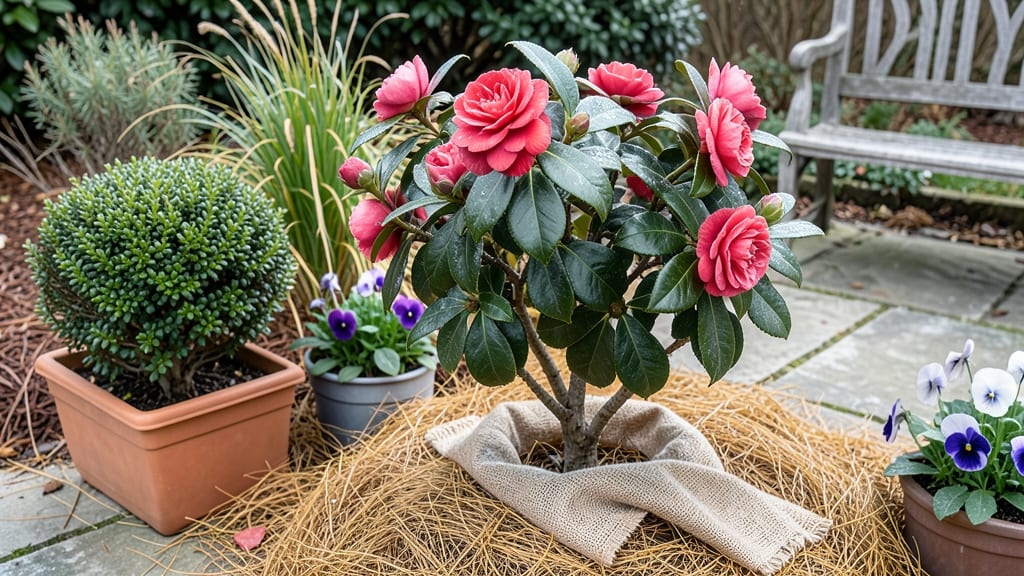
Creating a Georgia winter garden means planting frost-resistant varieties like pansies, kale, and broccoli while using protective covers and raised beds to shield plants from temperatures between 15°F and 30°F.
A successful Georgia winter garden thrives on understanding the state's unique microclimates and frost patterns. 🌱 Unlike northern regions, Georgia's USDA Zones 7-8 allow for extended growing seasons when you choose the right cold-tolerant crops.
For example, collards and carrots not only survive light frosts but actually improve in flavor after a cold snap. The key is timing—planting in late September or early October gives roots and greens enough time to establish before winter sets in.
Raised beds and frost blankets create microclimates that can add 5-10°F of warmth, making it possible to grow herbs like cilantro and parsley that would otherwise bolt in cold weather.
I've found that combining these techniques with proper soil preparation—adding compost to improve drainage and warmth retention—can transform a winter garden from a risky experiment into a reliable harvest source.
The payoff comes in spring when you're harvesting fresh greens while others are still waiting for their summer crops to mature.
💡 In This Article
- Best Cold-Hardy Plants for Georgia Winter Gardens
- Georgia-Specific Winter Gardening Strategies for Year-Round Success
Best cold-hardy plants for Georgia winter gardens
Georgia's winter climate—particularly in USDA Zones 7-8—creates ideal conditions for certain cold-hardy plants to thrive when others would perish. The secret lies in their biological adaptations: many of these vegetables and herbs not only tolerate frost but actually develop sweeter flavors after a cold snap.
For example, collard greens contain higher levels of sugars when exposed to temperatures between 25°F and 32°F, while carrots develop their brightest orange hue and crispest texture when grown through winter.
This is because cold temperatures slow down plant metabolism, causing starches to convert into sugars—a process called "cold hardening."
Let's break down the top performers: leafy greens like spinach and kale can handle down to 15°F when properly protected, while root vegetables such as carrots and beets remain productive even when soil temperatures drop to 35°F.
Herbs like parsley and cilantro are winter survivors too, though they prefer milder conditions (above 28°F) to avoid bolting. 🌿 What makes these plants special is their ability to photosynthesize efficiently in lower light conditions—a crucial advantage during Georgia's shorter winter days.
The key is selecting varieties bred for cold tolerance, such as 'Winterbor' kale or 'Rainbow' carrots, which have been specifically developed to handle Georgia's variable winter weather patterns.
For gardeners, this means you can enjoy fresh greens and roots during the heart of winter when most gardens lie dormant.
I've found that planting a mix of these cold-hardy crops creates a staggered harvest: while kale might take 45-60 days to mature, carrots can be pulled as needed over several months.
This diversity not only extends your harvest season but also provides nutritional variety—something particularly valuable when fresh produce is scarce. The texture of winter-grown greens is often more robust than summer varieties, with collards developing a satisfyingly crisp bite after frost.
There's also the fascinating phenomenon of "winter hardening" in some plants. Take broccoli, for instance: when exposed to temperatures between 35°F and 45°F for several weeks, it actually produces more flavorful buds.
This occurs because the cold triggers the production of glucosinolates—compounds that give cruciferous vegetables their characteristic bitter taste and health benefits. The result is broccoli with a deeper, more complex flavor profile that summer-grown varieties simply can't match.
This biological response is why many gardeners consider winter the best time to grow certain vegetables.
One important consideration is soil preparation. Georgia's winter gardens benefit from well-draining soil amended with compost, which improves both warmth retention and nutrient availability. The organic matter in compost acts like a natural insulator, helping roots maintain more stable temperatures.
I recommend working in 2-3 inches of compost before planting to create the ideal growing environment. This preparation is particularly crucial in Georgia's clay-heavy soils, which can become waterlogged during winter rains and suffocate plant roots.
When selecting plants, pay attention to their growth habits. Fast-maturing varieties like radishes (25 days) provide quick rewards, while slower growers like Brussels sprouts (90 days) need to be planted early enough to mature before the deepest freezes.
The timing of your first frost is critical—Georgia typically sees its first light frost in late November, but this can vary by 2-3 weeks depending on the year. Planting too late risks exposing tender seedlings to damaging cold before they've had a chance to establish strong root systems.