
Vegetables
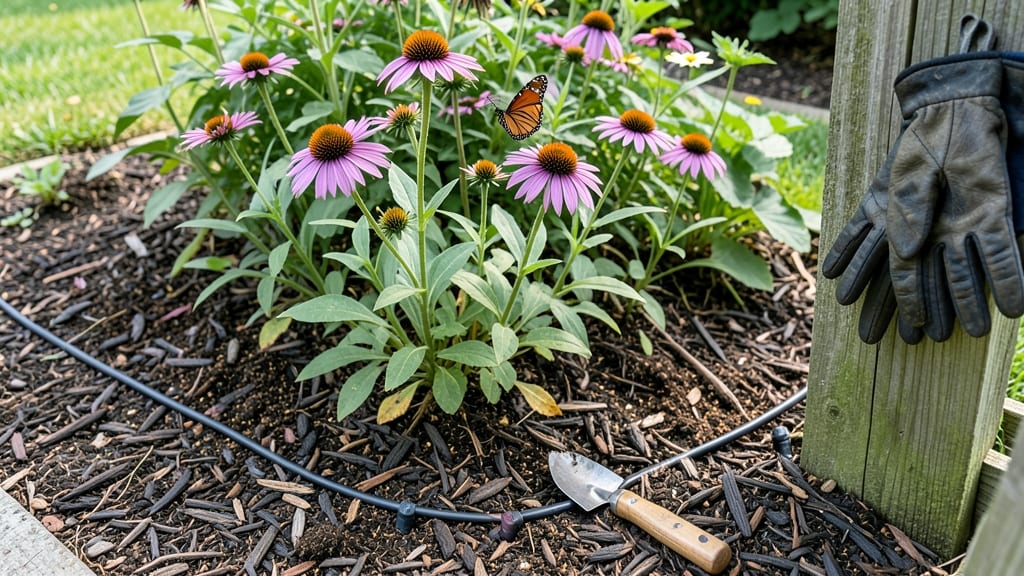
As a green state gardener, growing organic vegetables requires selecting disease-resistant seeds, building nutrient-rich soil with compost, and relying on natural pest defenses like neem oil or companion planting. Consistent crop rotation and organic fertilizers ensure your garden thrives without synthetic chemicals.
This approach isn't just about avoiding pesticides—it's about creating a self-sustaining ecosystem where plants grow stronger naturally. 🌱 Healthy soil acts like a living sponge, holding moisture and nutrients while supporting beneficial microbes that ward off diseases.
I've seen firsthand how a well-maintained organic garden produces vegetables that taste fresher and last longer in storage. The key is patience: organic methods build soil quality over time, but the long-term rewards for both your health and the environment make it worth the effort.
For beginners, start with easy crops like lettuce or beans that tolerate less-than-perfect conditions. These plants give you quick wins while you learn the rhythms of your garden's microclimate.
The beauty of organic gardening is that every season teaches you something new—whether it's which companion plants repel pests or how to time your compost applications for maximum impact.
💡 In This Article
- Natural Soil Enrichment for Organic Vegetable Growth
- Green State Gardener’s Guide to Chemical-Free Pest Control
Natural soil enrichment for organic vegetable growth
Healthy soil isn't just dirt—it's a thriving ecosystem where beneficial microbes, fungi, and earthworms work together to break down organic matter into plant-available nutrients. The key lies in the soil's microbiome balance, which supports root health and disease resistance.
For example, mycorrhizal fungi form symbiotic relationships with plant roots, increasing nutrient uptake by up to 80% while improving drought tolerance. Without this microbial network, plants struggle to access essential minerals like nitrogen and phosphorus, even when synthetic fertilizers are applied.
Organic amendments like compost, worm castings, and mulch act as the foundation for this living soil. Compost, made from decomposed plant matter, adds 1-3% organic matter to soil annually, improving its water-holding capacity by 20-30%.
Worm castings, the nutrient-rich byproduct of vermicomposting, contain 5 times more nitrogen than regular soil and stimulate microbial activity.
Mulch, whether straw or wood chips, regulates soil temperature and suppresses weeds while slowly decomposing to feed the soil ecosystem. 🌱 The texture of well-amended soil becomes crumbly and dark, almost like rich chocolate cake batter—this is your visual cue that the soil is ready for planting.
What most gardeners don't realize is that organic matter doesn't just feed plants—it also detoxifies soil by binding heavy metals and reducing the bioavailability of harmful compounds. For instance, compost can reduce cadmium levels in vegetables by up to 40%, making your homegrown produce safer to eat.
The secret to success is consistency: applying 1-2 inches of compost annually and maintaining a 3-5% organic matter content keeps your soil fertile without relying on chemical inputs.
Seasonal timing matters too. In cooler climates, apply compost in early spring to give microbes time to activate before planting season. In warmer regions, fall applications allow organic matter to break down over winter, providing a nutrient boost when plants need it most.
I've found that adding a 1-inch layer of compost every 3-4 months maintains optimal soil health year-round, reducing the need for additional fertilizers.
For advanced gardeners, consider biochar—a charcoal-like substance made from heated wood or plant waste. When mixed into soil, biochar improves nutrient retention and water storage while creating habitats for beneficial microbes.
Studies show it can increase crop yields by 25-50% in degraded soils. The porous structure of biochar resembles a sponge, holding onto nutrients and releasing them slowly to plants. 💫
To test your soil's health, perform a simple squeeze test: grab a handful of moist soil and press it gently. If it holds its shape but crumbles easily, your soil has ideal structure.
If it feels hard or sticky, it needs more organic matter. This tactile feedback helps you adjust your amendments before planting season begins.
Remember, the goal isn't perfection but progress. Even small improvements in soil health—like adding a 1-inch layer of compost—can transform your garden's productivity over time. The most successful organic gardeners I know treat their soil like a living organism that requires care and attention, not just occasional feeding.