
Advice
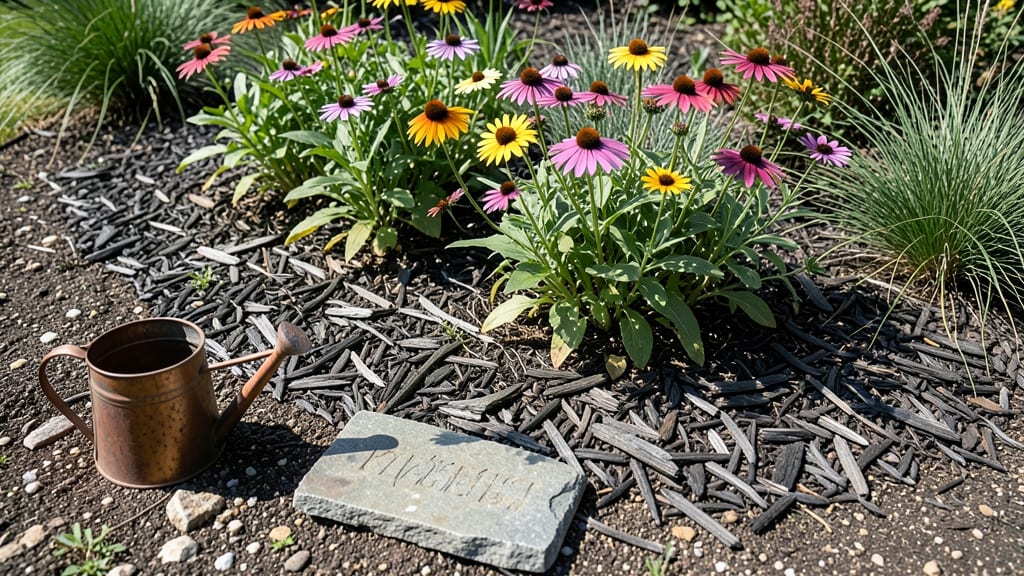
High Country Gardens Nursery offers expertly curated drought-tolerant, native, and ornamental plants perfectly adapted to Colorado’s unique climate zones—from rugged alpine areas to arid high-desert landscapes—with water-efficient selections that thrive at every elevation.
Colorado’s dramatic elevation shifts—from 5,000 to over 14,000 feet—create microclimates where traditional plants struggle. 🌵 High Country Gardens solves this by specializing in cold-hardy perennials that handle freeze-thaw cycles and intense sun exposure.
Their plant catalog includes Penstemon for mountain slopes and Yucca for desert-like conditions, all chosen to minimize irrigation needs while maximizing bloom seasons. The nursery’s zone-specific guides help gardeners match plants to their exact location, whether that’s a Zone 3 backyard or a Zone 7 front yard.
What sets them apart is their focus on low-maintenance beauty. Many plants double as pollinator magnets—like Bee Balm or Lavender—while requiring 30% less water than conventional landscaping. Their seasonal planting calendars even account for Colorado’s unpredictable weather, ensuring new additions establish roots before winter’s first frost.
💡 In This Article
- Colorado’s Climate Zones and Plant Hardiness Matching
- Top High Country Gardens Plants for Colorado Gardens
Colorado’s climate Zones and plant hardiness matching
Colorado’s climate zones range from USDA Zone 3 in the alpine tundra (like the Continental Divide above 10,000 feet) to Zone 7 in the warmer southern plains near 5,000 feet.
These zones dictate how plants survive extreme temperature swings—from -40°F winters in Zone 3 to 90°F+ summers in Zone 7.
High Country Gardens’ plants are selected based on their ability to endure these shifts, with roots systems that can withstand freeze-thaw cycles and foliage that resists intense UV radiation at high altitudes.
The nursery’s cold-hardy perennials like Penstemon and Sedum thrive in Zones 3–5, where winters are harsh but summers are short. These plants use deep taproots to access moisture deep underground, a critical adaptation for Colorado’s dry climate.
In contrast, Yucca and Agave flourish in Zones 5–7, where they benefit from low humidity and minimal rainfall, requiring only occasional watering once established. The key difference lies in their water storage mechanisms: alpine plants store moisture in their roots, while desert-adapted plants store it in their leaves.
Microclimates add another layer of complexity. A south-facing slope in Denver (Zone 5) can be 5–10°F warmer than a north-facing yard, affecting which plants will survive.
High Country Gardens accounts for this by recommending heat-tolerant varieties like Russian Sage for sunny exposures and shade-loving options such as Columbine for cooler, moister areas.
Their zone-specific guides even include altitude adjustments, since plants at 8,000 feet may need 1–2 weeks longer to establish compared to those at 5,000 feet.
Drought resistance is another critical factor. Many High Country Gardens plants have waxy leaf coatings or silvery foliage (like Lamb’s Ear) that reduce water loss through transpiration. These traits allow them to survive on 50% less water than traditional landscaping plants, making them ideal for Colorado’s arid conditions.
The nursery’s water-wise certification ensures every selection meets Colorado WaterWise standards, guaranteeing they’ll thrive with minimal irrigation once established.
Seasonal timing matters too. High Country Gardens recommends planting perennials in early spring or fall to avoid Colorado’s sudden heatwaves or early frosts. For example, Coneflower should be planted 4–6 weeks before the first frost in Zone 4, while Desert Marigold can wait until late spring in Zone 7.
Their planting calendars factor in local weather patterns, ensuring new additions have time to develop root systems before winter dormancy.
What most gardeners don’t realize is how soil type interacts with these zones. High Country Gardens’ plants perform best in well-draining soils, which are common in Colorado’s rocky terrain. They avoid waterlogged conditions by selecting species like Blanket Flower that tolerate poor, sandy soils while still blooming vibrantly.
This adaptability makes their plants ideal for Colorado’s varied landscapes, from clay-heavy valleys to gravelly mountain slopes.