
Light Requirements
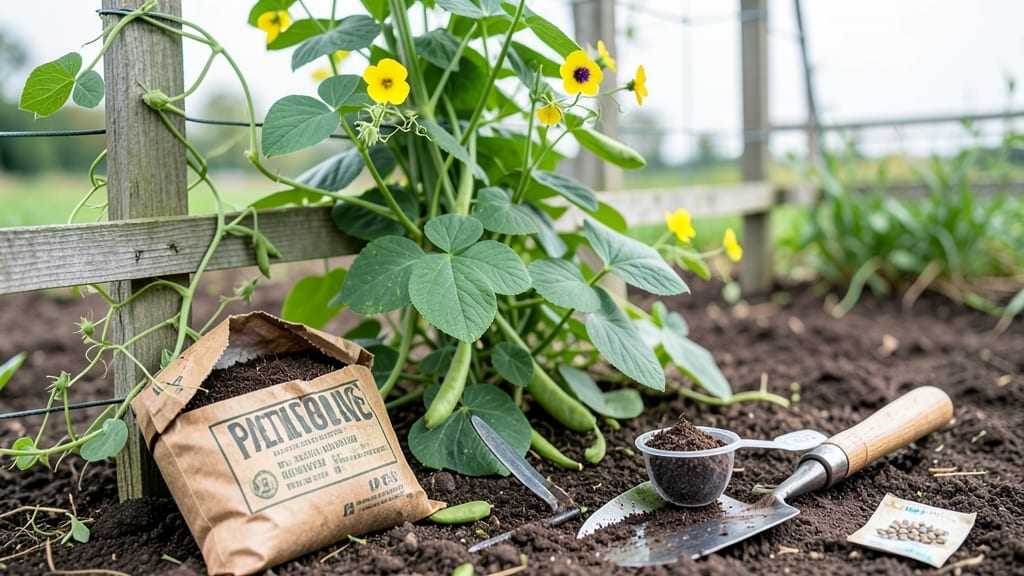
To determine how much peat moss to add to garden soil, use 20-30% by volume for dense clay or sandy soils, while 10-15% works best for loamy soil. Adjust these ratios based on your plants' acidity needs—acid-loving varieties like blueberries may need up to 30%, while vegetables typically thrive with 10-20%. Always mix thoroughly to prevent uneven distribution.
Peat moss isn't just about adjusting soil acidity—it also improves water retention and aeration, which is why gardeners often use it for both sandy and clay-heavy soils. 🌱 The key is balancing the mix: too little won't make a noticeable difference, while too much can suffocate roots by compacting the soil over time.
I recommend testing your soil's pH first (most garden centers offer this service), then adjusting the peat moss ratio accordingly to avoid over-acidifying the mix.
For example, if you're planting blueberries, aim for the higher end of the range (25-30%) since they prefer pH levels between 4.5 and 5.5. On the other hand, vegetables like tomatoes and peppers do well with just 10-15% peat moss, as they thrive in slightly more neutral soil (pH 6.0-7.0).
The secret to long-term success is re-evaluating your soil every 2-3 years, as peat moss breaks down and loses its effectiveness over time.
💡 In This Article
- Peat Moss Soil Amendments: Science of pH and Drainage Adjustments
- Plant-Specific Peat Moss Mixing Ratios for Optimal Growth
Peat moss soil amendments: science of pH and drainage adjustments
Peat moss works as a soil amendment because it's primarily composed of partially decomposed sphagnum moss, which holds up to 20 times its weight in water while still allowing oxygen to reach roots.
This unique structure explains why it's so effective for both sandy soils (which drain too quickly) and clay soils (which compact too easily). The fibrous texture creates tiny air pockets that improve aeration, while its organic matter content gradually breaks down, enriching the soil with nutrients over time.
The pH-lowering effect comes from the high concentration of humic and fulvic acids in peat moss, which can drop soil pH by 1-2 points depending on the initial soil composition.
For instance, adding 30% peat moss to neutral loam (pH 7.0) might bring it down to 5.5-6.0, ideal for acid-loving plants. However, this effect diminishes over 1-3 years as the peat decomposes, which is why regular soil testing is essential for maintaining optimal growing conditions.
Different soil types require varying ratios because their natural structures behave differently when mixed. Sandy soils, with their large particles, need 25-30% peat moss to improve water retention without suffocating roots, while clay soils benefit from 20-25% to prevent compaction.
The key is achieving a balance where the soil holds moisture but doesn't become waterlogged—a squeeze test (if water drips slowly when pressed, it's ideal) helps gauge this balance.
What most gardeners overlook is how peat moss's water-holding capacity changes with temperature. In hot climates, peat can dry out rapidly, requiring more frequent watering, while in cooler regions, it may stay soggy. This is why mixing in 10-15% perlite or compost alongside peat can create a more stable structure.
The decomposition process also releases heat, which can create a "hot spot" in the soil if too much is added at once.
Consider this comparison: A 10-gallon container of pure sand would require 2.5-3 gallons of peat moss to create an optimal growing medium, while the same container of clay soil would need only 2-2.5 gallons.
The difference comes down to how each soil type interacts with the peat's fibrous network—sand needs more to "glue" particles together, while clay needs less to break up its dense structure.
The decomposition rate of peat moss varies dramatically based on soil microbes and environmental conditions. In warm, humid climates, peat can break down in as little as 6-12 months, while in cooler, drier regions, it may last 2-3 years.
This is why experienced gardeners often blend fresh peat moss with composted organic matter to create a more stable, long-lasting amendment.