
Light Requirements
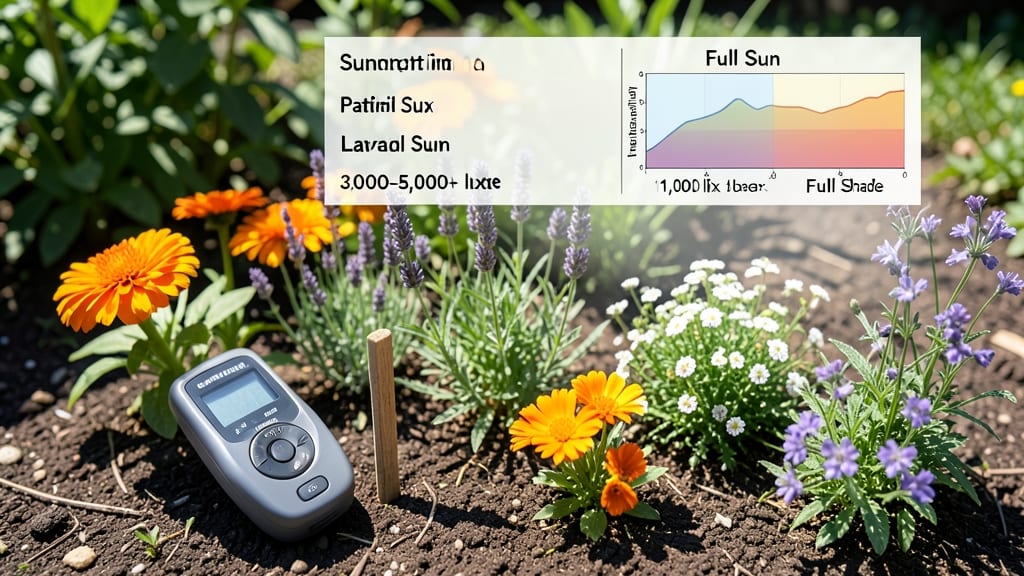
To determine how much sun a garden needs, consider plant types: most vegetables and flowers require 6-8 hours of direct sunlight daily, while shade-loving plants like ferns and hostas thrive with 2-4 hours. Seedlings and tender plants need partial shade until established, and mature trees or shrubs adapt to full sun to partial shade depending on species.
Sunlight is the lifeblood of any garden, but not every plant drinks it up the same way. 🌿 While sun-loving vegetables like tomatoes and peppers bask in 6-8 hours of direct light, delicate perennials such as impatiens or coleus may scorch if exposed too long. The key is matching plant needs to their placement—think of your garden as a layered ecosystem where each species gets its ideal light dose. For example, leafy greens often tolerate partial shade, while fruiting plants demand full sun to ripen properly. Even established perennials might need seasonal adjustments, as summer sun arcs differ from winter's gentler rays.
Pro tip: Observe your garden's microclimates—south-facing beds get more intense light, while north sides stay cooler. Use this natural variation to your advantage by placing sun-hungry plants where they'll thrive without competition.
And remember, too much of a good thing can be harmful—even drought-resistant plants need occasional shade breaks during peak afternoon heat.
💡 In This Article
- Sunlight Requirements by Plant Category: Full Sun vs Partial Shade
- Optimizing Garden Sunlight: Layout Tips for Maximum Yield
Sunlight requirements by plant category: full sun vs partial shade
Photosynthesis is where the magic happens—plants convert sunlight into energy through chlorophyll, but the process varies dramatically between species. Full-sun plants like tomatoes, peppers, and sunflowers need 6-8 hours of direct light daily because their leaves are adapted to maximize energy capture.
These plants have thicker cuticles and deeper root systems to handle intense light and heat. In contrast, shade-tolerant plants like hostas, ferns, and impatiens only require 2-4 hours because their leaves contain more chlorophyll to absorb scattered light efficiently. 🌞
The growth stage also dictates light needs—seedlings are particularly sensitive. Young plants often need partial shade (3-5 hours of direct light) to prevent leaf scorch, as their delicate tissues lack protective pigments. For example, basil seedlings may wilt under full sun but thrive once established.
Even mature plants adjust: oak trees tolerate full sun in their youth but develop thicker bark over time to handle prolonged exposure. This adaptability explains why some gardens thrive in partial shade while others need full sun to reach their potential.
Understanding these differences helps avoid common mistakes. Too little light causes leggy growth (stretched stems seeking more photons), while too much triggers heat stress—visible as yellowing leaves or crispy edges.
For instance, lettuce bolts (goes to seed) when exposed to more than 6 hours of summer sun, while roses may develop powdery mildew if shaded too much. The solution? Group plants by their light needs and rotate containers or use shade cloth for flexibility. 🌱
Herbs offer a fascinating case study—many, like oregano and thyme, thrive in full sun but can handle partial shade, while parsley and cilantro prefer 4-6 hours to avoid bolting. This variability shows how even within a category, light requirements can shift based on species and growing conditions.
The key is observing your plants: if they're stretching toward light or wilting, it's time to adjust their placement or provide supplemental shade.
Seasonal shifts add another layer. In summer, the sun's angle creates longer, more intense light exposure, while winter brings shorter days with softer rays. A plant that thrives in full sun during summer might need only partial shade in winter to maintain health.
This is why many gardeners use seasonal pruning—opening up lower branches in winter to let light reach the ground while providing shade in peak summer months. 🌿
For a concrete example, consider a mixed perennial border: Place black-eyed Susans (full sun) at the front where they'll get morning light, while astilbes (partial shade) thrive behind them, protected from afternoon heat.
This layering mimics natural forest understories, where sunlight filters through canopies in graduated doses. The result? A garden that feels balanced and productive year-round. 🌸