
Vegetables
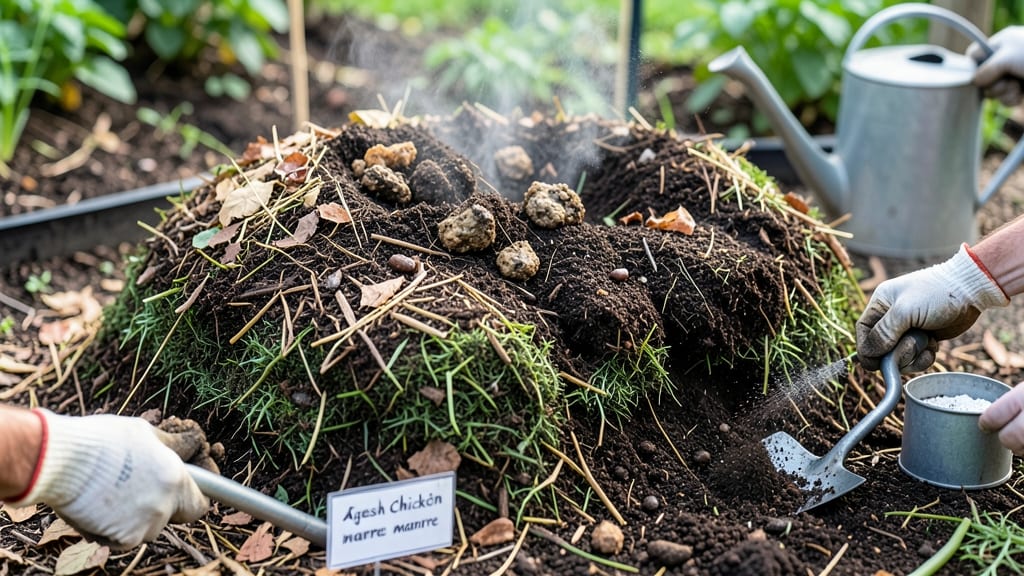
Chicken poop is good for gardens when properly composted, providing essential nitrogen, phosphorus, and potassium, but fresh droppings can harm plants by burning roots or spreading harmful bacteria.
Chicken manure is one of nature's most potent fertilizers, packed with nutrients that promote lush plant growth. 🌱 When composted for at least 6 months, it transforms into a rich, crumbly amendment that improves soil structure while feeding beneficial microbes.
The key is patience—raw manure's high ammonia content can scorch tender roots, so always age it before using near vegetables. I've seen gardens thrive with composted chicken manure, especially for heavy feeders like tomatoes and corn, but always keep it away from direct plant contact.
For best results, mix composted manure into the soil at a ratio of 1 part manure to 3 parts soil. This balances nutrient delivery while preventing over-fertilization. The nitrogen boost encourages vibrant foliage, while phosphorus supports strong root development and flowering.
Just remember: composting isn't just about waiting—turning the pile regularly speeds up decomposition and ensures safer, more effective garden food.
💡 In This Article
- How Chicken Manure Boosts Soil Fertility
- Safe Ways to Use Chicken Manure in Your Garden
How chicken manure boosts soil fertility
Chicken manure delivers a powerful nutrient trifecta with an average analysis of 1.5-2.5% nitrogen (N), 1.5-2.5% phosphorus (P), and 1.0-2.0% potassium (K)—far exceeding most commercial fertilizers. The nitrogen content comes from urea breakdown during composting, which releases ammonia that microbes convert into plant-available nitrate forms.
This process also releases organic acids that help break down soil minerals, making phosphorus and potassium more accessible to roots.
The high carbon-to-nitrogen ratio (about 20:1) initially makes fresh manure too "hot" for plants, but proper composting reduces this ratio to a balanced 15:1, creating a nutrient-rich humus that improves soil structure.
What makes chicken manure particularly valuable is its ability to stimulate microbial activity. The composting process creates a thriving ecosystem of bacteria, fungi, and protozoa that decompose organic matter while producing enzymes that bind soil particles. This creates aggregates (clumps) that improve water retention and aeration—critical for root development.
Studies show composted chicken manure can increase soil organic matter by up to 30% within a season, compared to just 5-10% with synthetic fertilizers. The dark, crumbly texture you'll notice in mature compost is evidence of this improved structure, which also helps prevent soil compaction.
The phosphorus in chicken manure plays a special role in early plant growth, particularly for root development and seed germination. Unlike synthetic phosphorus sources that can become locked in soil, organic phosphorus from manure releases gradually through microbial action.
This creates a "time-release" effect that prevents nutrient spikes that can burn plants. Potassium, meanwhile, helps regulate water movement in plant cells and strengthens cell walls—making plants more resistant to drought and disease. Together, these nutrients create a balanced fertilizer that supports all growth stages, from seedling to fruiting.
One often-overlooked benefit is the presence of micronutrients like calcium, magnesium, and sulfur, which are essential for enzyme function and chlorophyll production. The calcium content helps prevent blossom-end rot in tomatoes and peppers, while magnesium boosts chlorophyll levels for greener foliage.
What's remarkable is how these micronutrients become more bioavailable through the composting process—heat and microbial activity convert them into forms plants can easily absorb. This is why composted chicken manure often outperforms synthetic blends that focus only on N-P-K ratios.
For gardeners concerned about soil health, chicken manure offers another advantage: it improves cation exchange capacity (CEC). This means the soil can better hold onto essential nutrients like calcium, magnesium, and potassium, preventing them from leaching away during rain.
The humic acids produced during composting also help chelate (bind) these nutrients, making them more plant-accessible. In sandy soils, this can mean the difference between nutrients washing away and staying available for weeks. The result? Plants that grow stronger with deeper roots and better resistance to environmental stresses.
Visualize this process: when you add composted chicken manure to your garden, you're not just adding nutrients—you're creating a living soil ecosystem. The dark, earthy aroma you'll notice is a sign of active microbial life at work, breaking down organic matter and cycling nutrients in a continuous cycle.
This biological activity is what transforms barren soil into a fertile growing medium capable of supporting vigorous plant growth year after year. 🌿