
Tools
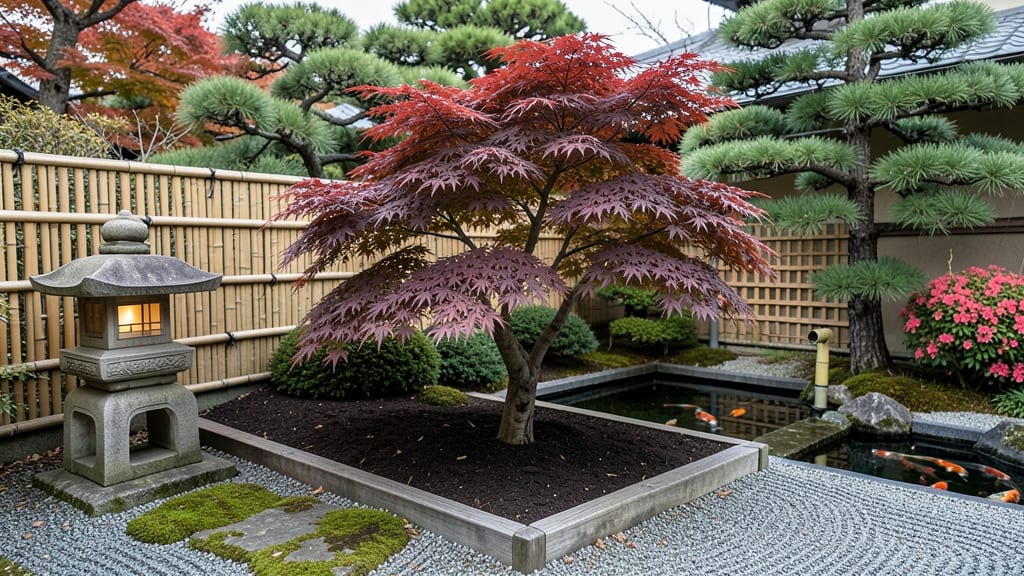
A Japanese garden in Los Angeles creates tranquil havens by harmonizing classic Zen elements with Southern California's dry climate, showcasing koi ponds, weathered stone pathways, and carefully curated plantings like flowering cherries and drought-resistant junipers.
A Japanese garden in Los Angeles thrives by adapting traditional elements to local conditions. 🌿 The arid climate demands creative solutions like drought-tolerant plants and recirculating water features, while maintaining the essence of Japanese design through carefully placed rocks and gravel patterns.
Many gardens incorporate native California species alongside classic Japanese plants, creating a unique fusion that feels both authentic and perfectly suited to the region.
The Huntington Library's garden, for example, blends Japanese maples with Southern California's native flora, while Descanso's retreat emphasizes bamboo groves that thrive in the mild coastal climate.
These gardens aren't just beautiful landscapes—they're carefully designed to evoke specific moods. The strategic placement of elements like lanterns and bridges creates paths that guide visitors through different emotional experiences, from peaceful reflection to moments of quiet contemplation.
What makes LA's Japanese gardens particularly special is how they balance cultural tradition with modern sustainability practices, making them both educational and deeply relaxing spaces.
💡 In This Article
- Design Principles Behind LA’s Japanese Gardens
- Best Japanese Gardens in LA for Plant Enthusiasts
Design principles behind LA’s Japanese gardens
LA’s Japanese gardens masterfully blend wabi-sabi (finding beauty in imperfection) with California’s arid conditions by using weathered stones and gravel that mimic natural erosion patterns.
The shakkei (borrowed scenery) technique creates illusions of vast landscapes by framing distant mountain views through carefully placed trees—something especially effective in LA’s hilly terrain. 🌄 This approach transforms small spaces into expansive visual experiences, making even urban gardens feel like remote retreats.
Water management is a critical innovation here. Traditional Japanese gardens rely on flowing streams, but LA’s drought-prone climate demands recirculating systems where water flows continuously without waste.
The Huntington’s Japanese Garden uses a 3,000-gallon pond that recycles water through filtration systems, while Descanso’s garden incorporates dry stream beds that guide visitors visually without water consumption. These adaptations preserve the essence of water’s symbolic purity while being environmentally responsible.
The plant selection is where cultural authenticity meets local practicality. Classic Japanese species like maples (Acer palmatum) and azaleas (Rhododendron) thrive alongside California natives such as toyons (Heteromeles arbutifolia) and coyote brush (Baccharis pilularis).
This fusion creates year-round interest: maples burst with autumn colors, azaleas bloom in spring, and native plants provide seasonal texture without demanding extra water. The result is a garden that feels both traditional and perfectly suited to its environment.
Pathways play a crucial role in guiding visitors through these spaces. Unlike straight European-style paths, Japanese gardens use winding gravel paths that create moments of discovery and reflection.
At the Huntington, for example, the 1,200-foot-long gravel path meanders through different garden sections, encouraging visitors to pause and observe details like moss-covered rocks or carefully pruned bonsai trees. This design principle enhances the meditative experience central to Japanese garden philosophy.
Lighting and seasonality are often overlooked but vital elements. Many LA gardens incorporate stone lanterns (tōrō) that cast warm light on pathways at dusk, while seasonal plantings ensure year-round visual interest.
The Huntington’s garden, for instance, features camellias that bloom from winter to spring, providing vibrant color during LA’s cooler months. These thoughtful details make each visit feel like a new discovery, regardless of when you arrive.
What makes these gardens truly special is how they preserve cultural authenticity while adapting to modern needs. The use of recycled water, native plant pairings, and sustainable materials demonstrates that traditional Japanese aesthetics can coexist with contemporary environmental concerns.
This fusion creates spaces that are not just beautiful but also deeply meaningful and responsible. 🌿