
Tools
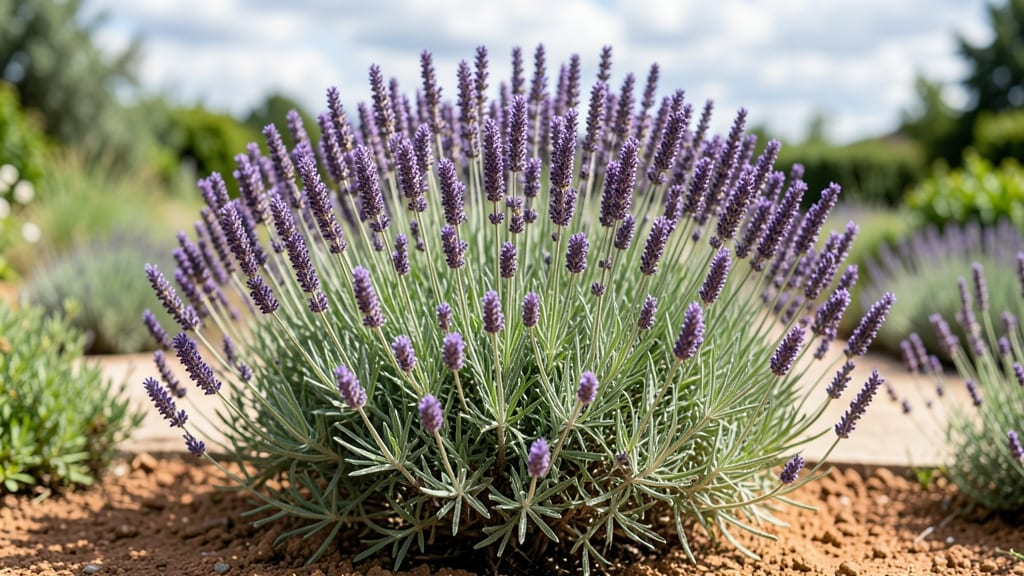
Planting lavender in a vegetable garden naturally deters pests like aphids and moths while drawing in pollinators and enriching soil with its fragrant roots. This hardy perennial thrives in dry, sandy soil and requires minimal upkeep, making it an ideal companion for herbs and vegetables.
Lavender's secret weapon is its natural oils—like linalool and linalyl acetate—which create a scent barrier that pests can't stand. 🌿 These compounds also make your garden more inviting to bees and butterflies, boosting your vegetable yields.
Plus, lavender's deep roots break up compacted soil while suppressing weeds, creating a self-sustaining ecosystem that needs little extra water once established.
For best results, choose compact varieties like 'Munstead' or 'Grosso' that stay under 2 feet tall—they won't overshadow your veggies. Plant them near tomatoes, peppers, or basil, where their pest-repelling powers shine brightest.
Just give them full sun and well-drained soil, and they'll reward you with beauty and function for years.
💡 In This Article
- How Lavender Boosts Vegetable Garden Ecosystems
- Best Lavender Varieties and Planting Strategies for Gardens
How lavender boosts vegetable garden ecosystems
The real magic of lavender lies in its chemical composition—specifically, the essential oils like linalool and linalyl acetate, which create a natural pest deterrent. These compounds disrupt the olfactory systems of insects like aphids and moths, making your veggies less appealing.
Studies show that lavender's scent can repel up to 90% of cabbage moths when planted nearby, reducing the need for chemical sprays entirely. 🌿 The oils also have mild antibacterial properties, creating an inhospitable environment for fungal diseases that plague tomatoes and peppers.
But lavender doesn't just push pests away—it actively invites beneficial pollinators. Bees and butterflies are drawn to its purple-blue flowers, which bloom from early summer to fall.
A single lavender plant can attract 20-30% more bees to your garden than open space alone, directly boosting fruit set in vegetables like cucumbers and squash. The flowers' nectar is particularly rich in sugars, making them a favorite among pollinators.
What's more, the plant's vertical structure provides shelter for beneficial insects during harsh weather, creating a mini ecosystem that thrives year-round.
Beneath the surface, lavender's roots work wonders for soil health. Its deep taproots (reaching 3-5 feet down) break up compacted soil while promoting mycorrhizal fungi—symbiotic organisms that enhance nutrient uptake for your vegetables. The aromatic roots also suppress weeds by outcompeting shallow-rooted plants for sunlight and water.
Unlike many garden plants, lavender actually improves soil structure over time, making it ideal for sandy or poor-quality soils where vegetables often struggle. This makes it a perfect companion for herbs like rosemary and thyme, which share similar growing conditions.
One of lavender's most underrated benefits is its drought tolerance. Once established, it requires only 1 inch of water per week—far less than most vegetables.
This means you can place it strategically near thirsty plants like peppers or eggplants, using its deep roots to access moisture from lower soil layers. The plant's silver-gray foliage also reflects sunlight, reducing soil evaporation and keeping roots cooler during hot summer days.
This dual benefit makes lavender a smart choice for water-conscious gardeners.
For maximum impact, plant lavender in clusters of 3-5 plants near your vegetable beds. The combined scent creates a stronger pest barrier, while the visual appeal adds to your garden's aesthetic.
Just avoid planting it too close to heavy feeders like corn or potatoes, as lavender prefers lean soil and won't compete well for nutrients. The key is balance—position it where its benefits outweigh its space requirements, typically 18-24 inches away from vegetable plants. 🌱
What most gardeners don't realize is how lavender's lifecycle complements vegetables. While your tomatoes and peppers produce summer-long, lavender's late-summer to fall blooming period provides pollinators with a crucial food source when other flowers have faded. This extended support translates to better yields in your fall harvest.
The plant's evergreen nature also means it continues providing pest protection through winter, making it one of the most versatile companions you can add to your garden.