
Vegetables
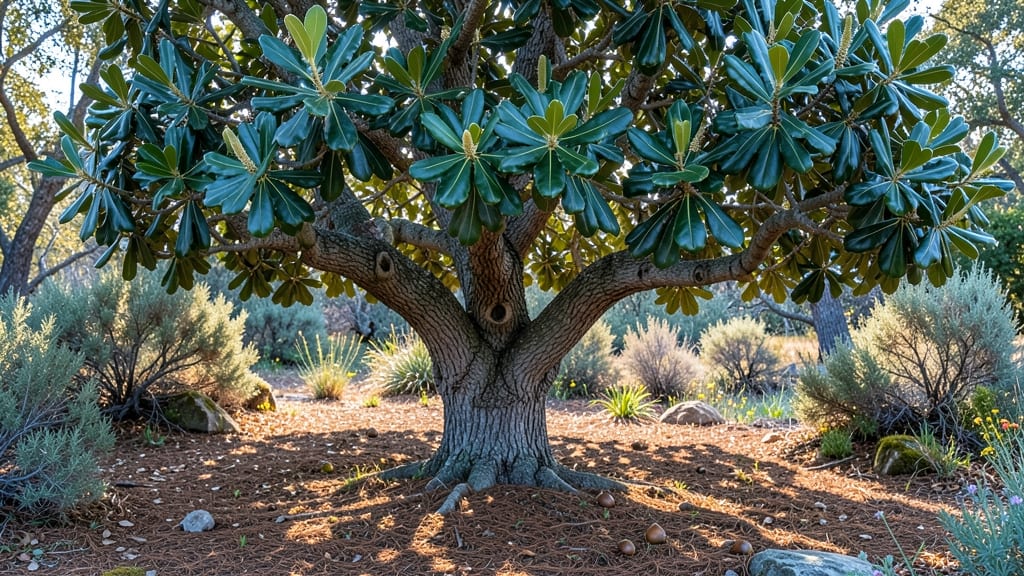
Mendocino County botanical gardens feature rare native plants, coastal redwood groves, and drought-tolerant species like California buckwheat and manzanita, providing peaceful trails for nature lovers exploring Northern California's unique ecosystems.
These gardens are a haven for biodiversity, where you'll find species adapted to Mendocino's foggy coastal climate and inland microclimates. 🌿 The redwood forests here support endangered plant life, while the drought-resistant flora thrives in the region's seasonal rainfall patterns.
Many of these gardens also serve as living laboratories for conservation efforts, protecting native species that might otherwise disappear from habitat loss.
What makes these botanical gardens special is their focus on ecological education—visitors can learn about plant adaptations while walking through serene trails that showcase California's natural beauty.
Whether you're a plant enthusiast or simply looking for a peaceful outdoor experience, these gardens offer something truly unique to Northern California's landscape.
💡 In This Article
- Unique Plant Species Found in Mendocino Botanical Gardens
- Best Hidden Trails for Exploring Mendocino’s Botanical Diversity
Unique plant species found in Mendocino botanical gardens
The coastal scrub ecosystem thrives here thanks to Mendocino's maritime influence, where plants like coastal woodfern (Dryopteris arguta) and California buckwheat (Eriogonum fasciculatum) have evolved to survive in nutrient-poor, foggy conditions.
These species exhibit remarkable adaptations: their waxy leaves reduce water loss, while deep root systems tap into shallow groundwater tables. The woodfern, for instance, can grow in both sun and shade, making it a resilient indicator of healthy coastal ecosystems. 🌿
Redwood forests host endangered species like the Mendocino cypress (Hesperocyparis macrocarpa), one of the rarest conifers in the world, with fewer than 50 mature trees remaining in the wild. This species thrives in the foggy coastal belt where temperatures rarely exceed 70°F and humidity stays near 90%.
Its thick, scale-like leaves minimize water evaporation, while its shallow but extensive root system competes effectively for limited nutrients in the acidic redwood soil. Conservationists monitor these trees closely due to their sensitivity to climate shifts.
Drought-resistant flora like manzanita (Arctostaphylos spp.) dominates the inland slopes, where summer temperatures can reach 95°F and rainfall drops below 15 inches annually. These plants produce leathery leaves with sunken stomata to conserve moisture, and their bright red bark insulates roots against temperature extremes.
The whiteleaf manzanita (Arctostaphylos viscida) even secretes a sticky resin that deters herbivores while reflecting sunlight. 💛 Their berries provide critical food for wildlife during dry seasons, demonstrating their ecological importance.
Seasonal blooms create a dynamic landscape: wild lilacs (Ceanothus spp.) explode with purple flowers in spring, while coastal strawberry (Fragaria chiloensis) carpets the forest floor in summer.
These plants rely on specific pollinators like hummingbirds and native bees, creating delicate food webs that botanists study to understand ecosystem resilience. The gardens' microclimates—from foggy coastlines to sun-drenched ridges—allow these species to coexist in ways rarely seen elsewhere.
Conservation efforts focus on protecting these species through controlled burns and seed banking. For example, the Mendocino Coast Botanical Gardens maintains a living collection of rare ferns where spores are harvested and stored at 32°F to preserve genetic diversity.
Visitors often ask how they can help—simply by supporting these gardens, you contribute to preserving California's botanical heritage for future generations. ✨
What's particularly fascinating is how these plants interact with their environment. Take the coastal scrub jay, which relies on manzanita berries for survival. When these birds disperse seeds through their droppings, they inadvertently help propagate drought-resistant species across the landscape.
This symbiotic relationship highlights why protecting these gardens isn't just about preserving plants—it's about maintaining entire ecosystems. 🌱