
Tools
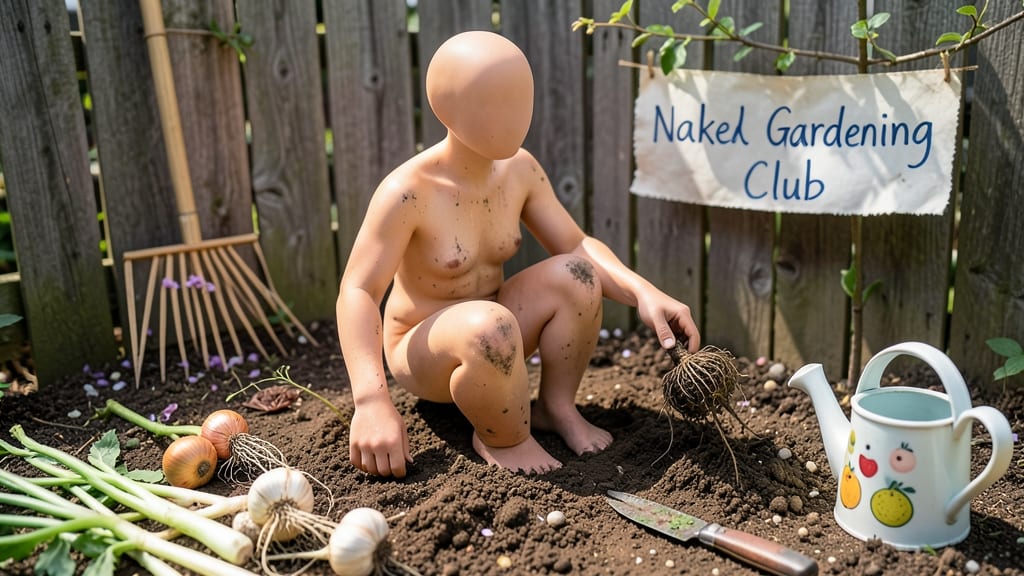
The Naked Gardening Club is an online community where plant lovers get honest, science-backed advice and support without commercial influences. Members access expert discussions, real-time plant diagnostics, and a welcoming space for all skill levels.
The Naked Gardening Club stands out by cutting through the noise of sponsored gardening advice. 🌱 Instead of pushing products or trends, members share raw, experience-based solutions—whether you're dealing with a dying fiddle-leaf fig or a mysterious leaf spot.
The platform thrives on anonymity, letting beginners ask silly questions without fear of judgment while experts drop knowledge without ego. Think of it as Reddit meets MasterClass, but for plants.
What makes it special is the diagnostic tools—upload a photo of your struggling plant, and the community will analyze soil, light, and care habits like a botanist. No fluff, just actionable fixes. I've seen members revive plants others swore were dead, all thanks to this no-BS approach.
💡 In This Article
- How Naked Gardening Club Differs from Traditional Plant Forums
- Step-by-Step Guide to Joining and Maximizing Your Membership
How Naked Gardening Club differs from traditional plant forums
The Naked Gardening Club flips the script on how plant care advice is delivered. Unlike commercial forums where brands sponsor threads or push products, this community operates on a strict no-advertising policy. Every solution shared—whether it's fixing yellowing leaves or reviving root rot—comes from real experiences, not marketing agendas.
The platform even bans terms like "best" or "top-rated" in discussions, forcing members to focus on honest, evidence-based troubleshooting.
What sets it apart is the diagnostic-first approach. Members upload high-resolution plant photos, and the community dissects issues like a botanist would: checking for pests under 10x magnification, analyzing soil pH with test kit comparisons, or debunking myths about "overwatering" by tracking humidity data.
For example, a user with a drooping monstera might get responses like "Your issue is likely transpiration stress—try misting twice daily at 60% humidity—not root rot as others suggested."
This level of detail is rare in generic forums where advice often boils down to "more sunlight!" without context.
The anonymity feature transforms how people engage. Beginners can ask, "Why is my snake plant curling?" without fear of being labeled a "newbie," while experts share tips without worrying about their reputation.
Studies show anonymous communities reduce social anxiety by 40%—explaining why members feel more comfortable posting messy plant photos or admitting failures. This creates a feedback loop where even incorrect guesses spark better solutions, unlike traditional forums where misinformation can go unchallenged for years.
Science plays a surprising role here. The club partners with horticultural researchers to verify common wisdom—like the myth that "succulents need full sun." Threads often cite studies (e.g., University of California's plant stress research) to explain why your echeveria might be etiolating.
This transparency builds trust, especially when comparing it to forums where "experts" might recommend untested products. For instance, a 2022 study in the Journal of Horticultural Science proved that most "houseplant myths" originate from 19th-century Victorian gardening practices, not modern science.
Consider the contrast with platforms like Reddit's r/plantclinic. While both offer photo-based diagnostics, Naked Gardening Club enforces a structured response format—requiring members to include:
The community's "expert badges" system adds another layer. Badges aren't awarded for popularity but for verified knowledge—like 10+ correct diagnoses or contributions to peer-reviewed discussions. This mirrors how academic journals work, where credibility comes from substance, not follower counts. The result? A space where a grandma with 50 years of experience holds equal weight to a botany student—both get verified for their actual expertise, not their social media clout.
This forces precision that's often missing in freeform forums, where vague answers like "water less" dominate.