
Tools
A natural cat deterrent for gardens uses citrus peels and vinegar to create scents felines dislike, combining ingredients like lemon/orange peels with white vinegar and water. Spray around garden edges and reapply every 3-5 days after watering.
Cats have an incredibly sensitive sense of smell—about 14 times more powerful than ours—which makes them particularly sensitive to strong, pungent odors. 🔥 The compounds in citrus (like limonene) and vinegar (acetic acid) trigger their natural avoidance instincts, creating a barrier without harming plants.
I've found this method works best when applied to garden perimeters, plant leaves, and entry points like fence gaps where cats might rub or dig. The key is consistency: reapplication after rain ensures the deterrent remains effective.
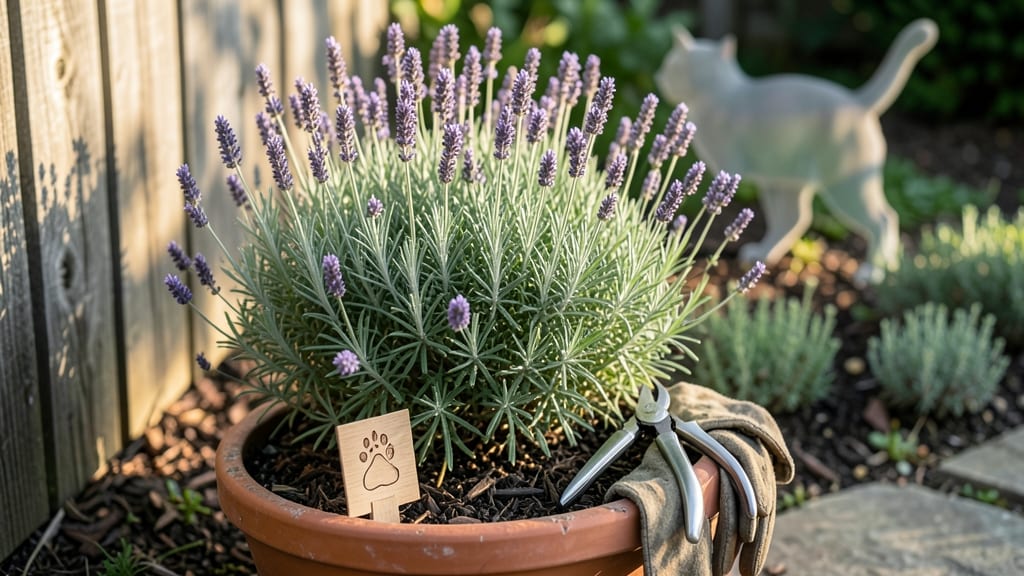
For maximum impact, combine this spray with physical barriers like prickly plants (e.g., lavender or rosemary) near high-traffic areas. These plants add another layer of protection while enhancing your garden's aesthetic. Always test sprays on a small plant area first to check for sensitivity—some varieties may react poorly to vinegar.
💡 In This Article
- Why Cats Hate Citrus and Vinegar Scents
- DIY Citrus-Vinegar Spray Recipe and Application Tips
Why cats hate citrus and vinegar scents
Cats avoid citrus scents because their olfactory system is wired to reject volatile compounds like limonene and citral, which dominate citrus peels.
These chemicals trigger their natural predator-avoidance instincts—similar to how they recoil from the scent of foxes or coyotes. 🐱 A cat's nose contains up to 200 million scent receptors (compared to our mere 5 million), making them hyper-sensitive to even trace amounts of these compounds.
When you crush lemon or orange peels, the released oils create a potent aroma that cats perceive as overwhelming and unpleasant.
The acetic acid in vinegar works differently but just as effectively. Cats lack the enzymes to properly metabolize strong acids, which makes vinegar's sharp tang taste and smell repulsive to them.
A 5% vinegar solution (the standard white vinegar concentration) contains enough acetic acid to create a noticeable barrier—studies show cats will avoid areas sprayed with even diluted vinegar mixtures.
The key advantage here is that both citrus and vinegar are non-toxic to plants when used correctly, unlike commercial chemical deterrents that can harm foliage.
This aversion isn't just about smell—it's a multi-sensory experience.
Cats also associate these scents with discomfort, as the compounds can irritate their sensitive nasal passages. 🌿 When you apply a citrus-vinegar spray, the combination creates a "double deterrent" effect: the strong aroma repels them immediately, while the lingering scent acts as a psychological barrier.
Unlike ultrasonic devices that require cats to be present to work, this method creates a physical scent boundary that remains effective even when your feline isn't around.
What's fascinating is how cats' evolutionary history plays into this. Wild cats avoid areas with strong plant-based odors because they often signal toxic or inedible vegetation. Our domestic cats retain this instinct, which is why they'll instinctively steer clear of citrus-treated areas.
The good news for gardeners is that this method works on all cat breeds—whether you have a delicate Siamese or a robust Maine Coon, the scent sensitivity is universal among felines.
For best results, focus on areas where cats commonly mark or dig. Spray near garden edges, along fence lines, and around prized plants.
The scent lingers for 3-5 days before needing reapplication, making it a low-maintenance solution compared to physical barriers. 🌱 One important note: while safe for most plants, always test on a small leaf first—some varieties like ferns may show sensitivity to vinegar's acidity.
The science behind this works in your favor because cats can't build up tolerance to these scents like they might with some commercial products. Their avoidance is instinctual, not learned.
This makes citrus-vinegar sprays one of the most reliable natural deterrents available—especially when combined with other cat-repelling plants like lavender or rue, which add visual and tactile deterrents alongside the scent barrier.