
Tools
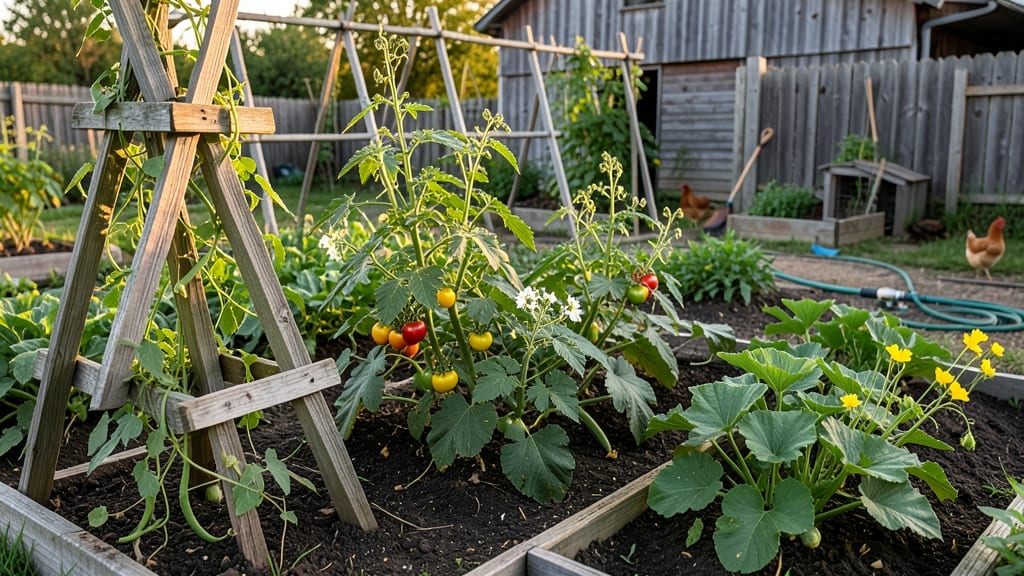
For a thriving NH farm and garden, prioritize frost-tolerant plants that handle the state's USDA zones 4-6, including hardy vegetables like kale and potatoes, along with evergreens and perennials that withstand variable weather and short growing seasons.
New Hampshire’s climate—with its cold winters, short growing season, and unpredictable spring frosts—demands smart plant selection. 🌱 The key is choosing varieties that not only survive but thrive in these conditions, such as Brussels sprouts (which actually sweeten in cold weather) and apple trees (many of which are bred for NH’s harsh winters).
Native plants like black-eyed Susans and coneflowers also require minimal care while adding beauty and supporting local pollinators.
Beyond cold tolerance, soil quality and sun exposure play critical roles. NH’s rocky terrain often means amending soil with compost to improve drainage, while microclimates near lakes or rivers can extend the growing season by a few weeks.
I always recommend testing soil pH—especially for acid-loving plants like blueberries—and grouping plants with similar needs together for easier maintenance.
💡 In This Article
- New Hampshire’s Growing Zones and Microclimates
- Top Cold-Resistant Crops and Ornamentals for NH Gardens
New Hampshire’s growing zones and microclimates
New Hampshire spans USDA hardiness zones 4-6, with most of the state falling into zones 4b-5b. This means winter temperatures can drop to -20°F to -10°F, while summers rarely exceed 85°F.
The White Mountains push into zone 4a, where temperatures can hit -30°F, while coastal areas near Portsmouth hover around zone 6a. Understanding these zones helps you select plants that won’t succumb to late spring frosts or early autumn chills.
Elevation plays a critical role in microclimates. For every 1,000 feet gained, temperatures drop by about 3.5°F. This is why gardens in the Monadnock region (zone 5a) may experience frost up to 2 weeks later than those in the Seacoast region (zone 6a).
Proximity to water also matters—lakes and rivers create milder microclimates by moderating temperatures. For example, plants near Lake Winnipesaukee can tolerate slightly warmer conditions than those inland.
Frost dates are another key factor. In most of NH, the last spring frost typically occurs around May 15, while the first fall frost arrives by September 20.
This 120-140 day growing season is perfect for fast-maturing crops like radishes (30 days) and bush beans (60 days), but too short for heat-loving tomatoes unless you extend the season with row covers. Native plants like serviceberry and wild bergamot have adapted to these conditions, thriving with minimal intervention.
Soil type varies dramatically across NH, from sandy coastal soils to rocky, well-drained uplands. The state’s granite bedrock means many areas have poor natural fertility, so amending soil with compost or aged manure is essential.
Acid-loving plants like blueberries (which prefer pH 4.5-5.5) and rhubarb (which tolerates pH 5.5-6.5) will struggle in alkaline soils common in the Dartmouth College Farm region. Testing soil pH before planting can save you from failed harvests.
Wind exposure is often underestimated. NH’s prevailing westerly winds can dry out plants and stunt growth, especially in exposed areas. Windbreaks—like evergreen hedges or arborvitae trees—can create sheltered microclimates where delicate plants like strawberries or spinach thrive.
I’ve seen gardens near Mount Washington use rock walls to deflect wind, creating pockets where even tender herbs like basil survive a few extra weeks.
Finally, consider the 1000-chill hour requirement for many fruit trees. NH’s climate provides enough winter chill for apple and pear varieties like Honeycrisp (which needs 600-800 hours below 45°F), but not for southern varieties like Navel oranges.
This is why local nurseries often recommend NH-specific cultivars that align with the state’s climate patterns.