
Planting
Ohio’s gardening zones span USDA Zones 5a through 6b, with most regions—especially central and southern Ohio—landing in Zones 5b and 6a. Localized conditions like city heat or sheltered valleys can shift plant survivability by up to one full zone, so always check your specific microclimate before planting.
Understanding Ohio’s gardening zones is all about balancing the big-picture USDA map with your backyard’s unique conditions. 🌱 While the state’s official range gives you a starting point, factors like elevation (higher = colder), proximity to Lake Erie (moderating temperatures), or even pavement in urban areas (trapping heat) can create pockets where Zone 5b plants thrive alongside Zone 6a varieties.
For example, Cincinnati’s downtown might support Zone 6a perennials, while nearby rural areas could still experience Zone 5b winters. I always recommend using the USDA Interactive Map and comparing it with local weather station data for the most accurate picture.
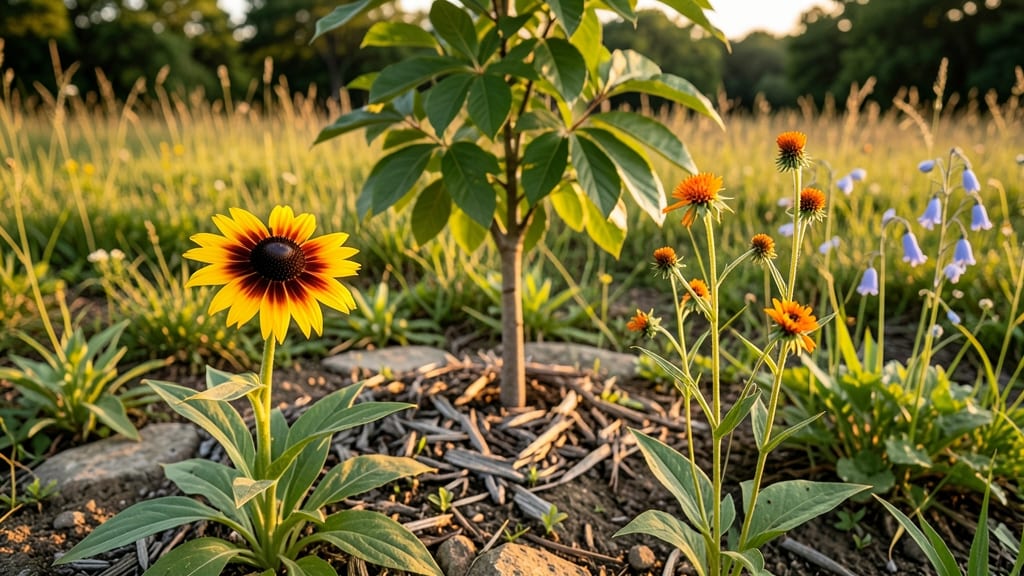
This zone variability is why Ohio gardeners often play it safe with cold-hardy plants like daylilies or black-eyed Susans, which handle the full 5a–6b range.
But if you’re pushing boundaries—like growing tender annuals in Zone 6a—watch for those late spring frosts that can sneak in even after the calendar says "safe." Starting seeds indoors or using row covers can give you that extra edge when working near zone boundaries.
💡 In This Article
- USDA Plant Hardiness Zones in Ohio: Exact Boundaries and Variations
- Adjusting Planting for Ohio’s Microclimates: Tips for Urban vs. Rural Gardens
USDA plant hardiness zones in Ohio: exact boundaries and variations
The USDA divides Ohio into Zones 5a through 6b, but the transition isn’t uniform. Northern counties like Ashtabula and Trumbull sit firmly in Zone 5a, where average annual minimum temperatures dip to -20°F to -15°F.
In contrast, southern regions like Hamilton and Clermont County reach Zone 6a, with winters rarely dropping below 0°F to -5°F. This 1.5-zone difference reflects Ohio’s geography—Appalachian foothills in the east create colder microclimates, while the Ohio River Valley traps heat, mimicking Zone 6b in spots. 🌡️
Elevation plays a surprising role: for every 1,000-foot increase, temperatures drop about 3.5°F. That’s why Hocking Hills’ 1,500-foot elevation feels like Zone 5b, even though it’s geographically closer to Columbus (Zone 6a).
Lake Erie’s moderating effect extends inland up to 20 miles, creating a 3–5°F warmer buffer along its shores.
Meanwhile, urban areas like Cleveland and Columbus experience the "heat island" effect, where pavement and buildings raise summer temps by 5–10°F, potentially pushing Zone 5b gardens to behave like Zone 6a for heat-loving plants.
County-level variations matter for gardeners. For example, Franklin County (Columbus) straddles Zones 5b and 6a, with northern suburbs leaning colder. The USDA’s 2012 zone map (the most recent) shows this boundary as a jagged line—proof that Ohio’s zones aren’t straight.
To pinpoint your exact zone, overlay your address with the USDA Interactive Map and cross-reference with 10-year weather averages from your local NOAA station. A 5°F discrepancy can mean the difference between a thriving peony (Zone 3) and a frozen one.
What most gardeners overlook is how wind exposure and soil type amplify zone differences.
A sheltered south-facing slope in Zone 5b might support Zone 6a plants like butterfly bush, while a windy ridge could push it back to Zone 5a. Clay soils in northern Ohio retain cold longer, delaying spring planting by 2–3 weeks compared to sandy loam in southern regions.
These factors explain why a Zone 5b plant might survive in one backyard but fail 50 feet away—microclimates are that precise. 🌿
For cold-hardy plants, Ohio’s zone spread creates opportunities. Zone 5a natives like serviceberry or wild columbine thrive statewide, while Zone 6b tender perennials (e.g., Russian sage) succeed only in southern Ohio’s urban heat islands.
The key is matching plant hardiness ratings to your localized lowest winter temp, not just the county average. For instance, a Zone 6a plant with a -5°F tolerance might survive in Columbus but fail in a colder microclimate just 15 miles north.
Pro tip: Use the "modified zone" method for edge cases. If your yard sits on the border between 5b and 6a, test plants in containers first—they’re easier to move if frost hits. For example, hydrangeas (Zone 4) often survive in Zone 5b gardens but need winter mulch.
The Ohio State University Extension offers county-specific planting calendars that account for these nuances, including last frost dates that vary by 1–2 weeks across the state.
Remember: zones are guidelines, not rules. Ohio’s dynamic climate means your microclimate could be half a zone warmer or colder than the map suggests. The best gardeners treat zones as a starting point, then observe their own yard’s patterns for 3–5 years to refine their approach.
That’s how you turn Ohio’s zone complexity into a gardening advantage. ✨