
Landscaping
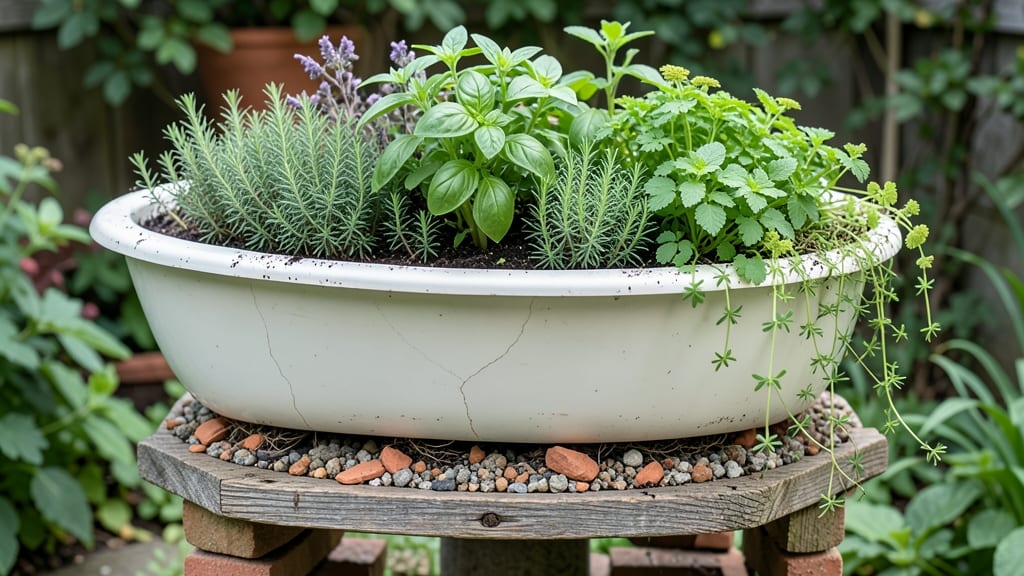
Old bathtub garden ideas transform vintage tubs into chic, vertical planters for growing herbs, succulents, or vegetables—ideal for small spaces like balconies or patios. Drill drainage holes, add a layer of landscape fabric, fill with well-draining soil, and paint the exterior for a polished look.
Old bathtubs make unexpected yet brilliant garden planters because they're durable, weather-resistant, and often already have built-in depth for root growth. 🌱 The key is balancing aesthetics with function—choose lightweight plants like herbs or shallow-rooted veggies (like lettuce or radishes) to avoid overloading the tub.
For extra stability, place the tub on a sturdy stand or fill it with rocks at the bottom before adding soil. I've seen these planters styled with mosaic tiles, stenciled patterns, or even repurposed faucets as decorative accents, turning them into statement pieces that elevate any outdoor space.
What sets these gardens apart is their versatility. You can mount them vertically on walls, nest them on patios, or even create tiered displays by stacking smaller tubs. Just remember to group plants with similar water needs together—succulents thrive in drier conditions while herbs like basil prefer slightly more moisture.
The best part? This project is budget-friendly and eco-conscious, giving old fixtures a second life while adding greenery to urban or cramped yards.
💡 In This Article
- How to Convert a Bathtub into a Functional Garden Planter
- Best Plants for Bathtub Gardens and Creative Design Tips
How to convert a bathtub into a functional garden planter
Transforming a bathtub into a garden planter starts with drainage—the single most critical factor for preventing root rot. Begin by drilling ¼-inch holes along the bottom and sides (about 1 inch apart) using a power drill with a metal bit.
For extra stability, place the tub on a 2-inch layer of pebbles or broken pottery before adding soil, which also improves drainage. If your tub has a built-in drain, cover it with a mesh screen to keep soil in while allowing water to escape. 🌿
The soil choice depends on what you're growing: herbs thrive in well-draining potting mix with 20% perlite or vermiculite, while succulents need a cactus/succulent blend with 50% coarse sand. For vegetables like lettuce or radishes, mix equal parts potting soil and compost.
Avoid garden soil—it compacts and suffocates roots in a confined space. Pro tip: Add a 1-inch layer of landscape fabric over the drainage layer to prevent soil from clogging the holes.
Structural reinforcement is key, especially for heavy tubs. If your tub weighs over 50 pounds when filled, place it on a sturdy stand or fill it only ⅔ full with soil to avoid tipping.
For extra security, anchor the tub to a wall or deck using L-brackets or heavy-duty straps. Rusty tubs? Sand down sharp edges and seal with a non-toxic primer before painting. I’ve seen gardeners use epoxy paint for durability, but latex paint works too—just ensure it’s labeled "exterior-grade."
Plant selection matters just as much as setup. Shallow-rooted plants like basil, thyme, or strawberries grow well in tubs, while deeper-rooted veggies (like tomatoes) need larger containers. Succulents like sedum or echeveria are perfect for bathtub gardens because they store water in their leaves, reducing the need for frequent watering.
Group plants with similar water needs together—this mimics natural ecosystems and cuts down on maintenance. For example, place herbs near the tub’s edge where they’ll get more airflow, and succulents toward the center where moisture lingers longer.
Don’t overlook the weight distribution—uneven soil levels can cause the tub to wobble. Fill the tub in layers, tamping down each 2-inch layer of soil with your hands to eliminate air pockets.
If you’re growing taller plants like dwarf citrus trees, use a support stake and secure it to the tub’s side with soft ties. For added flair, paint the exterior in earthy tones (sage green, terracotta) or use stencils to create patterns that match your outdoor decor.
The goal is to make your bathtub garden both functional and a focal point. ✨
Seasonal care is simple but crucial. In winter, move tubs indoors or wrap them in burlap to protect from frost. If you’re growing herbs, consider switching to winter-hardy varieties like rosemary or oregano, which tolerate cooler temperatures. For succulents, reduce watering to once every 3-4 weeks during dormancy.
The beauty of bathtub gardens is their adaptability—whether you’re a beginner or a seasoned gardener, they offer a low-commitment way to grow fresh produce or lush greenery without the hassle of traditional in-ground planting.