
Tools
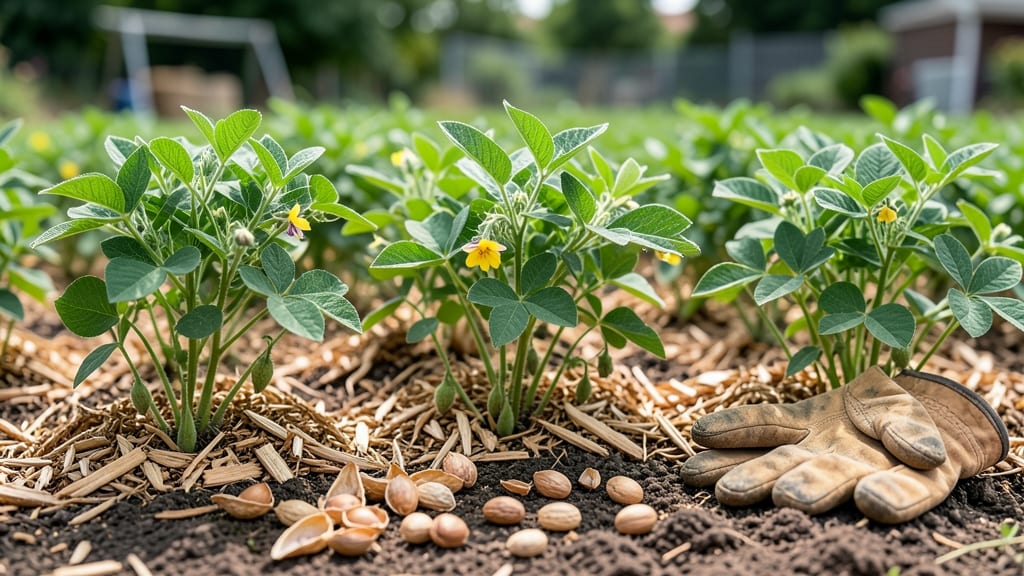
Using peanut shells in the garden boosts soil quality by enhancing drainage, introducing organic nutrients, and deterring pests like slugs and ants through their natural silica properties and gradual breakdown.
Peanut shells work like a slow-release fertilizer because they break down over time, releasing nutrients that improve soil structure and microbial activity. 🌱 The silica in shells strengthens plant cell walls, making crops more resilient to diseases and environmental stress.
Unlike fast-decomposing materials, shells create a lasting amendment that benefits gardens for multiple growing seasons.
For best results, grind shells into smaller pieces before mixing them into soil or using them as mulch. This increases surface area, speeding up decomposition while maintaining their pest-deterrent properties.
I’ve found they work especially well around vegetable beds and fruit trees, where both nutrient enrichment and pest control are critical.
💡 In This Article
- How Peanut Shells Enhance Soil Health
- Practical Ways to Use Peanut Shells in Your Garden
How peanut shells enhance soil health
Peanut shells act as a natural soil conditioner because their fibrous structure and slow decomposition create a long-lasting improvement in soil texture. The shells contain 15-25% lignin, a complex organic polymer that resists rapid breakdown, allowing nutrients to release gradually over 1-2 years rather than weeks.
This slow-release mechanism mirrors the benefits of hardwood mulch but with higher silica content—peanut shells contain 2-3% silica by weight, which plants absorb to strengthen cell walls and improve drought resistance.
The silica in peanut shells works like a biological shield for plants. When broken down by soil microbes, it forms silicon dioxide (SiO2), which deposits in plant tissues, making them more rigid and less susceptible to fungal infections or insect damage.
Studies show plants grown in silica-rich soils exhibit 30-50% stronger stems and better water retention. For example, tomatoes and cucumbers benefit significantly, as their vines become more resilient to wind stress and disease pressure.
The shells also introduce potassium and phosphorus as they decompose, though in smaller quantities than traditional fertilizers.
Microbial activity gets a major boost from peanut shells because their coarse texture creates air pockets in compacted soil. These voids improve aeration while retaining moisture—ideal for root development. The shells' pH-neutral nature (around 6.5-7.0) makes them compatible with most plants, unlike acidic amendments that can disrupt soil chemistry.
Over time, the partially decomposed shells form a spongy layer that mimics the structure of well-aged compost, creating an environment where beneficial bacteria and fungi thrive.
One often-overlooked benefit is the shells' ability to moderate soil temperature. Their dark brown color absorbs heat during the day while releasing it slowly at night, creating a stable microclimate for roots.
This thermal regulation is particularly valuable in hot climates where soil can become too warm for delicate crops. The physical presence of shells also deters pests like slugs and ants, which avoid the sharp, jagged edges and silica-rich surface.
Unlike chemical repellents, this protection lasts as long as the shells remain intact or partially decomposed.
For optimal results, combine peanut shells with other organic amendments like compost or leaf mold. I've found that mixing 20-30% shells by volume with existing soil provides the best balance—enough to improve structure without overwhelming the microbial ecosystem.
The shells' slow decomposition means you won't need to reapply annually, making them a cost-effective, sustainable solution for long-term garden health. 🌱
The real magic happens below the surface. While other organic materials break down quickly and require frequent replenishment, peanut shells create a self-sustaining soil improvement cycle. As they decompose, they leave behind a network of fine organic matter that continues to benefit subsequent plantings.
This makes them particularly valuable for perennial gardens, where soil quality degrades less over time compared to annual vegetable plots.