
Lawn
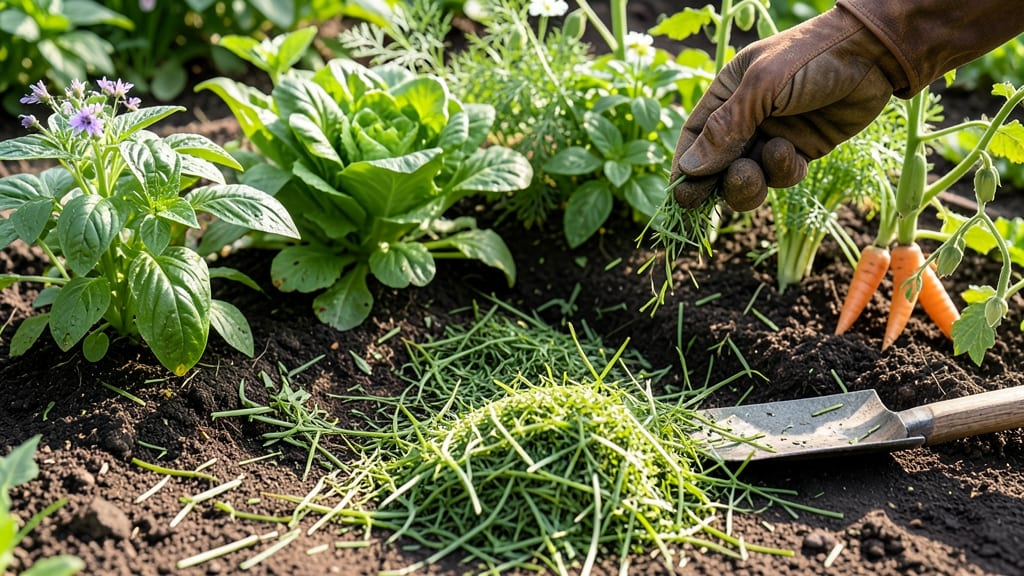
Putting grass clippings in your garden acts as a powerful organic fertilizer, delivering free nitrogen that fuels plant growth while naturally crowding out weeds when spread thinly across lawns or worked into garden beds. For best results, always apply fresh clippings in shallow layers to prevent compaction or fungal issues.
Putting grass clippings in your garden contains about 1-4% nitrogen by dry weight, making them an excellent free resource for gardeners. 🌱 When left on the lawn or composted, they break down quickly, releasing nutrients that improve soil structure and moisture retention—similar to light synthetic fertilizers but without harsh chemicals.
I’ve seen vegetable gardens thrive when topped with clippings, especially leafy greens like spinach and lettuce, which benefit from the nitrogen boost.
For garden beds, spread clippings in thin layers (¼-inch or less) to avoid smothering plants or creating breeding grounds for pests. Avoid using clippings from lawns treated with herbicides, as these chemicals can harm your garden.
Instead, opt for organic grass cycles or blend them into compost for an even more potent soil amendment.
💡 In This Article
- How Grass Clippings Act as Natural Fertilizer
- Best Practices for Using Grass Clippings in Garden Beds
How grass clippings act as natural fertilizer
Grass clippings contain 1-4% nitrogen by dry weight, which is their most valuable nutrient for plants. When clippings decompose, they release this nitrogen gradually through microbial action, creating a slow-release effect similar to organic fertilizers like alfalfa meal (which contains 2-3% nitrogen).
Unlike synthetic fertilizers that deliver nitrogen all at once, clippings provide a steady nutrient flow, reducing the risk of burning plants. The decomposition process also releases potassium and phosphorus in smaller amounts, contributing to overall soil health.
The breakdown happens fastest in warm, moist conditions—clippings can decompose completely in 2-4 weeks when spread thinly.
This process improves soil structure by adding organic matter that enhances moisture retention, especially in sandy soils where water drains too quickly. 🌱 For example, a 1-inch layer of clippings (about 20 pounds per 100 square feet) can boost soil organic matter by 0.5-1% over a season, creating a sponge-like environment that holds nutrients and water better than bare soil.
This natural fertilization works best for fast-growing plants like vegetables (spinach, lettuce, beans) and flowers (marigolds, zinnias) that thrive on nitrogen.
The clippings' high carbon-to-nitrogen ratio (20:1) means they decompose quickly without depleting soil microbes—unlike wood chips or straw, which have much higher carbon ratios (100:1) and take longer to break down. The result?
Healthier roots, greener foliage, and plants that can better resist stress from heat or drought.
However, clippings lack some micronutrients found in balanced synthetic fertilizers, like iron or magnesium. To compensate, pair them with compost or a light application of organic fertilizer (like fish emulsion) for a complete nutrient profile.
The key is balance—too many clippings can create a thick mat that blocks sunlight and suffocates plants, while too few provide minimal benefits. Aim for ¼-inch layers and monitor plant response to find your garden's sweet spot.
One often-overlooked benefit is weed suppression. When clippings are left on lawns, they block sunlight from reaching weed seeds, reducing germination by up to 80% in some cases. This "mulching effect" works because clippings create a physical barrier while decomposing, smothering weeds without chemicals.
The same principle applies to garden beds—just spread them evenly and water lightly to help them settle.
For maximum effectiveness, use clippings from organic lawns (untreated with herbicides or pesticides). Treated clippings can introduce harmful chemicals into your garden soil, potentially harming beneficial microbes and plants. Always check your lawn care products for organic certification if you're using clippings in edible gardens.