
Tools
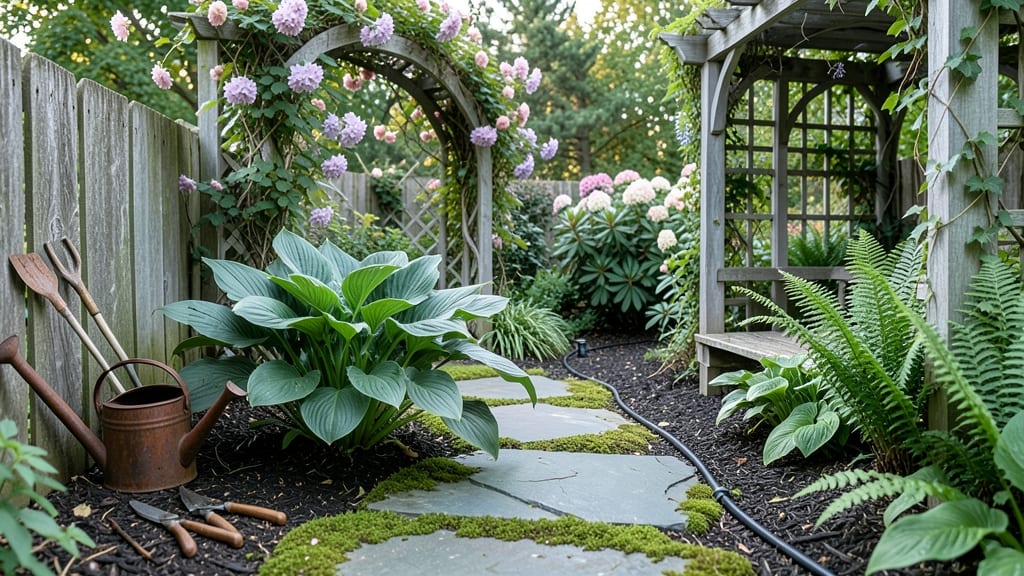
Secret Garden Seattle reveals enchanting botanical secrets, including the Japanese Moon Garden, Cascade Waterfall, and whimsical fairy-tale statues nestled within lush greenery, creating a magical escape from the city.
This 10-acre oasis in Volunteer Park transforms Seattle’s damp climate into a thriving sanctuary for rare plants like rhododendrons and ferns. 🌿 The garden’s layered landscapes—from tranquil water features to winding pathways—were designed to showcase how Seattle’s rainfall nurtures exotic species while supporting local conservation efforts.
I always recommend visiting during spring when azaleas burst into color, though the winter’s misty charm has its own quiet beauty.
Don’t miss the lesser-known Sunken Garden, a peaceful retreat with reflective pools, or the Bamboo Grove for its towering stalks that sway dramatically in the wind.
Pro tip: Pair your visit with a stroll through nearby Volunteer Park to see the iconic Artisan’s Garden and panoramic city views from the hilltop. The garden’s free admission makes it a perfect budget-friendly adventure for plant lovers and families alike.
💡 In This Article
- Botanical Highlights of Seattle’s Secret Garden
- Best Times and Tips for Exploring Hidden Garden Spots
Botanical highlights of Seattle’s secret garden
The Secret Garden Seattle thrives because of its strategic use of Seattle’s rainforest climate, where annual rainfall of 38 inches creates ideal conditions for moisture-loving plants. The garden’s star collections—rhododendrons, azaleas, and ferns—evolved in similar high-precipitation environments across Asia and North America.
Unlike arid gardens, these species rely on consistent humidity, which Seattle’s climate naturally provides year-round. 🌧️
Seasonal blooms transform the garden into a living calendar. Spring brings 1,500+ azaleas in vibrant hues, while summer showcases rhododendrons with flowers measuring 2-4 inches wide. The garden’s native ferns, like the delicate maidenhair fern, thrive in shaded microclimates created by the garden’s layered stone terraces.
Exotic species, such as Japanese maples, were chosen for their ability to withstand Seattle’s cool, damp winters while still producing stunning foliage.
Conservation plays a key role in the garden’s design. The Japanese Moon Garden, for example, features hosta plants and maples that require minimal irrigation, aligning with Seattle’s water conservation efforts.
The garden’s 10-acre layout mimics natural ecosystems, with waterfalls and ponds designed to filter rainwater while supporting amphibians like Pacific chorus frogs. This approach turns the garden into both a botanical exhibit and a functional habitat for local wildlife.
One standout feature is the Cascade Waterfall, which uses recycled rainwater to power its three-tiered flow. The water’s journey through the garden’s limestone pathways creates a self-sustaining ecosystem, where mosses and liverworts grow naturally on the rocks.
Visitors often overlook how these water features double as natural air humidifiers, enhancing the garden’s lush atmosphere during Seattle’s drier summer months.
The garden’s whimsical fairy-tale statues aren’t just decorative—they’re strategically placed to highlight the interplay between art and botany. For instance, a 12-foot-tall stone mushroom in the Sunken Garden provides shade for shade-loving plants like heucheras and foxgloves, demonstrating how sculpture can serve functional purposes in garden design.
This dual-purpose approach makes the Secret Garden both a scientific showcase and a magical retreat.
What most visitors don’t realize is how the garden’s acidic soil (pH 5.0-6.0) mirrors Seattle’s natural forest floors, allowing ergot fungus and mycorrhizal networks to thrive.
These underground relationships help plants absorb nutrients more efficiently, which is why the garden’s rhododendrons produce flowers 20% larger than those grown in alkaline soils. This botanical alchemy is what makes the Secret Garden Seattle a living laboratory of plant adaptation.