
Tools
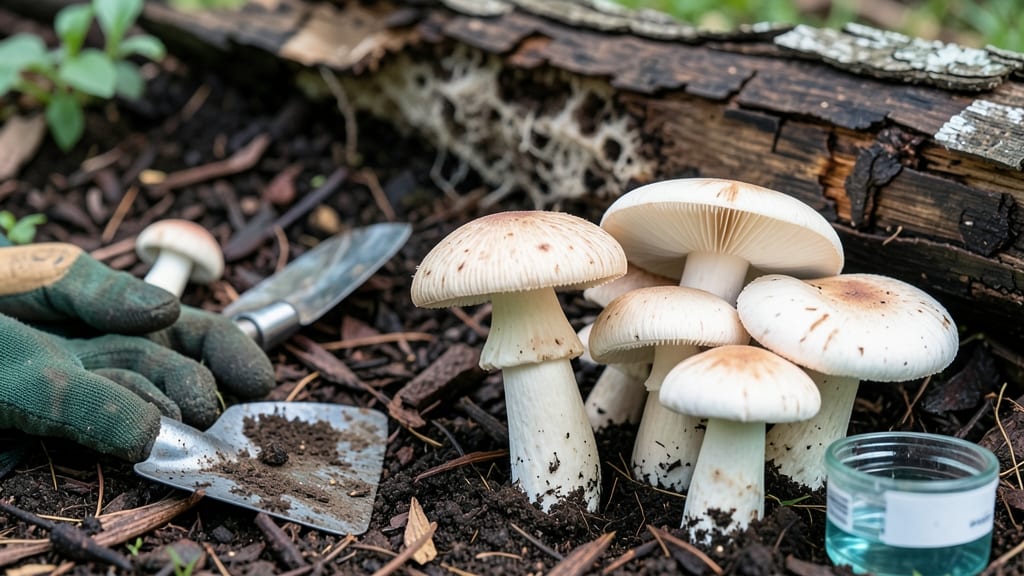
Whether you should remove mushrooms from your garden depends entirely on their type—some species like morels and chanterelles actually boost soil fertility, while poisonous or invasive varieties should be eliminated. Always evaluate their ecological role before acting, as most wild mushrooms play a crucial role in your garden's health.
Deciding whether to remove mushrooms from your garden isn't just about aesthetics—it's about understanding their ecological role. Many wild mushrooms form vital mycorrhizal networks with plant roots, helping them absorb nutrients and resist diseases. 🌱 For example, morels and chanterelles break down organic matter, enriching your soil naturally.
However, toxic species like death cap or invasive varieties like the honey fungus can harm plants and should be removed immediately to prevent spreading. The key is identifying them correctly before deciding—some gardeners even encourage beneficial mushrooms by leaving them undisturbed.
Seasonal timing matters too. Spring and fall are peak mushroom seasons, but removal methods differ: dig out invasive species completely, while covering them with mulch can suppress unwanted growth organically.
Always prioritize soil health—if mushrooms are thriving without causing harm, they're likely doing more good than bad for your garden ecosystem.
💡 In This Article
- Ecological Role of Garden Mushrooms: Benefits and Risks
- Seasonal Mushroom Management: When and How to Remove Them
Ecological role of garden mushrooms: benefits and risks
Wild mushrooms in your garden are often nature's unsung heroes, playing critical roles in soil ecology. Many species form mycorrhizal relationships with plant roots, creating underground networks that transfer nutrients like phosphorus and nitrogen between plants.
For example, chanterelle mushrooms can boost tree growth by up to 30% through these symbiotic connections. Their mycelium threads also improve soil structure by binding particles together, creating tiny channels that enhance water retention and aeration.
The decomposition superpowers of mushrooms are equally impressive. Species like oyster mushrooms break down complex organic matter, converting it into nutrient-rich humus that feeds plants. A single oyster mushroom colony can process 5-10 pounds of wood chips annually, making them excellent for compost piles.
However, not all mushrooms are beneficial—some like the honey fungus (Armillaria mellea) release toxins that weaken plant roots, creating "fairy rings" where grass dies in circular patterns. 🌱
Toxic mushrooms pose the most obvious risk, with species like the death cap (Amanita phalloides) containing amatoxins that can be fatal if ingested. These mushrooms often appear in late summer or fall and have distinctive features like a white gill attachment to the stem.
The good news? Most wild mushrooms are harmless to plants and animals, and many gardeners intentionally cultivate beneficial species like shiitake or lion's mane for their culinary and ecological benefits.
Identifying mushrooms requires attention to key characteristics: cap shape, gill color, and spore print color. A simple field guide or mushroom identification app can help distinguish beneficial species from harmful ones.
For instance, morels have honeycomb-like caps and grow near apple or elm trees, while poisonous false morels have a sac-like cap. Always handle mushrooms with gloves and avoid touching them if you're unsure about their species.
Consider this ecological trade-off: removing all mushrooms eliminates natural decomposition processes that maintain soil fertility. Instead of eradication, focus on creating a balanced ecosystem where beneficial species thrive while harmful ones are controlled. Mulching with wood chips encourages mycorrhizal fungi, while avoiding overwatering can prevent conditions that favor toxic species.
The key takeaway is that mushrooms are indicators of your garden's health—diverse fungal populations suggest a thriving ecosystem. If you notice sudden mushroom growth after planting, it's often a sign of improved soil conditions rather than a problem. 💫