
Watering
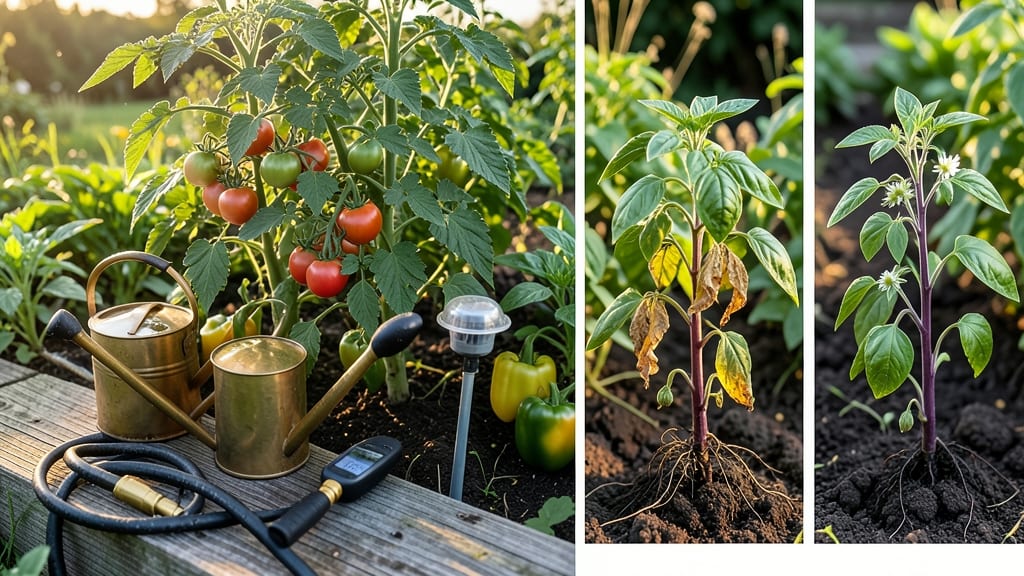
Watering your garden every day in hot weather is unnecessary and can harm plants by drowning roots, promoting fungal growth, and wasting water—instead, water deeply 2-3 times weekly to encourage strong root systems and drought resistance.
Daily watering in scorching conditions actually stresses plants more than it helps. 🌱 The key is replicating natural rainfall patterns—deep, infrequent watering trains roots to grow deeper, making them more resilient during dry spells. Many gardeners mistakenly assume wilting means thirst, but it can also signal overwatering or poor drainage.
I've seen firsthand how plants recover faster from heat stress when given longer dry periods between waterings, as long as the soil stays moist at the root level.
Different plants have varying tolerance levels—vegetables like tomatoes and peppers need consistent moisture, while drought-resistant perennials thrive with less frequent watering. The best approach is to monitor soil moisture by sticking your finger 2-3 inches deep; if it feels dry, that's your cue to water.
Mulching with straw or wood chips can reduce evaporation by up to 30%, cutting your watering needs significantly.
💡 In This Article
- How Often to Water Plants in Extreme Heat Without Killing Them
- Smart Watering Techniques for Hot Weather Gardens
How often to water plants in extreme heat without killing them
When temperatures climb above 90°F, plants experience what botanists call "hydraulic failure"—their roots struggle to absorb water fast enough to replace what evaporates through leaves. This is why daily watering often backfires: shallow watering keeps roots near the surface, where they're exposed to rapid drying and heat stress.
Instead, aim for 1-2 inches of water per week, delivered in 2-3 deep sessions to encourage roots to grow 12-18 inches deep, where soil stays cooler and moisture lasts longer.
The science behind this lies in soil physics. Sandy soils drain quickly and need more frequent watering (every 2-3 days), while clay holds moisture longer (every 5-7 days).
Loamy soil—the gardener's gold—strikes a balance, retaining moisture while allowing oxygen flow. Wilting isn't always thirst: plants wilt when their leaves lose turgor pressure, but this can happen from both drought and overwatering (which suffocates roots).
The telltale sign of proper hydration is turgid leaves in the morning that soften slightly by evening—a natural daily rhythm.
Different plant types have wildly varying needs. Vegetables like tomatoes and peppers need consistent moisture to prevent blossom-end rot, while perennials like lavender thrive with once-weekly watering in heat. Annuals like marigolds signal their needs clearly: drooping leaves that perk up after watering indicate thirst, while yellowing leaves suggest overwatering.
The 10% weight rule helps gauge soil moisture: if the top 2-3 inches of soil weighs 10% less than when moist, it's time to water.
One critical factor often overlooked is the root zone temperature. Soil at 86°F can kill roots within hours, while cooler depths (70-75°F) remain hospitable.
This is why deep watering matters—it cools the root zone naturally. Mulch acts like a thermal blanket, reducing soil temperature by 3-8°F while locking in moisture. Without it, up to 25% of water evaporates before reaching roots—a wasteful cycle daily watering exacerbates.
Consider the plant's natural habitat as a guide. Mediterranean herbs evolved with dry summers and infrequent rains, while tropical plants like hibiscus need daily moisture to mimic their environment.
Even within categories, varieties differ: Heat-tolerant okra thrives with every-other-day watering, while basil wilts within hours without daily attention. This variability is why soil checks trump schedules.
Here's what happens when you overwater: Fungal diseases like powdery mildew thrive in damp foliage, and root rot sets in when oxygen is displaced by excess water. I've seen tomato plants collapse from Phytophthora after daily sprinkler use—yet the same plants flourished with deep weekly watering.
The key is balance: enough moisture to keep roots hydrated, but not so much that it creates anaerobic conditions where roots suffocate.
For maximum efficiency, water when 60-70% of sunlight hits—typically early morning (6-9 AM)—to minimize evaporation. This timing also prevents fungal spores from splashing onto leaves. Drip irrigation delivers water directly to roots, reducing waste by 30-50% compared to sprinklers.
The result? Healthier plants that develop deeper root systems, making them 30% more drought-resistant over time.