Planting
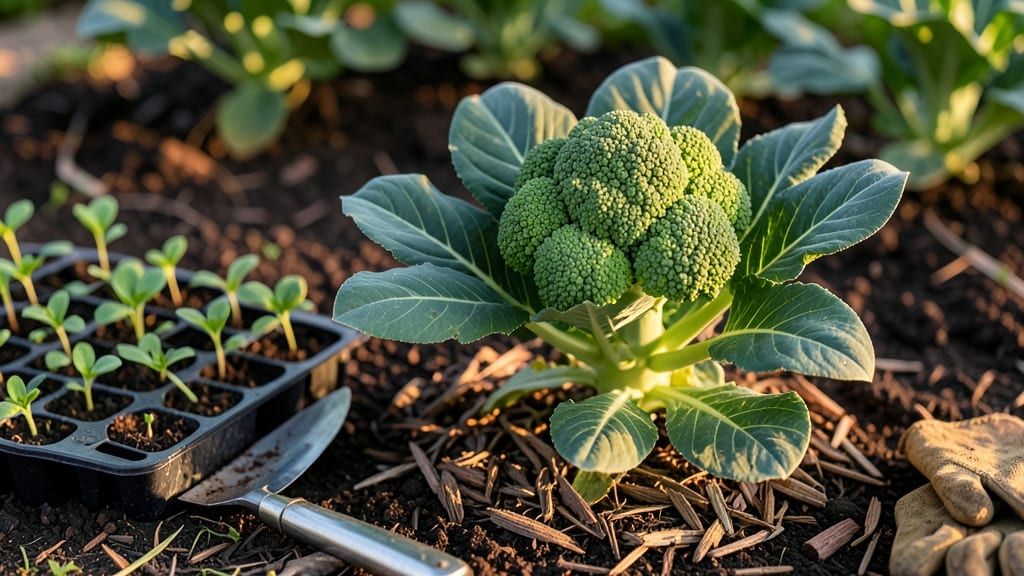
To plant a fall garden in Florida, start between mid-August and early October—the sweet spot for beating summer heat while setting up crops for a cool-season harvest.
Florida’s warm winters and unpredictable frost dates make timing your fall garden a high-stakes game—plant too early, and your crops wilt in the heat; too late, and frost ruins your harvest. Avoid these common mistakes and master the perfect planting window for a thriving Florida fall garden.
If you’ve ever watched seedlings struggle under 90-degree soil or seen a late planting bolt before harvest, you know how critical timing is. The key? Adjusting for your region—North Florida’s cooler nights vs. South Florida’s lingering summer heat—and choosing crops that match your microclimate.
Below, I break down the exact planting windows by zone, the 3 biggest mistakes Florida gardeners make, and how to pick crops that thrive in your backyard’s unique conditions.
Florida’s fall planting timeline: exact dates by region (2024 guide)
Timing your fall garden in Florida isn’t just about avoiding frost—it’s about beating the heat while maximizing cooler temperatures. Unlike northern states, Florida’s three distinct regions (North, Central, and South) have different ideal planting windows.
North Florida’s cooler nights allow earlier starts, while South Florida’s longer growing season lets you plant later. Get these dates wrong, and you’ll either deal with wilting seedlings or miss your harvest before winter sets in.
For North Florida (Zones 8a-8b), your first planting window opens in mid-August for heat-tolerant crops like okra, sweet potatoes, and collard greens. By early September, you can add cool-season staples such as broccoli, cabbage, and kale.
Central Florida (Zones 9a-9b) follows a similar schedule but with a 2-week delay—start heat lovers in late August and cool crops by mid-September. South Florida (Zones 10a-11) can plant year-round, but for optimal fall harvests, focus on late September to early October for leafy greens and root vegetables.
| Region | Heat-Tolerant Crops | Cool-Season Crops | Last Planting Date | Succession Planting |
|---|---|---|---|---|
| North Florida (Zones 8a-8b) | Okra, Sweet Potatoes, Black-Eyed Peas (Mid-Aug) | Broccoli, Cabbage, Kale (Early Sept) | October 15 (before first frost risk) | Every 2 weeks until Oct 1 |
| Central Florida (Zones 9a-9b) | Tomatoes, Peppers, Eggplant (Late Aug) | Spinach, Lettuce, Radishes (Mid-Sept) | November 1 (low frost risk) | Every 3 weeks until Oct 15 |
| South Florida (Zones 10a-11) | Basil, Cucumbers, Green Beans (Late Sept) | Arugula, Swiss Chard, Mustard Greens (Early Oct) | December 1 (frost-free) | Monthly until Nov 15 |
If you’re planting heat-tolerant crops like okra or sweet potatoes, start in August—these thrive in Florida’s summer heat and can handle early fall temperatures. For cool-season crops such as broccoli or lettuce, wait until September when daytime highs drop below 90°F.
In North Florida, aim to finish planting by mid-October to avoid rare frost events, while Central and South Florida can push harvests into November or December.
Succession planting is your secret weapon for a continuous harvest. In North Florida, sow leafy greens every 2 weeks from September through October. Central Florida can extend this to every 3 weeks until mid-November, while South Florida’s longer season lets you plant monthly until November.
This strategy ensures you’re always harvesting fresh produce instead of facing a glut or shortage.
Don’t forget about frost-sensitive varieties like tomatoes and peppers. Even in North Florida, these can be planted in late August if you use shade cloth to protect seedlings from the worst heat.
Once temperatures drop, remove the cloth and let them thrive. For frost-hardy crops such as collards or kale, you can even plant them in October and enjoy harvests well into winter.
Adjust your timeline based on soil temperature. Use a soil thermometer to confirm it’s below 85°F before planting cool-season crops. In North Florida, soil cools faster, so you can start earlier.
In South Florida, wait until soil temperatures drop below 80°F to prevent seed rot. Mulch with straw or grass clippings to help regulate soil temperature and retain moisture.
For container gardening, follow the same regional guidelines but plant 1-2 weeks earlier since pots heat up faster. Use self-watering containers to prevent drought stress, and move pots to shadier spots during peak afternoon heat.
This flexibility lets you extend your growing season even in urban areas with limited space.
Watch for hurricane season (June-November) when planning your fall garden. If a storm is forecast, prioritize harvesting mature crops and protecting seedlings with row covers or temporary shelters. Avoid planting new crops in the 2 weeks before or after a storm to give roots time to establish.
Finally, keep a planting journal to track what works best in your microclimate. Note which crops thrive with early September starts versus those that need late October plantings. Over time, you’ll refine your schedule to match your
3 Critical mistakes Florida gardeners make before frost (and how to fix them)
Florida’s warm climate can trick gardeners into thinking frost is a distant threat, but late-season heat and unpredictable cold snaps still wreak havoc on fall gardens.
Many gardeners make costly timing mistakes that lead to stunted growth or lost harvests. The key is understanding your local microclimate and adjusting planting strategies accordingly.
One of the biggest errors is planting heat-sensitive crops too early, like lettuce or spinach, which bolt in 85°F+ soil. Another is ignoring soil temperature—cool-season crops need soil between 60-70°F to thrive.
Finally, overcrowding seedlings is a common pitfall that stunts growth and invites pests. Let’s fix these mistakes before your garden suffers.
⚠️ Mistake #1: Planting Before Soil Cools
Problem: Planting cool-season crops like broccoli or kale in warm soil (>75°F) causes poor germination and stunted growth. Florida’s summer heat lingers longer than you think.
Fix: Wait until soil temps drop below 70°F (use a soil thermometer). For North Florida, aim for mid-August; South Florida can start as late as September.
Pro Tip: Use shade cloth (30-50%) over seedlings to cool the soil by 10-15°F.
Another frequent mistake is choosing frost-sensitive varieties like basil or cucumbers for late-season plantings. These crops won’t survive even a light frost, and Florida’s rare but possible 28°F nights can devastate unprepared gardens. Swap them for frost-tolerant alternatives like collards or Swiss chard, which thrive down to 20°F.
Overcrowding seedlings is a silent growth killer. Plants competing for nutrients and sunlight produce weak stems and low yields. For example, lettuce plants need 12-18 inches apart, while radishes can tolerate 3-4 inches. Always check seed packet spacing guidelines and thin seedlings early to avoid stress.
To protect your fall garden from late-season heat, apply 2-3 inches of mulch (straw or pine needles) around plants. This keeps roots cool and retains moisture. For extra insurance, use row covers on sensitive crops like peas or beans if a frost warning appears.
Even in frost-free Florida, 28°F can damage young plants.
Finally, don’t forget to succession plant heat-tolerant crops like okra or sweet potatoes in late summer for a fall harvest. These thrive in warm soil and won’t bolt like lettuce. By balancing cool-season and heat-loving crops, you’ll extend your harvest window and avoid seasonal gaps.
With these fixes, your Florida fall garden will stay productive—no matter what Mother Nature throws your way. Happy planting! 🌱