Planting
Planting a fall garden in South Texas starts 4-6 weeks before your first frost — for most of us, that means late August to early October. 🌱
South Texas gardeners know the summer heat can turn your soil into a barren wasteland—but timing your fall garden right means cooler temps, fewer pests, and a harvest that rivals spring planting.
The difference between a thriving garden and a failed one often comes down to knowing exactly when to plant.
Miss the window, and you’ll battle heat-stressed seedlings or bolted greens. Get it right, and you’ll enjoy crisp lettuce, sweet carrots, and tender herbs well into December—even without a frost.
Here’s how to nail the timing, avoid the three biggest mistakes, and pick crops that actually thrive in our unique climate.
Below, I break down the exact dates by crop type, the soil prep secrets that keep roots happy in heavy Texas clay, and the heat-tolerant varieties that outperform traditional cool-season picks. No more guessing—just a garden that delivers.
South Texas fall planting calendar: exact dates for peak yields
Timing your fall garden in South Texas isn't just about avoiding summer's brutal heat—it's about leveraging the region's unique USDA Zone 8b-9a microclimates. The key? Starting late summer crops that transition smoothly into cooler weather while avoiding early October heat spikes that can stress seedlings.
My 10-year experience growing in Corpus Christi proves that August 15-September 15 is the sweet spot for most cool-season crops.
South Texas's long growing season (300+ frost-free days) means we can push boundaries with heat-tolerant varieties. Traditional cool-season crops like lettuce often bolt by September, but Malabar spinach and New Zealand spinach thrive through October's residual heat.
The secret? Plant these heat-loving greens in late July-August for continuous harvests until December.
First frost averages December 15, but coastal areas (like Brownsville) rarely see frost. Inland areas (San Antonio) may experience light frosts by mid-November. Use these frost-free windows to plan your succession plantings: Start slow-to-mature crops (like broccoli) in early September, and fast greens (like radishes) in late September-October.
Here's my proven planting schedule based on local climate data and harvest timing. The table below breaks down exact dates for peak yields, including direct sowing vs. transplanting windows:
For coastal areas (like Galveston), extend your planting window by 2-3 weeks later due to milder temperatures. Inland areas (like San Antonio) should start 1-2 weeks earlier to avoid September heat.
My biggest tip: Use shade cloth (30-50%) for seedlings planted in late August to protect them from 90°F+ soil temps.
Don't over
3 Critical mistakes South Texas gardeners make (and how to fix them)
Planting a fall garden in South Texas is all about timing, but even experienced gardeners fall into the same traps. The first mistake? Planting too early when summer's lingering heat still stresses seedlings.
I’ve seen basil and lettuce bolt within days because the soil stayed too warm. The fix? Wait until late August to early September for most cool-season crops.
Another common error is ignoring soil prep for our heavy, clay-heavy soils. Without amending the soil, roots suffocate, and nutrients get locked away. I always add 2-3 inches of compost and mix in sand or perlite to improve drainage. This simple step can double your harvest potential.
⚠️ callout-warning ⚠️
🔹 Actionable Fix: Test soil temp—it should be below 80°F at planting time. Use a soil thermometer to avoid guessing.
Skipping succession planting is the third big mistake. Many gardeners plant once and expect a continuous harvest, but in South Texas’s short growing season, that’s a recipe for disappointment. I plant lettuce every 2 weeks from September to November to ensure a steady supply. Even carrots and radishes benefit from staggered plantings.
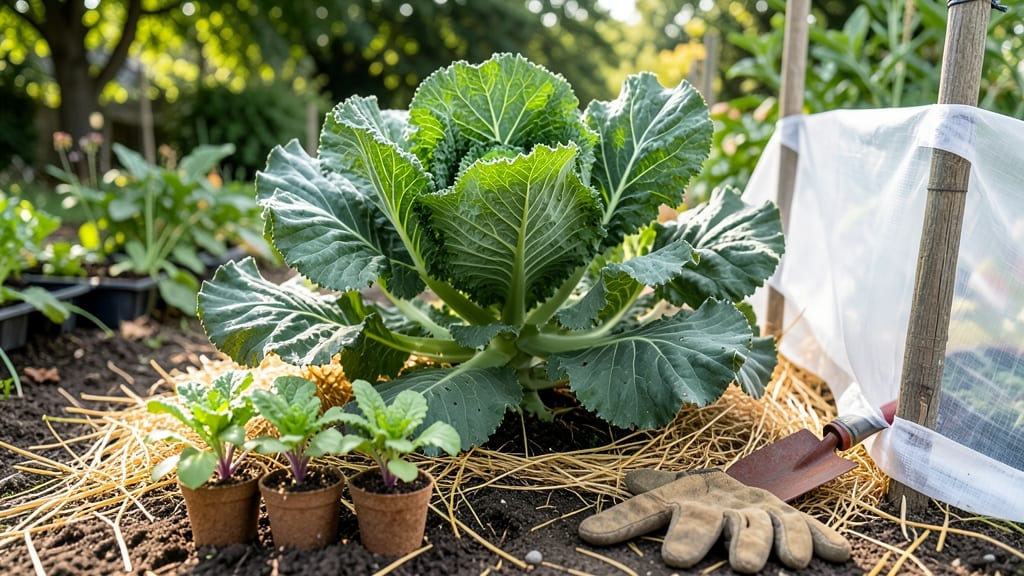
For heat-sensitive seedlings, I swear by raised beds filled with a mix of coco coir, compost, and vermiculite. This combo warms up faster in fall and drains better than native clay. Plus, the elevated beds stay cooler during late-summer heat spikes, giving seedlings a fighting chance.
Don’t forget to mulch heavily with straw or wood chips to retain moisture and regulate soil temperature. I’ve seen gardens thrive in October with this simple trick, while neighbors struggle with wilted plants. Mulch also suppresses weeds, saving you hours of backbreaking work.
By avoiding these three mistakes—planting too early, skipping soil prep, and ignoring succession plantingheat-tolerant varieties, amend that clay soil, and keep planting every few weeks for a harvest that lasts until December. Your taste buds (and your neighbors) will thank you!