
Watering
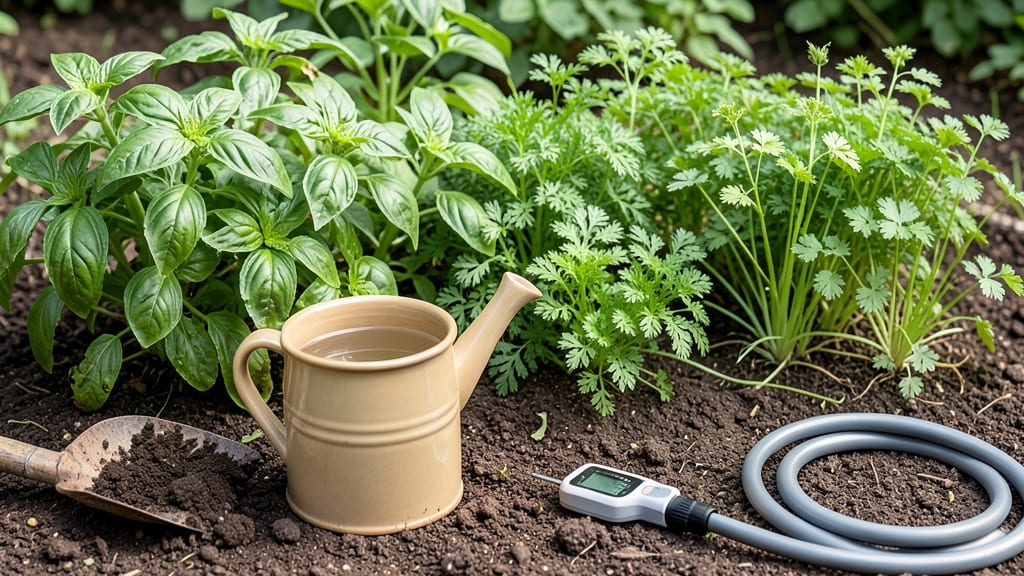
Watering your garden every day is rarely necessary—most plants thrive with 1 to 1.5 inches of water per week, adjusted by soil type, weather, and plant species. Overwatering can drown roots and invite pests, while underwatering stresses plants. Check soil moisture before watering to avoid damage.
Daily watering can actually harm your plants by suffocating roots and encouraging fungal growth. 🌱 Instead, focus on deep, infrequent watering that penetrates 6 inches into the soil—this encourages stronger root systems.
For example, drought-resistant succulents may only need water every 2-3 weeks, while leafy greens like lettuce prefer consistent moisture. Always water at the base of plants to reduce evaporation and disease risk.
Morning is the best time to water because it allows foliage to dry quickly, preventing mildew. If you must water in the evening, avoid overhead sprinkling to minimize humidity-related problems. Consider using mulch—it retains moisture, regulates soil temperature, and reduces watering frequency by up to 30%.
For precise control, drip irrigation systems deliver water directly to roots, saving both time and resources.
💡 In This Article
- How Often to Water Different Garden Plants
- Smart Watering Techniques for Healthy Gardens
How often to water different garden plants
Most garden plants don't need daily watering—their root systems actually benefit from deeper, less frequent watering that encourages them to grow stronger.
For example, vegetables like tomatoes and peppers thrive with 1-1.5 inches of water per week, while shallow-rooted herbs such as basil may need watering every 2-3 days during hot weather.
The key is understanding each plant's natural moisture requirements: succulents like agave or sedum can survive on water every 2-3 weeks, while tropical plants like ferns need consistently moist soil. 🌿
Seasonal changes dramatically alter watering needs. In summer, when temperatures soar and evaporation rates increase, most plants require 20-30% more water than in spring or fall. For instance, a rose bush might need watering 3 times per week in July but only once every 10 days in May.
Conversely, winter watering should be reduced by 50% or eliminated entirely for dormant plants. Soil type plays a crucial role too: sandy soil drains quickly and may need watering every 2-3 days, while clay soil retains moisture longer and might only require watering once a week.
Signs of overwatering include yellowing leaves, mold growth at the soil surface, and roots that appear mushy when touched. Underwatered plants show wilting despite moist soil, crispy leaf edges, and soil that pulls away from pot sides.
To test soil moisture, simply insert your finger 2 inches deep—if it feels dry, it's time to water. For container plants, lift the pot: if it feels light, the soil likely needs moisture. 💧
Drought-tolerant plants like lavender, Russian sage, and most native grasses have evolved to thrive with minimal water. These species store water in their leaves and stems, allowing them to survive weeks without rainfall.
In contrast, high-maintenance plants like impatiens or hostas require consistently moist soil and may wilt dramatically if left dry for even 24 hours. Always match your watering schedule to the plant's natural habitat—mediterranean herbs need dry spells, while tropical plants crave humidity.
Newly planted trees and shrubs need special attention: their root systems are still establishing and can't reach deep water sources. During the first year, water these plants deeply 2-3 times per week to encourage root growth downward.
Mature trees, however, often only need watering once every 2-4 weeks unless experiencing extreme drought. The "drip line" (the area directly under and slightly beyond the tree's canopy) is where roots actively seek water—focus your efforts there. 🌳
Consider these plant categories when planning your watering schedule:
- Vegetables: Most need 1-1.5 inches per week; leafy greens like lettuce prefer daily watering in summer
- Flowers: Annuals (like petunias) need consistent moisture; perennials (like coneflowers) tolerate drought once established
- Shrubs: Evergreens need regular watering; deciduous shrubs can handle dry spells better
- Trees: Young trees need frequent deep watering; mature trees often require little supplemental water