
Tools
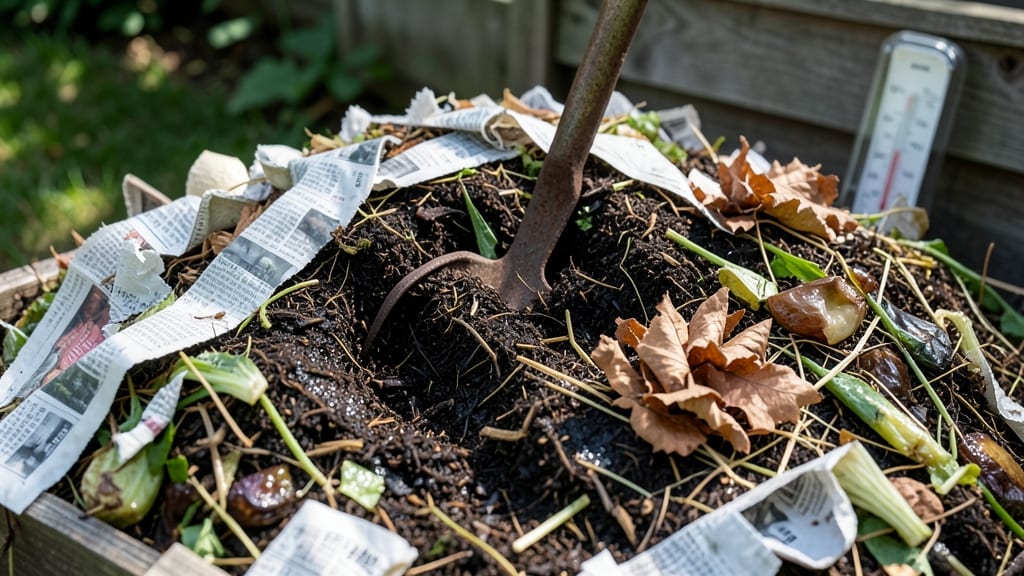
Using shredded paper in the garden as mulch or compost speeds nutrient breakdown while enriching soil, but avoid glossy, colored, or treated papers that may contain harmful chemicals or ink toxins. Stick to plain, uncoated paper for safety.
Shredded paper breaks down quickly in garden beds because its increased surface area gives soil microbes more access to the cellulose fibers. 🌱 This process releases nutrients like nitrogen and carbon as the paper decomposes, creating a natural fertilizer effect.
I've found that shredded newspaper or plain office paper decomposes within 4-6 weeks under ideal conditions—moisture and warmth are key factors. The finer the shreds, the faster they integrate into the soil, making them perfect for compost piles or as a top layer in garden beds.
For best results, mix shredded paper with green materials like grass clippings or fruit scraps to balance carbon and nitrogen levels. This combination creates a nutrient-rich compost that improves soil structure and moisture retention.
Just remember to avoid any paper with glossy coatings or colored inks, as these can introduce harmful chemicals into your garden ecosystem.
💡 In This Article
- How Shredded Paper Decomposes in Soil
- Safe vs. Unsafe Paper Types for Garden Use
How shredded paper decomposes in soil
Shredded paper decomposes through a microbial feast in the soil, where cellulose—the main structural component of paper—becomes a buffet for bacteria and fungi. These microbes secrete enzymes like cellulase that break down the long chains of cellulose into simpler sugars, which they then metabolize.
The process is faster with shredded paper because smaller pieces expose more surface area to microbial activity, accelerating decomposition compared to whole sheets. Think of it like tearing a sandwich into tiny pieces—more edges mean more microbes can get to work at once!
Moisture and warmth are the secret ingredients that turn shredded paper into garden gold. Ideal conditions include a soil temperature above 50°F and consistent moisture (not soggy).
Under these conditions, plain shredded paper can break down in as little as 4-6 weeks, while thicker materials like cardboard may take 2-3 months. For comparison, whole newspaper sheets might linger for months, while finely shredded office paper disappears in weeks.
The breakdown releases carbon and nitrogen, which feed soil microbes and improve soil structure over time.
This decomposition process also creates a natural mulch effect. Shredded paper retains moisture near plant roots while suppressing weeds by blocking sunlight. I've noticed that when used as a top layer in garden beds, it creates a spongy, crumbly texture that mimics well-aged compost.
The key is balance—too much paper can create a mat that blocks air and water, while too little won't provide enough mulch protection. Aim for a 1-2 inch layer mixed with other organic materials for optimal results.
Different paper types decompose at varying rates due to their composition. Plain white office paper breaks down fastest because it contains minimal additives. Newspaper, with its ink and slight coating, takes slightly longer but still decomposes well.
Cardboard, especially the corrugated kind, is a slow decomposer due to its waxy coating and thickness. For fastest results, I recommend using a mix of plain paper and egg cartons—they decompose in about 3-4 weeks while adding valuable nutrients to the soil.
What's fascinating is how this process mirrors natural leaf litter decomposition. Just as fallen leaves break down in forests, shredded paper follows a similar microbial pathway, enriching the soil with organic matter.
The difference is that paper provides a more concentrated source of carbon, which helps balance nitrogen-rich green waste in compost piles. This is why many compost systems recommend mixing paper with kitchen scraps or grass clippings—the carbon from paper helps create a more stable, nutrient-rich compost.
The decomposition rate can be dramatically affected by local conditions. In hot, humid climates, paper may disappear in as little as 3 weeks, while in cooler, drier regions, it might take up to 8 weeks.
To speed up the process, I've found that lightly wetting the shredded paper before adding it to compost or garden beds helps kickstart microbial activity. The moisture jumpstarts the breakdown process, especially in dry climates where soil microbes might be less active.
One common misconception is that all paper decomposes the same way. While plain paper is a microbial magnet, coated or treated papers create barriers that slow decomposition.
For example, glossy magazine pages with plastic coatings can take 6 months or more to break down, while thermal paper from receipts contains bisphenol A (BPA) and other chemicals that can harm soil life.
This is why choosing the right paper type is crucial for both decomposition speed and garden health.