
Tools
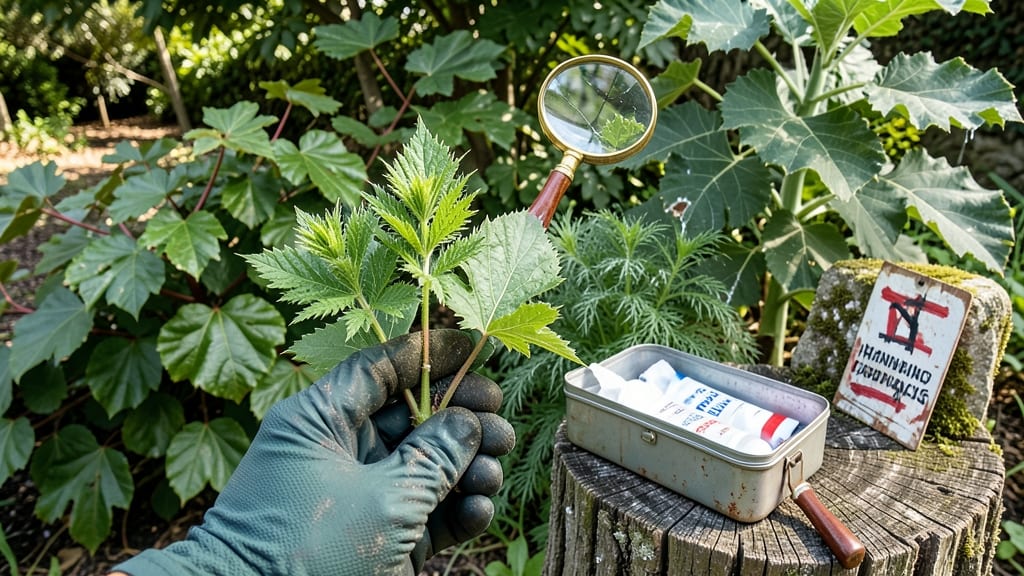
A skin rash after gardening usually appears due to plant irritants like poison ivy, oak, or sumac, along with exposure to chemical fertilizers or pesticides. These triggers cause itchy, red, or blistering skin reactions, but you can ease discomfort with cold compresses and over-the-counter hydrocortisone cream while avoiding scratching.
A skin rash after gardening often stems from direct contact with toxic plants or chemical residues lingering on your hands and tools. 🌿 The oils in poison ivy, for example, can trigger an allergic reaction in up to 85% of people, while even mild fertilizers may cause irritation if they come into contact with broken skin.
I always recommend rinsing thoroughly with cool water and mild soap within 10 minutes of finishing gardening—this simple step can prevent many rashes before they start.
If you notice redness or itching developing, act fast with over-the-counter treatments like calamine lotion or antihistamine creams. For severe reactions, I've found that oral antihistamines taken at the first sign of irritation provide faster relief than topical treatments alone.
Always keep a small bottle of rubbing alcohol handy to clean tools and gloves between uses—this removes hidden plant oils that could cause future reactions.
💡 In This Article
- Identifying Common Gardening Plant Allergens and Irritants
- Step-by-Step Home Remedies for Gardening Rashes
Identifying common gardening plant allergens and irritants
The most notorious gardening culprits are poison ivy, poison oak, and poison sumac, which contain a chemical called urushiol. This oily resin triggers an allergic reaction in most people, even with microscopic exposure.
Urushiol binds to skin proteins within minutes, activating the immune system's response. 🌱 What's fascinating is that urushiol can remain potent on tools, clothing, or even pet fur for years, meaning old gardening gloves or shears might still harbor the irritant.
Other plants like stinging nettle cause irritation through tiny hair-like structures called trichomes, which inject formic acid—a compound similar to that found in ant venom—into your skin. The reaction typically appears as raised, itchy welts within 30-60 minutes of contact.
Meanwhile, chemical irritants like fertilizers (especially those containing ammonium nitrate) or pesticides disrupt the skin's natural barrier, leading to dryness, redness, and sometimes even chemical burns when concentrated on broken skin.
Soil additives play a surprising role too. Synthetic fertilizers often contain sulfates and phosphates that can dry out skin, while some organic compost may harbor mold spores that trigger allergic reactions in sensitive individuals.
The key difference between plant allergens and chemical irritants is that plant reactions (like urushiol) are immune-mediated, while chemical reactions are typically direct irritations without immune involvement. This explains why some rashes spread from scratching (plant reactions) while others stay localized (chemical burns).
Here's what actually happens under your skin: When urushiol enters through broken skin or hair follicles, your immune system produces histamine and other inflammatory mediators. This causes the characteristic redness, swelling, and itching that develops 12-48 hours after exposure.
The severity varies—some people develop mild redness while others get large, fluid-filled blisters. 🔥 This delayed reaction is why many gardeners don't realize they've been exposed until symptoms appear hours later.
Even seemingly harmless plants can cause issues. For example, citrus peels contain psoralens, compounds that make skin more sensitive to sunlight and can cause photodermatitis when handled before sun exposure. Meanwhile, the sap from milkweed contains cardiac glycosides that can cause skin irritation in some people.
The takeaway? Always wash your hands thoroughly after handling any unfamiliar plants, and consider wearing long sleeves when working with potentially reactive species.
One common misconception is that you need to touch the plant directly to get a rash. In reality, urushiol can become airborne when burning poison ivy, creating smoke that carries the irritant into your lungs or onto your skin.
This explains why some gardeners develop rashes even when they didn't directly contact the plant. The same principle applies to tools—always clean them with rubbing alcohol after use to remove any residual oils.
For chemical exposures, the story is different. Fertilizer burns, for instance, occur immediately upon contact because the chemicals disrupt cell membranes in your skin. The damage appears as red, painful patches that may blister within 1-2 hours.
Unlike plant reactions, chemical irritations don't spread from scratching but can worsen if the chemical remains on your skin. This is why thorough rinsing with water is crucial for chemical exposures.