
Tools
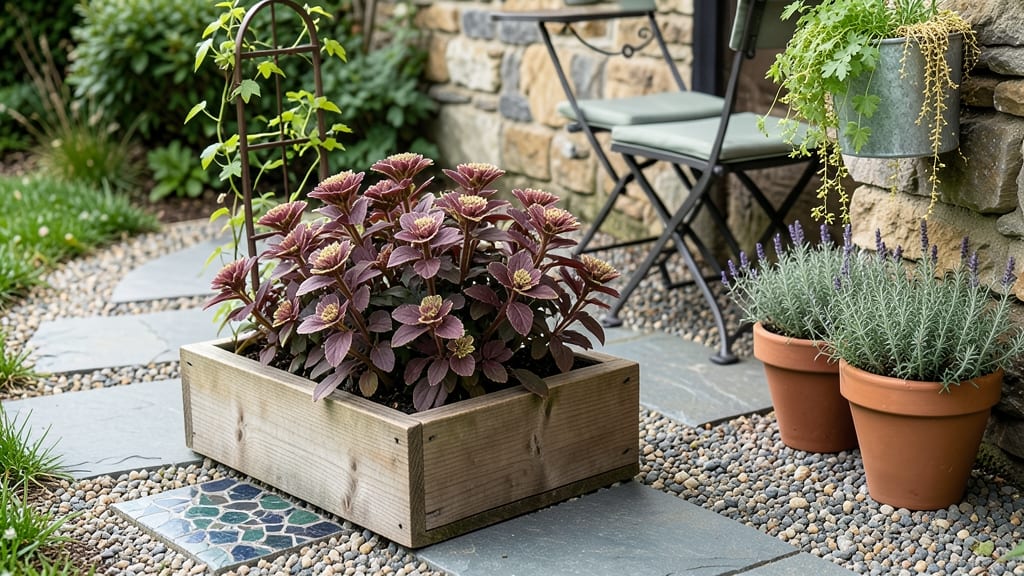
Small garden layout ideas focus on vertical gardening, raised bed systems, and multi-purpose zones to transform tight spaces into vibrant, high-yield areas. Smart plant layering and dwarf varieties help you make the most of every square foot.
When working with limited space, the secret is thinking three-dimensionally. 🌿 Walls become living canvases with climbing vines like clematis or pole beans, while trellises create vertical gardens for tomatoes and cucumbers.
I've seen raised beds in urban backyards produce more food than sprawling in-ground plots because they control soil quality and eliminate wasted walkways. The magic happens when you pair edible landscaping—like strawberries along pathways—with decorative plants to create a cohesive look while maximizing harvests.
For true space efficiency, I recommend square-foot gardening, where every inch is accounted for with a grid system. This method lets you grow 16 different plants in just 4 square feet! Mixing herbs with flowers isn't just pretty—it naturally repels pests while saving space.
My favorite compact picks are dwarf citrus trees (like 'Calamondin') and bush beans, which thrive in containers and produce abundantly without taking over.
💡 In This Article
- Vertical and Tiered Small Garden Designs
- Space-Saving Planting Techniques for Urban Gardens
Vertical and tiered small garden designs
Vertical gardening transforms walls and fences into productive growing surfaces. By utilizing climbing plants like pole beans or cucumbers, you can grow food where ground space is scarce. These plants attach to trellises or obelisks, reaching heights of 6-8 feet while occupying just 6 inches of base space.
The key is choosing plants with strong vines—like kiwi vines or passionflowers—that can support their own weight without collapsing.
Layering plants by height creates a lush, multi-level effect that maximizes sunlight exposure at all levels. Start with tall structures (like sunflowers or cornstalks) at the back, followed by medium-height plants (tomatoes, peppers) in the middle, and ground covers (strawberries, thyme) at the front.
This arrangement ensures no plant is shaded out while creating visual interest. 🌱 For example, a 4-foot-tall trellis can support 2-3 tomato plants vertically, saving 90% of the space they'd need if grown traditionally.
Structural support systems like espalier (training fruit trees flat against walls) or wall-mounted planters take vertical gardening further. An espaliered apple tree can produce fruit while occupying just 1 foot of wall space—ideal for urban balconies.
For walls, use cobblestone planters or hanging pockets to create tiered levels. The science behind this is simple: more surface area means more growing space without expanding your footprint.
Don't overlook the roof! Green roofs with lightweight soil and sedum plants add insulation while creating a mini ecosystem. Even a 10x10-foot balcony can support 20-30 plants when using vertical shelves and hanging baskets.
The trick is balancing weight—most balconies handle 20-30 pounds per square foot, so opt for lightweight containers and self-watering systems to reduce maintenance.
For true efficiency, combine vertical elements with raised beds. A 4x8-foot raised bed yields more than a traditional in-ground plot because it eliminates soil compaction and allows better root growth.
Add a 2-foot-tall trellis along one side to grow beans or peas, and suddenly you've doubled your harvest potential in the same footprint. 🌿 The result? A garden that looks intentional, produces abundantly, and fits seamlessly into small spaces.
Pro tip: Use reflective surfaces like mirrors or light-colored walls to amplify sunlight in shady areas. This simple trick can extend growing seasons by 2-3 weeks for plants at higher levels, where light is often dimmer.
The payoff? More flowers, more fruit, and a garden that feels expansive despite its size.