
Vegetables
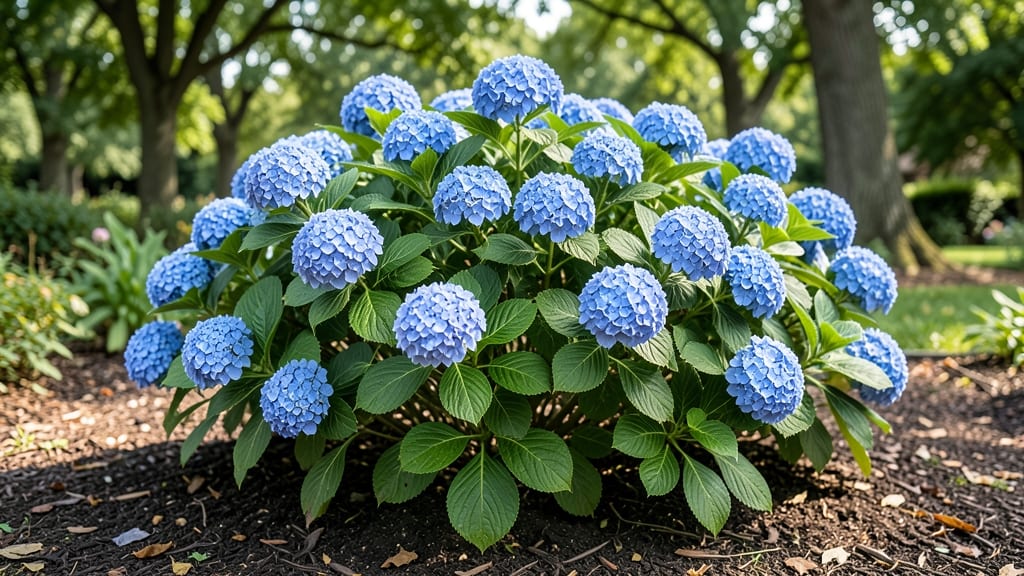
Stan Hywet Hall and Gardens offers 67 acres of meticulously preserved historic landscapes designed by Frederick Law Olmsted, combining grand French-style gardens with organic woodland paths. The estate highlights rare botanicals, ever-changing seasonal displays, and the legendary 65-room mansion built by F.A. Seiberling, founder of Goodyear.
This Akron landmark stands out for its seamless blend of artistry and nature. 🌿 The gardens' layout reflects Olmsted's signature approach—where structured French parterres meet wildflower meadows, creating a visual journey through history.
What makes it special is how the estate evolves with each season: spring's tulip displays, summer's rose gardens, and autumn's fiery foliage all showcase the property's horticultural expertise.
The mansion itself is a time capsule, offering guided tours that reveal the Seiberling family's industrial legacy alongside their love for European-style gardens.
For visitors, timing matters—spring and fall bring the most vibrant colors, while winter's holiday lights transform the estate into a magical setting. The grounds also host unique events like the annual Winter Wonderland festival, complete with ice skating and seasonal treats.
Pro tip: Pair your visit with a stop at the nearby Akron Art Museum to experience Ohio's cultural duality—where industrial innovation meets artistic refinement.
💡 In This Article
- Olmsted-Inspired Garden Designs at Stan Hywet
- Best Times to Visit Stan Hywet Gardens
Olmsted-inspired garden designs at Stan Hywet
Frederick Law Olmsted's genius at Stan Hywet lies in his ability to merge structured elegance with natural harmony. The estate's 12-acre formal garden features meticulously manicured French parterres—geometric patterns filled with boxwood, lavender, and seasonal flowers—that create a visual symphony of color and texture.
These gardens follow Olmsted's principle of "viewsheds," where each carefully placed bench or path offers a framed vista, like the Grand Allée, a 400-foot-long gravel walkway lined with American elms that leads visitors toward the mansion with dramatic perspective.
The contrast between formal gardens and wild meadows demonstrates Olmsted's belief in ecological balance. Stan Hywet's naturalistic woodlands include native Ohio species like sugar maples and white pines, which provide year-round interest—golden autumn foliage in fall and evergreen texture in winter.
What's fascinating is how Olmsted integrated these elements: the Japanese Garden, a serene 1.5-acre retreat with koi ponds and stone lanterns, sits adjacent to the formal gardens yet feels like a separate world.
This duality mirrors his work at New York's Central Park, where structured landscapes coexist with untamed nature.
Seasonal transformations reveal Olmsted's horticultural mastery. Spring brings 20,000 tulips in 200 varieties, while summer's rose garden showcases 1,200 bushes in 200 different cultivars. The estate's herb garden, featuring medicinal plants used by 19th-century families, adds educational depth.
What visitors often miss is how Olmsted's design principles extend to the mansion's placement—positioned to frame views of the gardens while maintaining privacy through strategic tree planting. This thoughtful arrangement ensures every angle offers a new aesthetic experience.
Signature features like the Garden of Remembrance demonstrate Olmsted's ability to imbue landscapes with meaning. This circular garden, planted with 500 daffodils in memory of F.A. Seiberling's wife, uses color symbolism (white for purity, yellow for hope) to create an emotional connection.
The estate's conservatory, a 50-foot-long glasshouse, extends Olmsted's principles indoors by showcasing tropical plants that would otherwise perish in Ohio's climate. This blend of horticulture and history makes Stan Hywet not just a garden, but a living textbook of landscape design.
What sets Stan Hywet apart is its adaptive reuse of Olmsted's original plans. While many estates modified their landscapes over time, Stan Hywet's gardens have remained 90% true to Olmsted's 1916 design.
The estate's horticulturists use original plant lists and historical records to maintain authenticity, even sourcing rare varieties like the Seiberling's favorite 'Paul's Scarlet' rose. This preservation ethos means visitors experience Olmsted's vision as it was intended—without modern alterations that often dilute historical integrity.
For those who appreciate design details, the garden rooms offer micro-experiences. The Italian Garden, with its terracotta pots and climbing roses, feels like a Mediterranean escape, while the English Border Garden mimics cottage-style plantings.
Each area demonstrates how Olmsted's principles could be adapted to different cultural styles while maintaining his core philosophy: that gardens should serve both aesthetic and functional purposes. The result is a landscape that educates as much as it delights.