
Tools
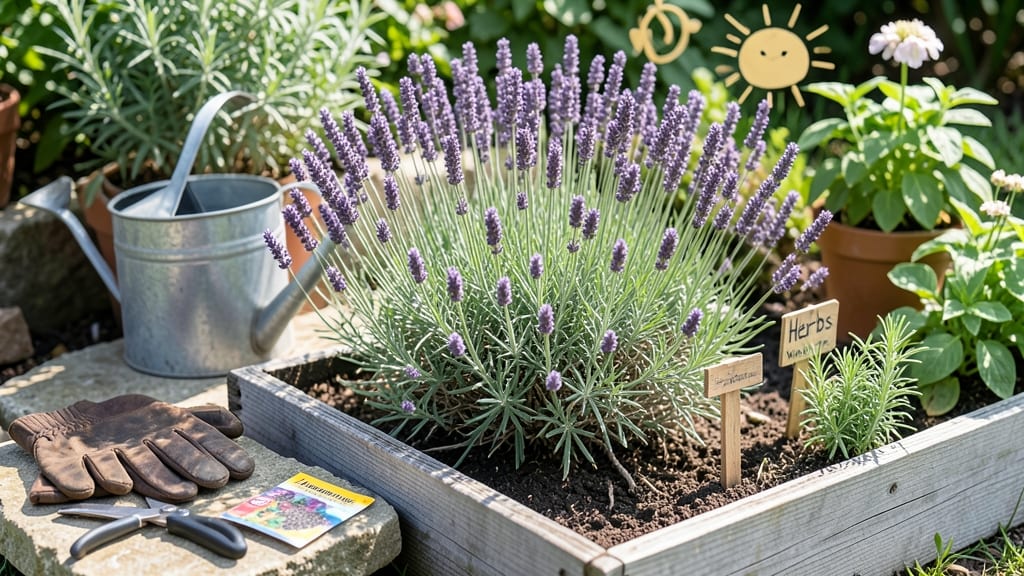
Synonyms for gardening include horticulture, plant cultivation, and green thumb work, while hobbyists may call it gardening, landscaping, or yard care depending on the focus and scale of the project.
Gardening terminology varies widely based on whether you're a scientist, a professional landscaper, or a weekend hobbyist. 🌱 Horticulture, for example, refers to the broader study of plant cultivation—including commercial farming and scientific research—while terms like "green thumb work" highlight the skillful, hands-on nature of the craft.
Landscaping leans more toward aesthetic design, whereas "yard care" focuses on maintenance tasks. These distinctions help clarify whether someone is talking about growing food, beautifying outdoor spaces, or conducting botanical research.
Regional slang adds another layer of complexity. In the UK, you might hear "allotment gardening" for community plots, while Australians often use "veggie patch" for home gardens. Even within the U.S., terms like "tending the plot" or "backyard farming" reflect cultural nuances.
Understanding these variations helps you communicate effectively, whether you're sharing tips with a global audience or debating the best approach to your own garden project.
💡 In This Article
- Horticulture vs Gardening: Key Differences in Terminology
- Regional and Cultural Gardening Terms Explained
Horticulture vs gardening: key differences in terminology
The distinction between gardening and horticulture boils down to scope and purpose.
Horticulture is a scientific discipline focused on plant cultivation, breeding, and management—think of it as the study of plants for food, medicine, and ornamental use. 🌿 When professionals discuss floriculture (flower farming) or arboriculture (tree care), they're referencing specialized branches of horticulture that require precise botanical knowledge.
Gardening, on the other hand, is the practical application of these principles, often at a smaller scale for personal enjoyment or subsistence.
Horticulture involves controlled environments, like greenhouses or research labs, where variables like soil pH (6.0-7.0 for most plants), light exposure (6-8 hours of sunlight daily), and irrigation systems are meticulously managed. 🌱 In contrast, gardening is more flexible—it can happen in backyard plots, urban balconies, or even repurposed containers, with less emphasis on scientific precision.
For example, a horticulturist might study how mycorrhizal fungi improve root systems in tomatoes, while a gardener simply adds compost to boost growth without diving into the microbiology.
Professional contexts further refine these terms. Olericulture focuses on vegetable production, pomology on fruit trees, and viticulture on grapes—each with its own set of techniques and tools. 🍎 Meanwhile, gardeners might use broader terms like "plant care" or "seasonal planting" without needing to categorize their work into these specialized fields.
This is why a botanist might call their work "horticultural research," while a backyard enthusiast simply refers to their efforts as "gardening."
Another key difference lies in the tools and technologies used.
Horticulture often employs high-tech solutions, such as hydroponic systems or genetic modification, whereas gardening relies on more traditional methods like hand-weeding or composting. 🌱 For instance, a commercial horticulturist might use drip irrigation with soil moisture sensors, while a gardener might water by hand based on visual cues.
These distinctions highlight why the terms aren't interchangeable—one is a science, the other a craft.
Even within gardening, subcategories emerge based on focus. Organic gardening emphasizes chemical-free methods, permaculture designs self-sustaining ecosystems, and container gardening adapts to limited spaces. 🌿 These variations show how gardening can be both an art and a science, depending on the gardener's goals.
Understanding these nuances helps you choose the right term for your project—whether you're discussing soil health with a scientist or sharing tips with fellow plant lovers.