
Tools
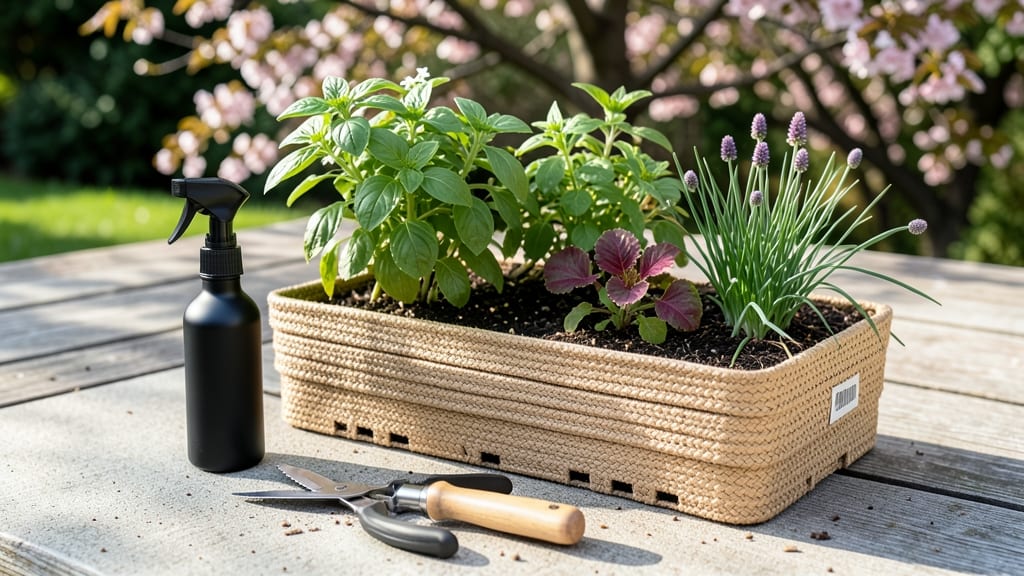
A to-go garden transforms portable planters into a compact growing system for herbs, greens, or microgreens, ideal for balconies, windowsills, or tiny spaces. Simply use seed pods, quality soil, and consistent sunlight to enjoy harvests in weeks without needing a traditional garden.
A to-go garden is designed to maximize efficiency in limited spaces by using vertical or modular growing systems.
These kits often include built-in watering solutions like wicking mats or self-watering reservoirs, which reduce maintenance while ensuring plants receive consistent moisture. 🌱 The real magic happens with light exposure—most systems work with natural sunlight but can be enhanced with affordable LED grow lights for faster growth, especially in shadier conditions.
Whether you're growing basil for pesto or arugula for salads, the key is selecting fast-maturing varieties that thrive in these controlled environments.
For beginners, I recommend starting with fabric grow bags or stackable modular trays, which are lightweight and offer excellent drainage. Pair these with seed pods (like those from companies such as Click & Grow or Sprout) and a well-draining potting mix designed for container gardening.
A small hand pruner and a spray bottle for misting will cover your basic tool needs, while a grow light becomes essential if your space lacks direct sunlight for 6+ hours daily.
💡 In This Article
- How Portable Gardening Systems Work for Small Spaces
- Essential Supplies for Launching Your First To-Go Garden
How portable gardening systems work for small spaces
Portable gardening systems leverage two core mechanisms to thrive in limited spaces: optimized plant spacing and efficient resource delivery. Vertical gardening stacks plants upward, maximizing square footage—think of a 12-inch-tall tower planter holding 10 basil plants where a traditional plot might fit only 2.
This vertical approach isn't just about space; it creates microclimates where air circulates differently, reducing fungal risks while maintaining humidity for leafy greens. The key is using modular trays with 1-2 inch spacing between plants, which mimics natural forest understory conditions where plants grow close but compete less for light.
Watering systems in these kits often use passive methods like wicking mats or self-watering reservoirs that maintain consistent moisture without daily attention.
A wicking system, for example, uses a cotton mat that draws water upward from a reservoir below, delivering hydration through capillary action—similar to how plants absorb water from soil.
This method reduces overwatering by 30-40% compared to manual watering, which is critical for herbs like cilantro that rot easily when soggy. For hydroponic systems, nutrient-rich water circulates through the roots every 15-30 minutes, delivering precise nourishment without soil.
Light intensity becomes the game-changer in small-space growing. Most portable systems require 6-8 hours of direct sunlight daily, but LED grow lights can supplement when natural light falls short. A 10-watt LED panel (blue spectrum for greens, red for flowering) placed 6-12 inches above plants can replace sunlight entirely.
The science here is fascinating: plants use photosynthetically active radiation (PAR) between 400-700 nanometers—blue light boosts chlorophyll production, while red light triggers flowering. Without proper light, even the hardiest microgreens like radish sprouts will grow leggy and pale, with 50% less nutritional value.
Temperature control is another hidden factor. Most portable gardens perform best between 60-75°F, but herbs like mint thrive at 65°F while peppers need 75-85°F.
A thermometer probe in your setup helps avoid cold shocks (below 50°F) that stunt growth or heat stress (above 85°F) that causes wilting.
The compact nature of these systems means they heat up faster in direct sun—this is why fabric pots (which breathe better than plastic) are often recommended for summer growing.
Consider this real-world example: A Click & Grow Smart Garden uses a closed-loop hydroponic system where water and nutrients recirculate through a sealed pod. The system's 16W LED array provides full-spectrum light, and the built-in timer ensures plants get 12-16 hours of light daily.
This setup can grow a full basil plant in 30 days—half the time of soil-based methods—because the roots receive oxygen and nutrients continuously without competition from weeds or soil-borne pathogens.
For DIY enthusiasts, repurposing materials like hanging shoe organizers or stackable plastic crates can create similar vertical systems.
The critical difference between successful and failed setups often comes down to drainage: No planter should hold standing water for more than 30 minutes after watering, or root rot will set in within 5-7 days. 🌱