
Tools
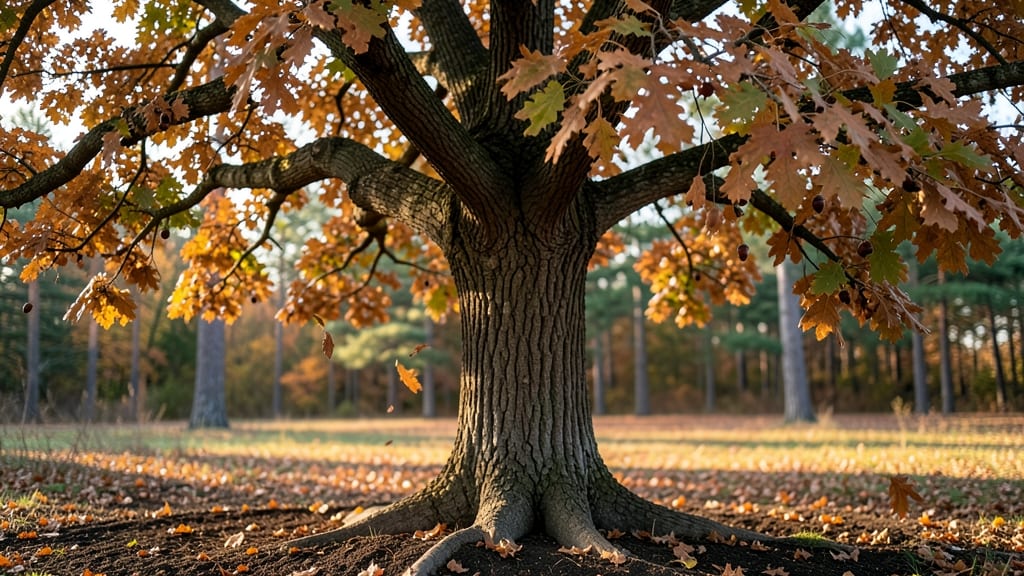
Tomatoes are to a garden what trees are to a forest ecosystem—foundational plants that create structure, nourish other species, and sustain the entire system through their growth and interactions.
A garden's tomato plants function like a forest's towering oaks, providing essential framework that supports all other life. 🌱 They act as primary producers, converting sunlight into energy that fuels the entire ecosystem, while their sprawling vines create natural shade for heat-sensitive companions.
The analogy extends to pollination too—just as trees host birds and insects, tomato flowers attract bees and butterflies that cross-pollinate neighboring plants. This interconnected system mirrors how forests maintain biodiversity through layered growth patterns, from towering canopies to ground-covering roots.
What makes this comparison particularly valuable is how it translates to practical gardening strategies. For example, just as forests have understory plants that thrive in filtered light, gardeners can plant basil or lettuce beneath tomato vines to optimize space.
The deep roots of tomato plants also improve soil structure, much like how forest trees prevent erosion through their extensive root networks. This ecological thinking transforms gardening from mere plant arrangement into ecosystem design.
💡 In This Article
- How Tomatoes Function Like Forest Canopy Trees
- Designing a Garden Ecosystem with Tomato-Tree Analogies
How tomatoes function like forest canopy trees
Tomatoes act as your garden's primary producers, just like canopy trees in a forest. Their broad leaves capture sunlight with an efficiency of about 95% during peak growth, converting it into energy through photosynthesis—similar to how towering oaks or maples dominate a forest's energy capture.
The sprawling vines create a natural canopy that can reduce ground temperatures by 10-15°F during hot afternoons, just as forest canopies moderate microclimates for understory plants. 🌿 This shade protection allows heat-sensitive companions like lettuce or spinach to thrive beneath tomato plants, creating a vertical ecosystem that maximizes space.
Their growth patterns mirror forest structure through three distinct layers: the main stem (trunk), lateral branches (canopy), and fruit clusters (fruits). Each tomato plant develops a 3-5 foot vertical structure when properly trellised, while indeterminate varieties can grow even taller—similar to how forest trees develop multiple growth layers.
The flowers attract pollinators like bees and butterflies, which then move to neighboring plants, creating a pollination network much like how forest trees support entire insect populations through their blooms.
What makes tomatoes particularly effective as garden anchors is their root system. While surface roots spread about 1-2 feet wide, deeper roots can extend 3-4 feet downward, improving soil aeration and water retention—just as forest trees prevent erosion through their extensive root networks.
This root activity also releases organic compounds that suppress harmful fungi, a natural defense mechanism akin to forest floor mycorrhizal networks that protect understory plants.
Their fruiting process further mirrors forest ecosystems. A single tomato plant can produce 20-30 pounds of fruit in a season, providing food for gardeners while also attracting wildlife like birds and squirrels that disperse seeds.
This abundance creates a food web similar to how forest trees support entire communities through their fruit production. Even the plant's natural defenses—like producing sticky hairs that deter pests—parallel how forest trees develop bark or chemical defenses against herbivores.
Consider the sensory experience: walking through a thriving tomato garden feels like strolling beneath a forest canopy.
The rustling leaves create a soft white noise, the scent of ripe tomatoes mingles with earthy soil aromas, and the dappled sunlight filtering through the vines creates a similar visual effect to forest understory lighting. This multi-sensory parallel demonstrates how tomatoes create a complete micro-ecosystem within your garden space. 🌱
The key difference from trees lies in their growth rate—tomatoes mature in 60-80 days compared to decades for trees—but their ecological functions remain strikingly similar. This rapid growth makes them ideal for creating instant garden structure and biodiversity support, proving that even annual plants can function as ecosystem anchors.