
Tools
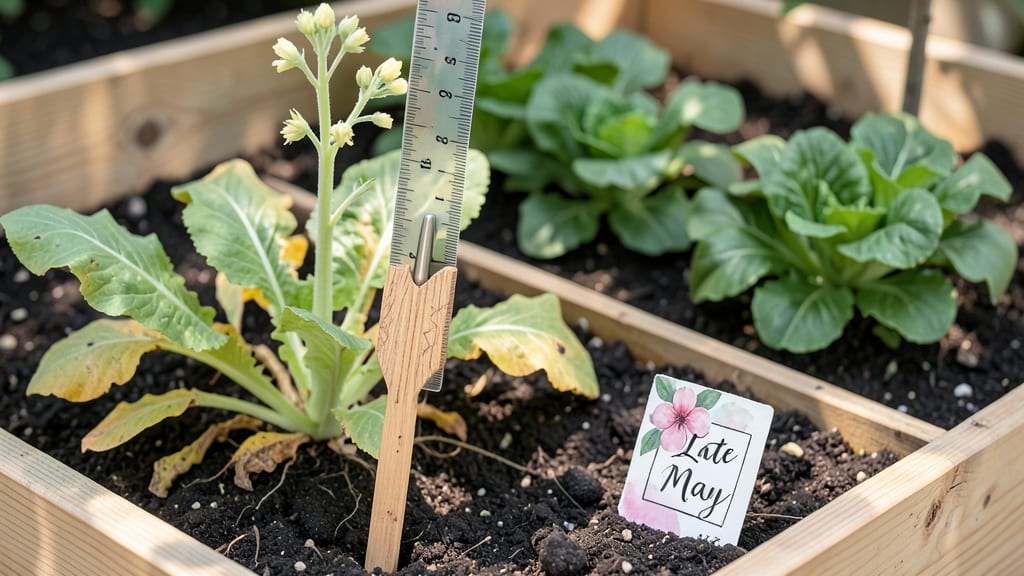
Bolting in gardening means leafy vegetables and herbs quickly grow a tall flower stalk, causing the leaves to become bitter and inedible as the plant prioritizes reproduction over leaf production. This happens due to stress, heat, or natural aging in crops like lettuce and spinach.
This sudden growth spurt isn't just about flowers—it's the plant's biological response to survive. 🌱 When exposed to heat waves or longer daylight hours, many leafy greens shift their energy from producing tender leaves to creating seeds.
Even mature plants may bolt as they reach the end of their natural lifecycle. The result? Bitter-tasting leaves that are no longer ideal for eating, which is why gardeners often struggle to keep their greens fresh for harvest.
Understanding this process helps you choose the right varieties and adjust your growing conditions. For example, arugula bolts faster than kale, so timing your plantings carefully makes all the difference. The key is to monitor your garden's conditions and act before the plant decides it's time to flower.
💡 In This Article
- Why Plants Bolt: Stress Triggers and Environmental Factors
- Preventing Bolting in Your Garden: Best Practices for Leafy Greens
Why plants bolt: stress triggers and environmental factors
Bolting happens when plants detect environmental cues signaling it's time to reproduce. The primary trigger is heat stress—when temperatures rise above 75°F (24°C) for extended periods, many leafy greens like lettuce and spinach perceive this as a signal to flower before the growing season ends.
This is especially true for cool-season crops that evolved in temperate climates where summer heat would otherwise kill them before they could reproduce.
Day length, or photoperiod, plays a crucial role too. Plants like arugula and radish are short-day plants, meaning they bolt when daylight exceeds 12-14 hours. In summer, longer days naturally trigger this response. Even genetic factors matter—some varieties are hardwired to bolt faster than others.
For example, leaf lettuce may bolt in 45-60 days under ideal conditions, while romaine can take 70-90 days. The plant's internal clock, called the vernalization pathway, also activates after exposure to cold temperatures, making spring and fall plantings more reliable for leaf production.
Water stress accelerates bolting too. When soil dries out, plants perceive this as a survival threat and shift energy to seed production. This is why consistent 1-2 inches of water per week is critical—lettuce roots only penetrate 6-12 inches deep, so drought stress hits fast.
Even overwatering can cause problems by leaching nutrients, which weakens the plant and triggers the same stress response. The result? Bitter, tough leaves and that telltale flower stalk shooting up like a weed.
Nutrient deficiencies also contribute to premature bolting. A lack of nitrogen (the "leaf" nutrient) forces plants to prioritize reproduction over growth. This is why balanced fertilizers with 10-20-10 ratios work best—too much phosphorus or potassium can actually accelerate flowering.
Even soil pH matters: most leafy greens prefer 6.0-7.0 pH, but acidic soils (below 6.0) can stress plants and trigger bolting.
What's fascinating is how these factors work together. For instance, a 78°F (26°C) day combined with 15-hour daylight and dry soil creates the perfect storm for bolting in arugula. The plant's survival instincts override its leaf production, making it nearly impossible to reverse once the flower stalk appears.
That's why gardeners must monitor multiple environmental factors simultaneously to keep greens in their prime eating stage.
Understanding these triggers helps explain why some gardeners struggle year after year with bolting. It's not just about heat—it's the combination of heat, light, water, and nutrients that creates the perfect conditions for this biological response. 🌿