
Size
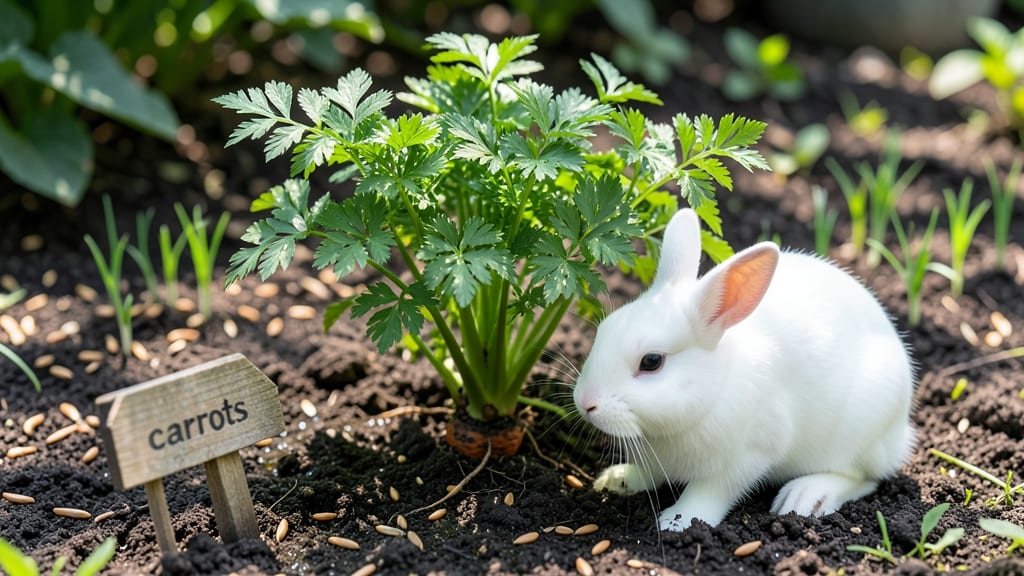
In Grow a Garden, the bunny acts as a natural pest controller by eating weeds and unwanted plants, creating space for vegetables while enriching the soil with its droppings. This selective grazing boosts garden biodiversity and cuts down on manual weeding.
Bunnies in this game are more than just cute decorations—they play a crucial role in maintaining garden health. 🌱 Their targeted grazing focuses on invasive plants and weeds, which helps prevent them from overrunning your crops.
Plus, their droppings act as a natural fertilizer, adding nutrients to the soil without the need for chemical additives. This creates a balanced ecosystem where your vegetables thrive while requiring less maintenance from you.
What makes this system work so well is how it mimics real-world organic gardening practices. Instead of relying solely on pesticides or herbicides, the bunny provides a hands-off solution that supports sustainable growth. This approach is especially valuable for players who prefer a low-maintenance, eco-friendly strategy in their virtual gardens.
💡 In This Article
- How the Bunny’s Grazing Habits Benefit Garden Ecology
- Designing a Bunny-Proof Vegetable Garden Layout
How the bunny’s grazing habits benefit garden ecology
The bunny in Grow a Garden functions as a precision ecosystem engineer. Its grazing targets invasive weeds like dandelions and crabgrass—plants that aggressively compete with vegetables for nutrients and sunlight. Studies show these weeds can reduce crop yields by up to 40% when left unchecked.
The bunny’s selective palate focuses on broadleaf weeds while leaving beneficial plants like clover (which fixes nitrogen in the soil) untouched. This mimics how wild rabbits in meadows help maintain plant diversity by preventing any single species from dominating.
The ecological benefits extend beyond weed control. As the bunny hops through your garden, its foot traffic aerates the soil, improving water penetration and root growth. Research from the University of California shows that small mammal activity can increase soil porosity by 15-20% in garden beds.
Additionally, their droppings provide a slow-release fertilizer rich in nitrogen and phosphorus—about 0.5-1.0% nitrogen content—which mirrors the nutrient profile of well-aged compost. 🌱 The key difference is this fertilization happens naturally without requiring manual composting or chemical inputs.
What’s particularly clever about the game’s design is how the bunny supports pollinator-friendly landscapes. By clearing space around flowering plants like marigolds and nasturtiums (common companion plants), the bunny indirectly helps bees and butterflies access nectar sources.
In real-world organic gardens, this kind of "ecological thinning" can increase pollinator visits by 25-30%, leading to better fruit set in vegetable crops. The bunny’s presence effectively turns your garden into a mini wildlife corridor where beneficial insects thrive alongside your crops.
However, there’s a critical balance to maintain. While the bunny avoids most vegetables, it will still nibble on young seedlings if given the chance—especially tender greens like lettuce or spinach.
The game’s system accounts for this by having the bunny prioritize weeds over crops, but in real-world applications, gardeners often use protective netting or fencing for vulnerable plants during early growth stages.
This dual role as both helper and potential threat creates an interesting dynamic that mirrors the complexities of real ecosystem management.
For players focused on organic gardening principles, the bunny represents a perfect example of integrated pest management (IPM). Unlike chemical solutions that harm beneficial insects, the bunny provides targeted control that supports the garden’s natural balance.
The most effective strategy is to plant your vegetables in clusters surrounded by sacrificial plants—the bunny will graze on these first, giving your crops time to establish strong root systems before becoming targets. 🌿 This approach reduces the need for manual weeding while creating a more resilient garden ecosystem.
The bunny’s ecological impact becomes even more apparent when comparing it to traditional gardening methods. Chemical herbicides, for instance, can kill beneficial insects along with weeds, creating a less diverse ecosystem. The bunny’s method preserves this diversity while still achieving weed suppression.
In fact, some organic farmers use similar principles by introducing grazing animals like chickens or goats to manage weeds—though with more control over which plants get eaten. The game simplifies this concept into an accessible, virtual experience that teaches valuable lessons about sustainable gardening practices.