
Pruning
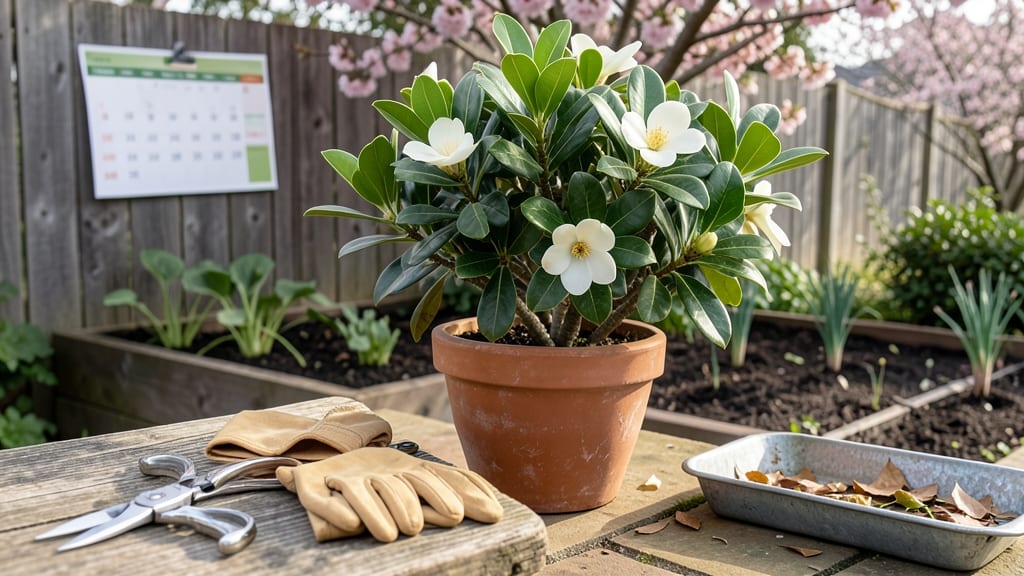
Pruning gardenias at the right time ensures healthier blooms and prevents stress on this delicate 🌸 shrub.
If you’ve ever pruned your gardenias in summer and watched them struggle to rebound—or worse, lose their signature fragrance—you’re not alone. The key to lush, fragrant blooms lies in timing, and late winter is the only season that works for most climates.
Gardenias thrive in General (Tropical/Subtropical Regions), but even in colder zones (like 9-11 or indoors), the rules are the same: prune after dormancy but before new growth. Miss this window, and you risk stunted blooms or even plant decline.
Below, I’ll walk you through the exact steps—when to prune, what tools to use, and how to shape your gardenia for maximum blooms—so you can enjoy those iconic white flowers year after year.
Late winter pruning: the optimal season for gardenia care
If your gardenias are struggling to produce those fragrant white blooms year after year, the issue likely starts with pruning timing. Unlike many shrubs, gardenias bloom on old wood, meaning last year's growth holds next season's flowers.
Pruning at the wrong time—like after blooming or during dormancy—can sacrifice next year's flowers for a quick shape-up. The late winter window is your golden opportunity to stimulate new growth while preserving flower buds.
This precise timing isn't just about avoiding frost—it's about capturing the plant's natural cycle. Gardenias enter dormancy in late fall, but they don't fully wake until late winter when daytime temperatures consistently stay above 50°F (10°C).
Pruning too early risks frost damage to fresh cuts, while waiting too long means you'll miss the pre-bloom growth surge that fuels abundant flowers. Let's break down the exact conditions that signal it's time to prune.
| Condition | Specification | Action |
|---|---|---|
| Temperature Range | 45-55°F (7-13°C) | Prune when night temps stay above 40°F (4°C) |
| Growth Stage | Pre-bud swell | Look for tight buds but no new leaves |
| Regional Adjustment | USDA Zones 7-9 | Wait until late February to avoid frost |
| Regional Adjustment | USDA Zones 10-11 | Prune in January-February before spring rains |
| Critical Sign | Bud formation | Prune 2-3 weeks before buds swell visibly |
| Tool Prep | Sterilized shears | Clean with rubbing alcohol to prevent disease |
Your gardenia's dormancy period ends when you notice tight, green buds forming at the branch tips. This is your exact cue to prune—typically 4-6 weeks before these buds begin to swell. In most regions, this falls between late February and early March, but frost dates dictate your schedule.
For example, gardeners in USDA Zone 8 should wait until mid-March when nighttime lows reliably stay above 45°F (7°C).
Here's how to spot the perfect moment: Run your fingers along the branches and look for small, rounded buds that haven't yet begun to elongate. These are next year's flower buds, and pruning now ensures they'll develop fully.
If you see new leaf growth appearing, you've missed the window—pruning then risks removing potential blooms and stimulating only foliage.
Regional adjustments are critical for gardenias, which are sensitive to cold. In warmer climates (Zones 10-11), prune in January to avoid the heavy spring rains that can promote fungal diseases through fresh cuts.
Meanwhile, gardeners in colder zones (7-9) should delay until March when the risk of late frosts has passed. Even a single frost on freshly pruned branches can kill new growth before it starts.
One common mistake is pruning after blooming, which many gardeners do with other shrubs. But gardenias set flower buds on old wood, so cutting back after summer blooms means you'll lose next year's flowers.
Instead, think of late winter pruning as a renewal process: you're removing last year's spent growth to make room for new, vigorous branches that will bear next season's blooms.
This is why the timing is non-negotiable—it's the difference between a sparse few blooms and a lush, fragrant display.
Pro tip: Mark your calendar based on your last average frost date. For most gardenias, this means pruning 6-8 weeks before your typical last frost. If you're unsure, err on the side of waiting—you can always prune slightly later, but you can't recover
Step-by-step late winter pruning guide for maximum blooms
Late winter is the perfect time to prune your gardenias because the plant is dormant but not yet pushing new growth. This 6-week window (typically late February to early April in most climates) ensures your shrub enters spring with energy to focus on blooms rather than recovering from pruning wounds.
Before you grab your shears, gather these essential tools: sharp bypass pruners for clean cuts, sterilized rubbing alcohol (to prevent disease), and a ladder or stool if your gardenia is over 4 feet tall.
I always sterilize my tools between cuts—this prevents bacterial infections that can ruin your plant’s recovery.
Now, let’s dive into the step-by-step process to prune your gardenia for maximum blooms without stressing the plant. Follow these steps closely to avoid common mistakes that lead to fewer flowers.
🌿 Step-by-Step Late Winter Pruning for Gardenias
-
Step 1: Remove Dead or Diseased Branches
Cut out brown, mushy, or hollow branches at the base. These won’t regrow and can harbor pests.
-
Step 2: Prune Crossing or Rubbing Branches
Look for branches that cross or rub against each other. Remove the smaller branch to improve airflow and reduce disease risk.
-
Step 3: Thin Out Overcrowded Areas
Focus on the center of the plant. Thin out 1/3 of the oldest wood to encourage new growth and better light penetration.
-
Step 4: Shape for Airflow and Light
Prune to create an open, vase-like shape. This allows sunlight and air to reach the inner branches, which is crucial for blooming.
-
Step 5: Make Clean Cuts at 45-Degree Angles
Always cut just above a leaf node or bud. Avoid leaving stubs, as they can rot and attract pests.
-
Step 6: Dispose of Prunings Properly
Bag and remove diseased branches from your yard. Healthy prunings can be composted, but avoid adding them to your gardenia’s soil.
-
Step 7: Fertilize Lightly After Pruning
Apply a balanced, acidic fertilizer (like 8-3-9) to encourage new growth. Avoid heavy feeding, as it can stress the plant.
✂️ Pro Tip: Prune on a dry, sunny day to help wounds dry faster and reduce infection risk.
One of the biggest mistakes gardeners make is pruning too aggressively. Gardenias are sensitive shrubs, and over-pruning can lead to fewer blooms or even shock the plant.
Aim to remove no more than 25-30% of the plant’s foliage in one session. If your gardenia looks sparse after pruning, don’t panic—new growth will fill in by summer.
Finally, avoid pruning in fall or summer. Fall pruning can leave your gardenia vulnerable to winter cold, while summer pruning stresses the plant during its blooming season. Stick to late winter, and you’ll reward yourself with healthier, more fragrant blooms all season long.
With these steps, your gardenia will thrive and produce abundant, fragrant flowers—just like the ones you’ve always dreamed of. Happy pruning! 🌸