Planting
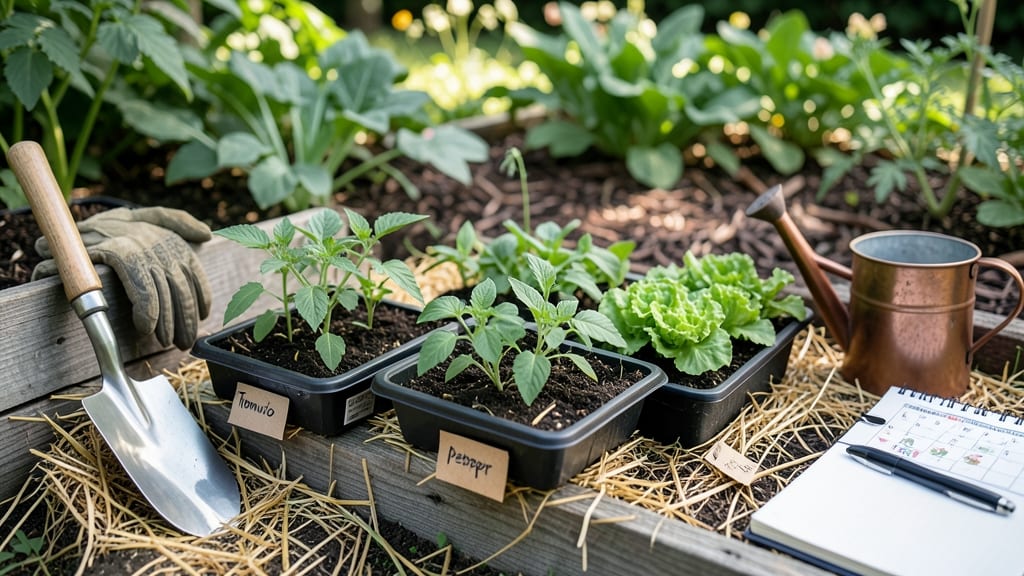
Planting your garden in Tennessee at the right time means the difference between a thriving harvest and wasted effort—especially with USDA zones 6a-7b and those unpredictable spring frosts.
Picture this: You’ve prepped your soil, ordered seeds, and even marked your rows—only to watch tender seedlings freeze overnight. Or worse, you plant too late and end up with bolting lettuce or underripe tomatoes. Tennessee’s climate throws curveballs, but timing is the one thing you can control.
Cool-season crops like broccoli and spinach need to hit the ground 4-6 weeks before your last frost (usually mid-April in most areas), while warm-season favorites like tomatoes and peppers wait until 2-3 weeks after that date.
Throw in regional quirks—like Nashville’s later frosts or the Smoky Mountains’ cooler microclimates—and you’ve got a puzzle worth solving.
Below, I break down the exact months for every major crop, adjust for your specific corner of the state, and share pro tips to stretch your growing season—so you can finally stop guessing and start harvesting.
Tennessee planting zones: exact months for vegetables, flowers, and herbs by region
Tennessee spans USDA Hardiness Zones 6b to 8a, creating microclimates where Memphis (Zone 7b-8a) enjoys longer growing seasons than the Smoky Mountains (Zone 6b-7a). This means your planting schedule should shift based on whether you're in East Tennessee's cooler highlands or Middle/West Tennessee's warmer valleys.
I’ve broken down the exact months to plant your favorite crops, accounting for these regional differences and frost dates.
For cool-season crops like kale, spinach, and broccoli, start seeds indoors 4-6 weeks before your last frost date. In East Tennessee (Zone 6b), that’s typically mid-February to early March, while West Tennessee (Zone 7b-8a) gardeners can begin as late as late February to early March.
Transplant seedlings outdoors 2-3 weeks before last frost, usually mid-March in East TN and late February in West TN.
Warm-season staples such as tomatoes, peppers, and squash should wait until 2-3 weeks after your last frost date. In East Tennessee, this is mid-April to early May, while West Tennessee can plant as early as late March to early April. For a fall harvest, sow warm-season crops in late July to early August—they’ll thrive until the first frost in mid-October.
For perennial herbs like lavender and rosemary, timing matters less—but spring planting (March-April) gives them time to establish roots before summer heat. In East Tennessee’s cooler climate, you can even plant in early fall (September) for a head start.
These drought-tolerant plants thrive in well-draining soil, so amend clay-heavy areas with compost or sand.
If you’re growing flowers for continuous blooms, like zinnias or marigolds, start seeds indoors 4-6 weeks before your last frost. In West Tennessee, that’s as early as late February, while East Tennessee gardeners should wait until early March.
Transplant seedlings outdoors once soil temperatures reach 50°F (10°C), usually mid-April in East TN and late March in West TN.
Don’t forget about fall planting! Many crops, like kale, carrots, and radishes,
How to adjust your planting schedule for Tennessee’s microclimates and soil types
Tennessee’s diverse geography means your garden’s success depends on more than just frost dates. The Smoky Mountains can have 10°F cooler temps than Nashville, while urban heat islands like Memphis push spring planting 2-3 weeks earlier.
Even your soil type—whether it’s clay-heavy in West TN or sandy loam in Middle TN—changes when and how you plant.
If you’ve ever watched seedlings wilt in waterlogged clay or bolt in overheated containers, you know timing isn’t one-size-fits-all. The good news? With a few adjustments, you can extend your growing season by weeks—even months—using row covers, cold frames, or container gardening hacks for patios.
For container gardens on patios or balconies, black plastic pots absorb heat faster than terracotta, giving you a 2-week head start on warm-season crops. Pair them with self-watering bases to avoid drought stress during Tennessee’s humid summers.
Pro tip: Elevate pots to improve drainage if your balcony floods after rain.
If your soil is clay-heavy, mix in compost and perlite before planting to improve drainage. For sandy soils, add organic matter like leaf mold to retain moisture. A simple soil test (available at local extension offices) reveals pH imbalances—aim for 6.0-7.0 for most vegetables.
Don’t forget microclimates within your yard. A south-facing wall can add 5-10°F warmth, letting you plant peppers 10 days earlier than the rest of your garden. Use these tricks to stretch your harvest and avoid common pitfalls like frost damage or bolting greens.
With these adjustments, you’ll master Tennessee’s quirks—whether you’re gardening in the Smokies, Nashville basin, or a Memphis heat island. Happy planting! 🌱