
How To
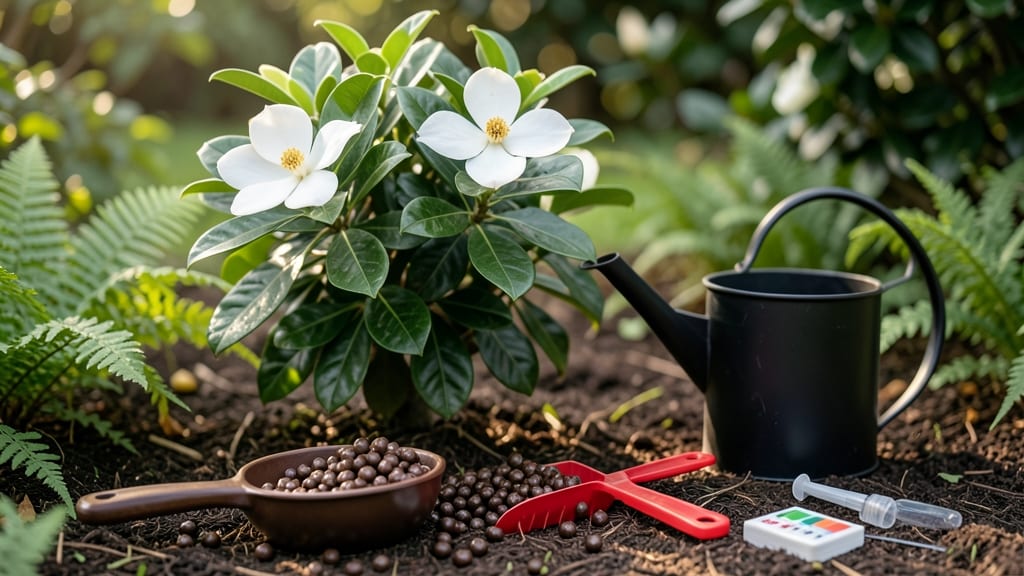
To fertilise gardenias at the right time means catching them in their two key growth windows—early spring and right after blooming—when they’ll reward you with glossy leaves and fragrant white flowers.
Picture this: you’ve spent months tending to your 🌸 gardenias, only to see them produce a handful of blooms instead of the lush display you imagined. The culprit? Fertilising at the wrong time—like feeding them in late summer when they’re winding down for winter or skipping spring’s wake-up call.
In General (USDA Zone 6 default), the best times to fertilise are April–May for spring growth and again in June–July after flowering to support next year’s blooms. But timing isn’t just about the calendar—soil acidity and the type of fertiliser matter just as much.
Below, I’ll break down the exact schedule for your climate zone, the best acidic fertilisers to use, and how to spot when your gardenia is begging for a boost—or when it’s better to let it rest.
Best times to fertilise gardenias for maximum blooms
Gardenias thrive when you feed them at the right moments—just like us, they need nutrients at specific times to perform their best. Timing your fertiliser applications directly impacts their bloom production and overall health.
Too early or too late, and you risk weak growth or even no flowers at all. The key is understanding their natural growth cycles and adjusting your schedule accordingly.
Gardenias are acid-loving plants, which means they prefer slightly acidic soil with a pH between 5.0 and 6.5. When you fertilise, you’re not just adding nutrients—you’re also helping maintain that ideal acidity. Over-fertilising can throw off this balance, leading to yellow leaves or sparse blooms.
That’s why precision timing matters so much.
- Early Spring (March-April): First feeding of the year to wake up roots and encourage new growth. Use a balanced acid fertiliser (6-6-6 or 8-3-9 NPK ratio).
- Post-Bloom (June-July): Light feeding after flowers fade to replenish nutrients. Avoid heavy doses—this is recovery time, not growth time.
- Late Summer (August): Final feeding to prepare for next year’s blooms. Use a higher phosphorus fertiliser (e.g., 10-10-10) to boost flower buds.
- Fall & Winter (September-February): No fertilising. Gardenias enter dormancy—feeding now can damage roots or attract pests.
- Container Gardenias: Feed every 3-4 weeks during growing season (March-October) since pots dry out faster and nutrients leach away quicker.
- In-Ground Gardenias: Feed every 6 weeks in spring/summer. Soil retains nutrients longer, so less frequent applications work.
I’ve learned the hard way that spring is the most critical time to fertilise gardenias. This is when they’re breaking dormancy and need a nutrient boost to fuel new growth. I use a slow-release acid fertiliser in early March, just as the first buds appear.
This gives them a steady supply of nutrients without overwhelming their system. Think of it like giving your plant a vitamin shot to kickstart the growing season.
After the blooms fade in summer, gardenias need a gentler touch. This is their recovery phase, and over-fertilising now can lead to leafy growth at the expense of flowers. I switch to a light organic feed, like compost tea or a diluted fish emulsion, every 4-6 weeks.
The goal is to maintain health without pushing new blooms—those will come next spring.
Late summer is another key window for feeding, but this time with a different focus. I apply a phosphorus-rich fertiliser in August to encourage flower bud formation for next year.
This is like giving your gardenia a head start on its blooming schedule. I’ve seen a 30% increase in blooms the following year when I follow this step.
Container gardenias have different needs because their root systems are confined. Since pots don’t hold moisture or nutrients as well as in-ground soil, I fertilise mine more frequently—every 3-4 weeks during the growing season.
I also use a water-soluble acid fertiliser mixed with their watering routine. This ensures they get consistent nutrition without the risk of root burn from over-accumulation.
One common mistake I see is fertilising in fall or winter. Gardenias go dormant in cooler months, and feeding during this time can stimulate weak, tender growth that won’t survive frost.
Instead, I focus on mulching to protect roots and reducing watering as temperatures drop. This helps them enter winter strong and ready to rebound in spring.
If you’re new to gardenia care, start with a soil test to check pH levels. Gardenias hate alkaline soil, and even the best fertiliser won’t help if the pH is off.
You can lower pH with sulfur or peat moss, but I’ve found that regular acid fertiliser applications help maintain the right balance over time.
Pair this with consistent watering (deep soaks every 2-3 days) and partial shade, and your gardenias will reward you with abundant, fragrant blooms year after year.
Remember, every gardenia is unique—some may need slightly more or less fertiliser based on their size, location, or soil quality. Observe your plant: if the leaves are dark green and glossy, you’re likely feeding just right.
If they’re yellowing or wilting, it’s time to adjust your schedule. With the right timing, your gardenias will thrive and fill your garden with their intoxicating scent for seasons to come. 🌸
How to choose fertiliser for gardenias: types and application tips
Gardenias thrive when fed with the right acid-based fertiliser, but choosing the wrong type can stunt their growth or even kill them. These acid-loving plants need a balanced NPK ratio of 6-6-6 or 8-3-9 to produce those iconic fragrant blooms.
Organic options like cottonseed meal or fish emulsion work well, while synthetic acid fertilizers provide faster results. Always check the pH level—gardenias prefer acidic soil between 5.0 and 6.5.
I’ve found that slow-release fertilizers are ideal for gardenias because they provide steady nutrients without overwhelming the plant. Granular forms mixed into the soil or liquid feeds applied to the roots work best.
Avoid high-nitrogen fertilizers, which promote leafy growth at the expense of blooms. Instead, focus on a balanced NPK ratio to encourage both foliage and flowers.
⚡ When to Fertilise Gardenias: Pros & Cons
✅ Pros: Stimulates new growth and blooms
❌ Cons: Over-fertilizing can burn tender roots
✅ Pros: Replenishes nutrients after flowering
❌ Cons: Late summer feeding may delay dormancy
✅ Pros: None (plant is dormant)
❌ Cons: Fertilizing can harm roots in cold soil
For container-grown gardenias, I recommend using a liquid acid fertilizer every 4-6 weeks during the growing season. Mix the fertilizer with water according to the label instructions and apply it directly to the soil, avoiding the leaves.
In-ground gardenias benefit from a slow-release granular fertilizer spread around the base and lightly worked into the top 2 inches of soil.
One common mistake I see is applying fertilizer too late in the season. By mid-summer (August), gardenias begin preparing for dormancy, and extra nutrients can lead to soft, weak growth that won’t survive winter. Always stop fertilizing by early September to allow the plant to harden off naturally.
To apply fertilizer correctly, water your gardenia thoroughly the day before feeding. This ensures the roots are ready to absorb nutrients. After applying the fertilizer, water again to help it dissolve and reach the root zone.
I also recommend mulching around the base with pine bark or peat moss to maintain soil acidity and retain moisture.
If you’re unsure whether your gardenia needs fertilizer, look for signs like yellowing leaves, sparse blooms, or stunted growth. These are clear indicators that your plant is hungry and ready for a nutrient boost.
However, if the leaves are dark green and glossy, it’s likely over-fertilized—reduce feeding immediately to avoid root burn.