
Container Gardens
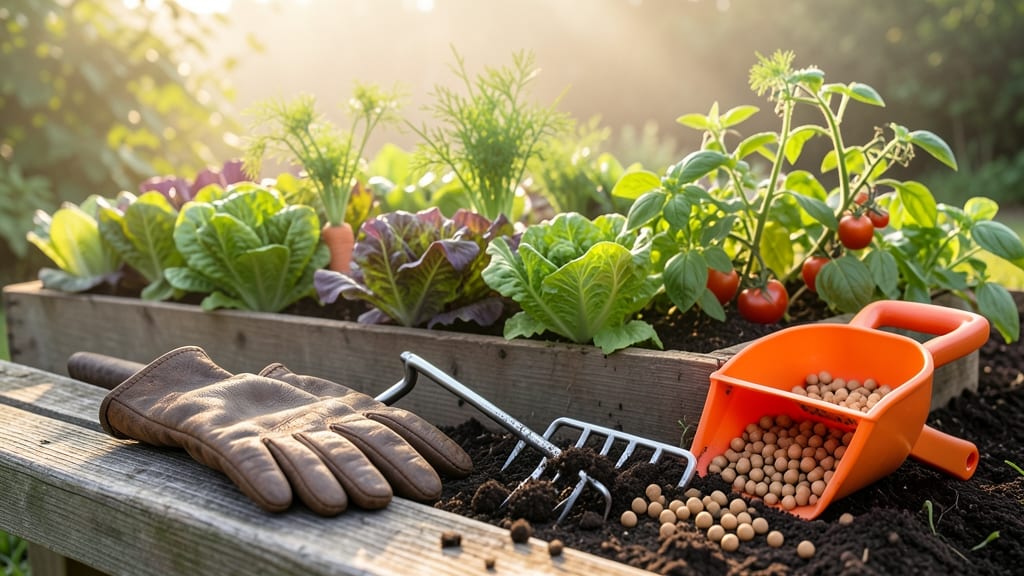
To fertilize garden beds effectively, time it with your plants' growth cycles: feed with organic fertilizer in early spring before planting, repeat mid-season for flowering plants, and skip fall applications to prevent winter burn. Start with a soil test to balance pH and nutrients.
Timing matters because soil microbes become most active in spring when temperatures rise, breaking down organic matter faster. 🌱 I've seen firsthand how a well-timed spring feeding jumpstarts root growth, while mid-season applications support blooming plants.
The key is matching fertilizer types to plant needs—leafy greens benefit from nitrogen-rich feeds, while flowering plants need phosphorus boosts.
Here's a pro tip: avoid fertilizing when plants are stressed, like during drought or extreme heat. Overdoing it can burn roots, especially with synthetic fertilizers. Organic options like compost or worm castings release nutrients gradually, giving plants what they need without the risk of overloading the soil.
For container gardens, I always check soil moisture before feeding—dry soil absorbs nutrients faster. The right timing isn't just about when you apply fertilizer, but also how your plants respond to seasonal changes. That's why I keep detailed planting logs to track what works best each year.
💡 In This Article
- Soil Testing and Seasonal Fertilizer Timing
- Plant-Specific Fertilization Schedules by Growth Phase
Soil testing and seasonal fertilizer timing
Soil microbes act like tiny chefs in your garden, breaking down organic matter into plant-available nutrients. Their activity peaks when soil temperatures reach 50-60°F—typically in early spring—because that's when they multiply fastest.
This is why spring is the perfect window for pre-planting fertilization. 🌱 Cold winter soil slows microbial activity, while summer heat can stress these beneficial organisms.
A soil test reveals exactly what your microbes need: pH levels between 6.0-7.0 create ideal conditions for most plants, while readings outside this range signal nutrient lockout.
Reading soil test results is like getting a report card for your garden. For example, a reading showing low phosphorus (below 20 ppm) means your plants will struggle to develop strong roots and flowers—this is why tomato plants often need a phosphorus boost before blooming.
Conversely, high potassium levels (above 500 ppm) might indicate your soil already has enough for root health. The test also shows organic matter percentage: aim for 5% or higher to ensure microbes have enough food to thrive. Without testing, you might guess wrong and either under- or over-fertilize.
Seasonal timing affects how plants absorb nutrients. In spring, cool soil means nutrients move slowly through the root zone, so a light application of balanced fertilizer (like 10-10-10) gives plants a steady supply as they emerge.
Mid-season feeding with phosphorus-heavy options (like bone meal) supports flowering, but timing matters—apply it when buds form, not after blooms appear. Fall fertilization is risky because active roots can't store excess nutrients for winter, leading to winter burn when frozen soil releases salts.
Here's what most gardeners miss: soil temperature matters more than air temperature. Use a soil thermometer to confirm 55°F+ before fertilizing—cold soil locks nutrients out of reach.
In my own garden, I've seen compost tea applied in 45°F soil fail to stimulate growth, while the same tea worked wonders when soil warmed to 58°F. This is why northern climates often shift fertilization to late spring, while southern gardens can start earlier.
The goal is to sync feeding with microbial activity, not just calendar dates.
Consider these key factors when planning your schedule:
- Soil type: Sandy soils drain nutrients faster, needing more frequent light feedings
- Plant type: Leafy greens need nitrogen early, while fruiting plants need phosphorus later
- Climate zone: Adjust timing by 2-4 weeks north vs south of your location
For container gardens, I test soil every 2-3 years because nutrients deplete faster in limited space. The right timing isn't just about when you feed—it's about creating conditions where your plants can actually use what you provide.
That's why I always pair fertilization with proper watering: nutrients need moisture to move through soil to roots. 💧