
Picking
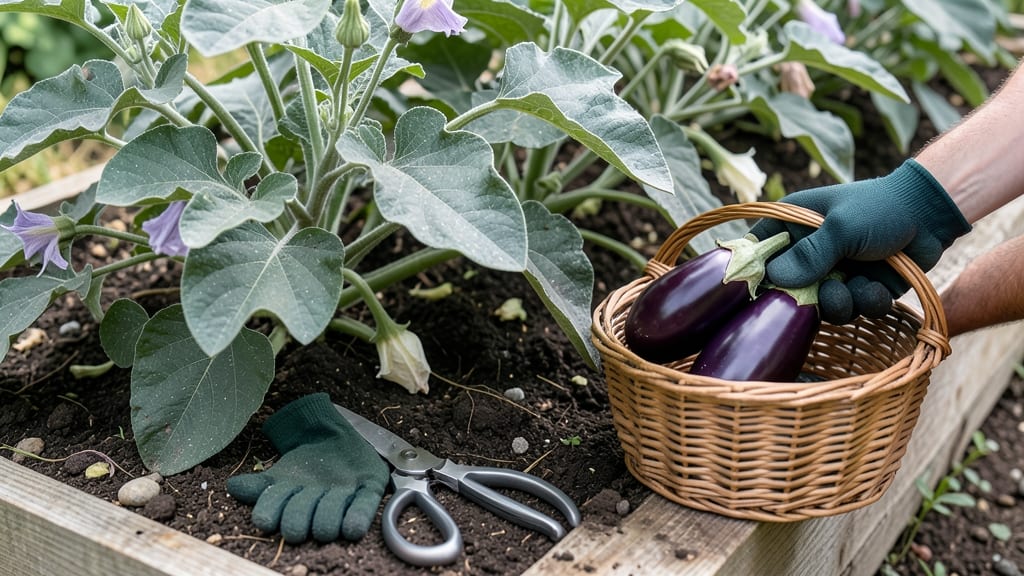
Picking eggplant at the right time ensures the best flavor and texture, and the key is knowing when that moment arrives in your garden.
Harvesting too early means bland, seedy fruit, while waiting too long turns the skin tough and bitter. I’ve learned that the trick lies in three simple tests: size, color, and firmness—each one a clue that your 🍆 is ready to pick.
If you’re growing in Zone 6a or warmer, timing matters even more. Eggplants ripen faster in heat, so you’ll need to check them weekly once they start flowering. Miss the window, and you’ll end up with overripe fruit that’s past its prime.
Below, I’ll walk you through the exact signs to look for, plus how to adjust for your climate and store your harvest so it stays fresh longer. No more guesswork—just perfect eggplants every time.
How to test eggplant ripeness: 3 key signs for perfect harvest
Eggplants thrive when harvested at the exact right moment, balancing flavor, texture, and yield. Many gardeners make the mistake of waiting too long, resulting in leathery skin and bitter taste. The key lies in three simple but critical tests: size, color, and firmness.
These indicators work for all varieties—whether you're growing Black Beauty, Ichiban, or Fairy Tale eggplants.
Start by examining the fruit's size. Most eggplants reach maturity between 6-12 inches in length, depending on the variety. For example, Fairy Tale eggplants typically stay on the smaller side (6-8 inches), while Black Beauty can grow up to 12 inches.
If your eggplant hasn't reached this threshold, it's not ready yet—even if the color looks deep.
🌱 Numbered Highlights: 3 Signs of Perfect Eggplant Ripeness
- 1. Purple Shoulder Development: Look for a deep purple (or variety-specific color) shoulder where the fruit meets the stem. This indicates full maturity and peak sweetness.
- 2. Firm Skin with No Soft Spots: Gently press the eggplant—it should feel firm like a ripe avocado, not soft or spongy. Overripe fruit will dent easily.
- 3. Stem Snaps Cleanly: Grasp the stem near the fruit and bend it slightly. If it snaps cleanly, the eggplant is ready. A green stem end means it’s underripe.
Color is another critical clue, but it varies by variety. Purple eggplants should develop a deep, even hue without green streaks. White varieties like Casaba will turn creamy with a slight yellow tint, while black eggplants (like Black Krim) should have a glossy, matte-black finish.
Uneven color often means the fruit needs more time on the vine.
Don’t rely solely on color—firmness is the most reliable test. A ripe eggplant should resist gentle pressure from your thumb. If it leaves a dent, it’s overripe. Pro tip: Check firmness in the morning when the fruit is cool and hydrated.
Avoid testing after heavy rain, as excess moisture can make the skin feel softer than it is.
Timing matters too. Most eggplants mature between 75-120 days after transplanting, depending on the variety. In warm climates (Zones 9-11), you can harvest as early as July, while gardeners in cooler regions (Zones 3-7) may not see ripe fruit until September or October.
Always harvest before the first frost, as cold temperatures turn eggplants mushy and inedible.
Common mistakes include picking eggplants that are too small (underdeveloped flavor) or too large (bitter, seedy). Pay attention to the stem end: it should turn yellow or brown, not stay green.
If you’re unsure, harvest a few test fruits—you can always use them in cooked dishes even if they’re slightly underripe.
Once you’ve mastered these tests, you’ll never miss the perfect harvest window again. Remember, the goal is to pick eggplants when they’re firm, fully colored, and at the right size.
This ensures the best flavor, texture, and storage life. Store harvested eggplants at room temperature for up to a week or refrigerate for longer shelf life.
Now that you know the signs, grab your pruners and start testing your eggplants! The first bite of a perfectly ripe eggplant—tender, sweet, and rich—is worth every moment of patience. Happy harvesting! 🍆
Eggplant harvesting timeline: month-by-month guide by variety
Eggplants thrive in warm weather, but their ripening timeline varies by variety and climate zone. In Zone 6a, most varieties like Black Beauty and Ichiban reach harvest readiness between late July and October, while Fairy Tale (a smaller heirloom) matures faster.
The key is tracking flowering dates and adjusting for heat or cool spells.
If you're in a warmer zone (7+), eggplants may ripen 2-4 weeks earlier, while cooler climates (Zone 5 or below) can delay harvests by 3-5 weeks. I’ve found that container-grown eggplants also mature slightly faster due to better heat absorption.
Plan ahead by starting seeds indoors 6-8 weeks before your last frost for a head start.
Here’s your month-by-month breakdown for three popular varieties, including how to adjust timing based on your growing conditions:
To accelerate harvests in hot climates, I recommend pruning lower leaves to improve airflow and watering deeply every other day. This encourages faster fruit development.
Conversely, in cooler zones, use black plastic mulch or row covers to extend the growing season by 2-3 weeks and protect blossoms from frost.
If your eggplants are flowering but not fruiting, try a light hand-pruning of new growth to redirect energy to existing fruit. I’ve also had success with a calcium spray (like crushed eggshells) to prevent blossom-end rot, which can delay ripening.
Always harvest in the morning when skin is firmest for the best texture.
Once harvested, store eggplants at room temperature for up to 5 days or refrigerate (unwashed) for 1-2 weeks. For long-term storage, freeze whole or sliced—just blanch first to preserve color. Pro tip: Label varieties with plant markers if growing multiple types to avoid confusion during harvest!