
Planting
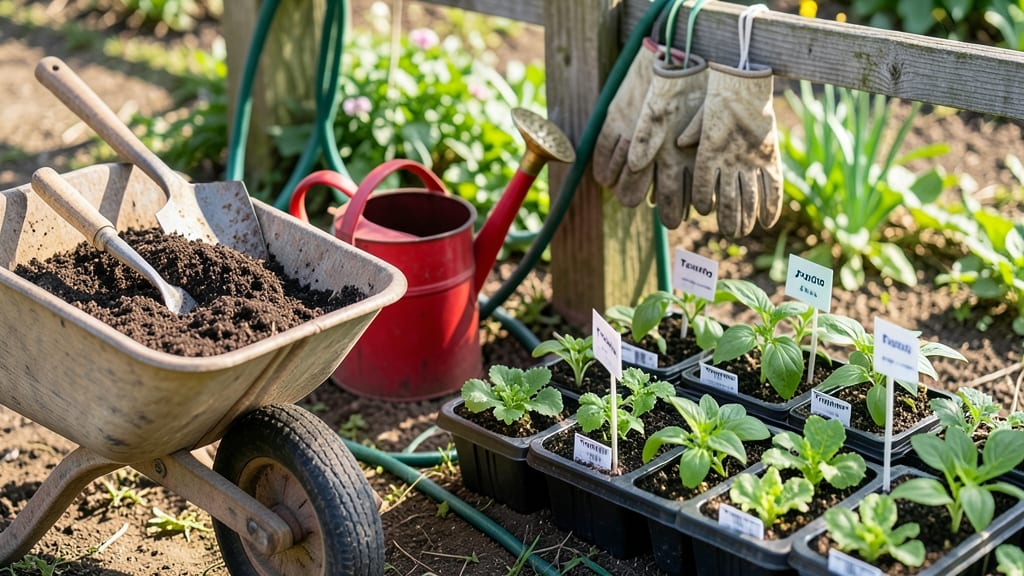
Planting a garden in Tennessee at the right time means the difference between a bountiful harvest and a frost-nipped disappointment — and those windows shift from the mountains to the Smokies to the Delta.
Tennessee’s diverse climate—from the humid South to the cooler Appalachian highlands—means your garden’s success hinges on timing. Plant too early, and frost will wipe out your tender seedlings; too late, and your harvest arrives when pests and heat peak.
Whether you’re sowing cool-season greens in early spring or waiting for soil to warm before tomatoes, knowing your region’s last frost date is the key. East Tennessee’s high elevations can hold frost until mid-April, while West Tennessee’s flatter lands may be safe by mid-March.
Below, I break down the exact planting schedule for your crops, from lettuce to peppers, plus how to adjust for Tennessee’s unpredictable weather—so you can finally grow what you’ve always wanted.
Tennessee frost dates by region: when to start planting cool vs warm-season crops
Tennessee’s three distinct regions—East, Middle, and West—each have unique frost dates that dictate when to plant your garden. The Appalachian Mountains in East Tennessee create cooler microclimates, while the Mississippi River valley in West Tennessee enjoys longer growing seasons.
Understanding these patterns helps you avoid frost damage to tender seedlings like tomatoes and peppers while maximizing harvests of cool-season crops like lettuce and spinach.
For most of Tennessee, the average last frost date falls between mid-April and early May, but exact timing varies by USDA hardiness zones (5b-7a).
East Tennessee’s higher elevations (zones 5b-6a) often see frost until May 15, while West Tennessee’s warmer zones (6b-7a) can plant outdoors as early as March 30. Middle Tennessee typically aligns with the state average, around April 15.
Here’s how these frost dates translate into planting windows for your cool-season crops (like kale and peas) versus warm-season crops (like tomatoes and peppers). Cool crops thrive in 50-65°F soil and can handle light frosts, while warm crops need soil temperatures above 60°F and won’t tolerate frost.
Use this region-specific comparison to plan your garden. For example, in East Tennessee, start spinach indoors in February for an early spring harvest, but wait until mid-May to plant tomatoes outdoors. In West Tennessee, you can sow okra seeds directly in late April without worrying about frost.
🌱
For cool-season crops like lettuce, spinach, and peas, aim to plant 4-6 weeks before your last frost date. In East Tennessee, this means starting seeds indoors in late February for a spring harvest.
In West Tennessee, you can sow directly outdoors as early as late January in sheltered microclimates. Use row covers to extend the season if frost threatens.
Warm-season crops like tomatoes, peppers, and cucumbers need to wait until after your last frost date and when soil temperatures reach at least 60°F. In East Tennessee, this typically means mid-May, while West Tennessee gardeners can plant as early as late March.
Use a soil thermometer to confirm readiness—cool soil will stunt growth.
Don’t forget about fall planting! Tennessee’s first frost usually arrives between October 15 and November 15, depending on the region. This is perfect for cool-season crops like broccoli and kale, which thrive in cooler weather.
Plant seeds 8-10 weeks before your first frost date for a late harvest.
Pro tip: Adjust for microclimates. South-facing slopes warm up faster, while low-lying areas hold frost longer. If you’re unsure, check the Tennessee State University Extension Service for localized frost data or use a frost calendar app to track trends in your area.
🌿
For container gardening, warm-season crops can be planted 2-3 weeks earlier than in-ground plants because containers warm up faster. Place pots in sunny, sheltered spots and use black plastic mulch to raise soil temperatures. This is especially helpful in East Tennessee’s cooler zones.
Finally, keep an eye on weather forecasts in late spring. A late frost can still occur, so have frost cloth or row covers ready to protect tender seedlings. With the right timing, you’ll enjoy a bountiful harvest from spring greens to summer tomatoes—no matter where in Tennessee you garden!
☀️
Best planting schedule for Tennessee’s top 10 garden crops (with seedling vs direct-sow tips)
Tennessee gardeners know timing is everything—especially when balancing cool-season crops like collards with heat-loving varieties such as okra. The key? Start seedlings indoors 6-8 weeks before your region’s last frost, while direct-sowing hardy crops as soon as soil reaches 50°F.
Below, I’ve mapped out the ideal planting windows for Tennessee’s top 10 crops, including whether to begin indoors or sow straight into the garden.
For East Tennessee’s cooler microclimates (USDA Zones 6-7), aim for March-April starts for cool crops, while West Tennessee’s warmer zones (7-8) can begin 2-3 weeks earlier. Always check your local frost-free date—Middle Tennessee typically falls between April 15-30, but microclimates can shift this by weeks.
Pro Tip: Use succession planting for crops like bush beans and lettuce—sow every 2-3 weeks to extend harvests through summer and fall.
| Crop | Planting Method | Best Months | Succession Notes |
|---|---|---|---|
| Collard Greens | Direct Sow | March-April, August-Sept | Sow every 2 weeks for fall harvest |
| Tomatoes | Start Indoors | March-April (transplant May) | Use cold frames for early starts |
| Okra | Direct Sow | June-July | Needs soil temps above 75°F |
| Sweet Corn | Direct Sow | April-May, July-August | Plant in blocks, not rows |
| Cucumbers | Start Indoors | April-May (transplant June) | Trellis for space-saving growth |
| Bush Beans | Direct Sow | May-June, July-August | Sow every 3 weeks for continuous pods |
| Lettuce | Direct Sow | March-April, August-Sept | Use shade cloth in summer |
| Peppers | Start Indoors | March-April (transplant May) | Need 8+ hours of sun |
| Carrots | Direct Sow | March-April, July-August | Loosen soil to prevent forking |
| Southern Peas | ★★★★★4.9(13 reviews) |