Planting
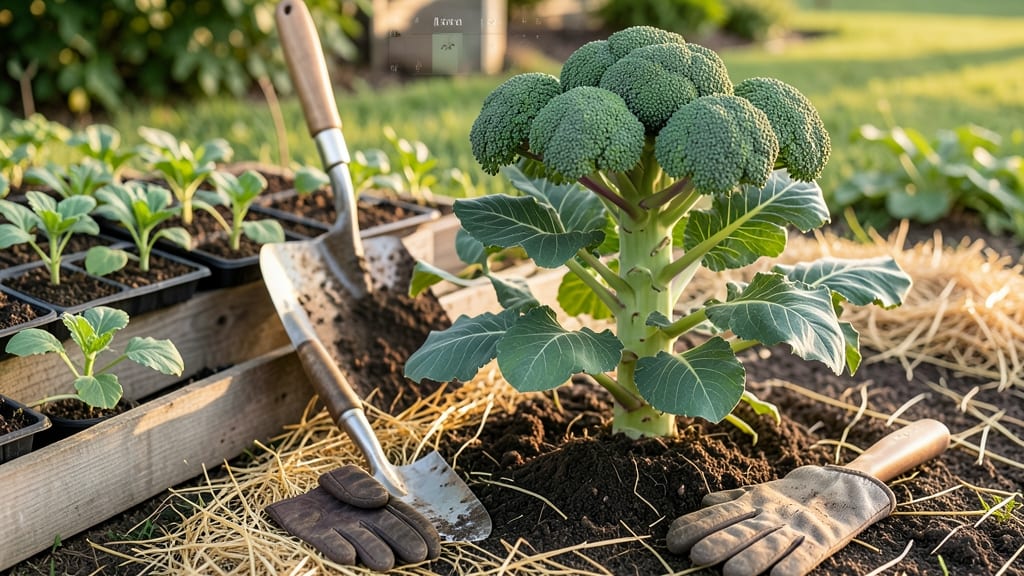
Planting a fall garden in Zone 7 about 4 to 6 weeks before the first frost is the key to unlocking a harvest that lasts well into winter.
Timing your fall garden in Zone 7 can mean the difference between a bountiful harvest and wasted seeds—getting the exact weeks before frost wrong could cost you months of hard work.
With the first frost typically hitting around October 15, you’ve got a narrow window to plant cool-season crops like kale, carrots, and spinach.
But don’t stress: I’ll break down the exact weeks to plant, which crops thrive in Zone 7’s fall conditions, and how to stretch your harvest even longer with simple tricks.
Whether you’re a first-time gardener or a seasoned pro, these strategies will help you maximize your fall garden’s potential and enjoy fresh produce long after summer fades.
Exact weeks before frost to plant cool-season vegetables in Zone 7
In Zone 7, where the average first frost falls between October 15–November 10, timing your fall vegetable planting is everything. Plant too early, and your cool-season crops bolt or bitter; too late, and they won’t mature before frost.
The key is calculating 4–8 weeks before frost based on each crop’s days to maturity. For example, leafy greens like spinach or lettuce need just 30–45 days, while brassicas like broccoli or cabbage require 60–80 days. Start with these calculations to avoid common mistakes.
Use your local frost date as your anchor. If your area tends toward the earlier end (October 15), begin planting leafy greens as early as mid-August.
For root vegetables like carrots or beets, which take 50–70 days, aim for late August to early September. Brassicas, the slowest growers, should go in by late July to early August if you want a full harvest before frost.
This schedule ensures your plants mature just as temperatures drop, locking in sweetness and crispness.
Here’s a summary table breaking down the exact weeks before frost to plant popular cool-season vegetables in Zone 7, including succession planting windows for continuous harvests:
| Vegetable | Days to Maturity | Weeks Before Frost | Succession Planting | Notes |
|---|---|---|---|---|
| Lettuce (Leaf) | 30–40 | 4–6 | Every 2 weeks | Bolt-resistant varieties like 'Black Seeded Simpson' |
| Spinach | 35–45 | 5–6 | Every 3 weeks | Cold-hardy; harvest before flowering |
| Kale | 50–60 | 7–8 | Single planting | Sweeter after frost; use row covers |
| Carrots | 60–70 | 8–9 | Every 3 weeks (short varieties) | Loose soil prevents forking; harvest before hard freeze |
| Broccoli | 60–80 | 9–10 | Single planting | Side dress with nitrogen; harvest before heads yellow |
| Radishes | 25–30 | 3–4 | Every 2 weeks | Fast-growing; great for gaps |
| Green Onions | 50–60 | 7–8 | Every 3 weeks | Cut-and-come-again; cold-hardy |
| Turnips | 45–55 | 6–7 | Single planting | Both roots and greens edible |
For succession planting, focus on fast-growing crops like radishes, lettuce, and green onions. These can be sown every 2–3 weeks from late summer until 6 weeks before frost to ensure a steady supply.
For example, if your frost date is November 1, your last succession planting for radishes should be mid-September. This strategy maximizes your garden space and minimizes waste.
Don’t overlook soil temperature—cool-season crops thrive when soil is between 45–75°F. Use a soil thermometer to check before planting. If your soil is still warm in late summer, wait until temperatures drop naturally or use shade cloth to cool the soil.
This prevents bolting in heat-sensitive crops like lettuce. I’ve seen lettuce turn bitter in 80°F soil, so patience here pays off.
Best fall vegetables for Zone 7 and how to extend their growing season
When planning your Zone 7 fall garden, selecting the right cold-hardy vegetables is half the battle. The other half? Knowing how to extend their growing season past the first frost.
I’ve tested these top 10 vegetables over the years—some are hardy enough to survive light frosts, while others thrive with simple protective measures.
For maximum success, focus on leafy greens, root vegetables, and brassicas. These crops not only tolerate cooler temperatures but also sweeten when exposed to frost. My personal favorites? Kale and carrots—they’re forgiving, productive, and perfect for beginners.
To extend the growing season, I rely on three foolproof strategies: row covers, cold frames, and soil amendments. Row covers (like frost blankets) add just 2–4°F of warmth, while cold frames can delay frost by weeks.
For soil, I mix in compost and aged manure to boost nutrients—cold-hardy plants need all the energy they can get when nights get chilly.
Start by planting fast-maturing varieties like radishes (25 days) or bush beans (50 days) in early August. Then, follow with slower growers like kale (60 days) or broccoli (70 days) in mid-to-late August. This succession planting ensures a steady harvest right up to frost.
One of my biggest mistakes was ignoring soil temperature. Cool-season crops struggle in warm soil, so I now test soil temps—ideal range is 45–65°F. If it’s too hot, I wait or use shade cloth to cool the soil before planting.
For late-season protection, I cover my most valuable crops (like brussels sprouts) with frost cloth when temps drop below 28°F. Even a light frost can sweeten greens, but hard freezes will ruin them. With these tricks, I’ve extended harvests by 4–6 weeks—sometimes even into December!
Don’t forget to harvest regularly. Many fall crops, like lettuce and spinach, bolt (go to seed) when days shorten. Picking outer leaves encourages continuous growth, and harvesting in the morning ensures the crispest texture.