
Container Gardens
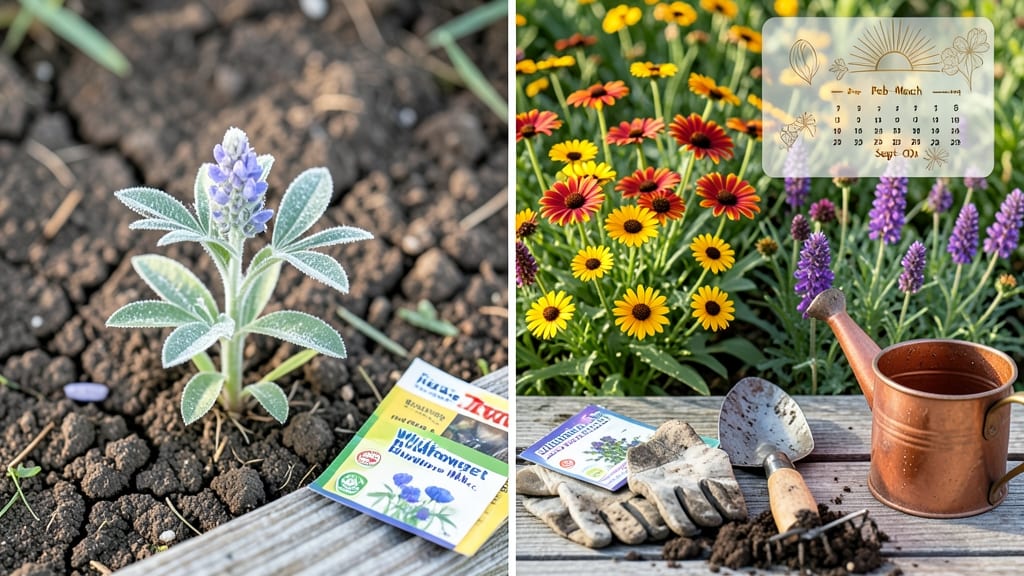
To plant gardens in Texas, timing varies by region and crop type: North Texas starts cool-season vegetables in September-October and warm-season plants in March-April; Central Texas follows October-November for cool crops and April-May for warm; South Texas can plant cool-season crops September-October and warm-season February-March, while West Texas aligns with North Texas but begins warm-season planting in February-March to escape summer heat.
Texas's diverse climate means your planting schedule should match your region's last frost dates and heat tolerance. For instance, North Texas gardeners can start cool-season crops like lettuce and spinach in late summer, while South Texas's milder winters allow earlier warm-season planting in February.
The key is understanding your area's microclimate—some spots may experience frost weeks after the official average, so always monitor local weather patterns. 🌱
Another critical factor is crop type: leafy greens thrive in cooler months, while tomatoes and peppers need consistent warmth. Central Texas's longer growing season lets gardeners extend harvests, but West Texas's dry heat requires extra irrigation planning.
I always recommend checking the USDA Plant Hardiness Zone Map for your specific location to fine-tune your timing—it makes all the difference between a thriving garden and a struggling one.
💡 In This Article
- Texas Planting Zones: How Climate Affects Garden Timing
- Best Texas Planting Calendar by Crop Type
Texas planting zones: how climate affects garden timing
Texas spans USDA hardiness zones 7a-10b, creating dramatic climate variations that directly impact planting windows. North Texas (zones 7b-8a) experiences average last frost dates between February 15-March 15, while South Texas (zones 9a-10b) rarely sees frost, allowing year-round gardening for heat-tolerant crops.
The transition zones like Central Texas (8a-9a) have the most complex timing due to rapid temperature swings—average lows can drop to 28°F in winter but climb to 100°F+ by summer, forcing gardeners to time cool-season crops precisely before the heat arrives. 🌡️
Humidity plays a surprising role too. East Texas's high moisture levels create ideal conditions for fungal diseases, which is why planting warm-season crops like cucumbers and squash should begin 2-3 weeks earlier than in drier West Texas to establish roots before fungal pressure peaks in summer.
Meanwhile, West Texas's arid climate means irrigation becomes the critical factor—warm-season seeds need consistent moisture to germinate, often requiring pre-watering the soil 24-48 hours before planting to prevent desiccation. The key difference? East Texas gardeners focus on disease prevention, while West Texas gardeners prioritize water management.
Microclimates within regions add another layer of complexity. Urban areas like Dallas often experience 5-10°F warmer nights than rural areas due to the "urban heat island" effect, allowing for slightly earlier warm-season planting.
Conversely, high-elevation areas in North Texas (like the Davis Mountains) can have frost dates 2-3 weeks later than surrounding lowlands.
This is why I always recommend checking local weather station data for your specific ZIP code rather than relying solely on regional averages—what works in Lubbock might fail in Austin just 200 miles away. 🗺️
Crop heat tolerance thresholds explain why planting windows vary so dramatically. Cool-season vegetables like broccoli and cabbage bolt (flower prematurely) when soil temperatures exceed 75°F, while warm-season staples like tomatoes and peppers require soil temps above 60°F to thrive.
In Central Texas, this means cool-season crops must be in the ground by mid-November to avoid bolting before winter chill sets in, while warm-season plants can't go in until mid-April when soil temperatures consistently stay above 65°F.
The science here is about matching plant physiology with environmental conditions—get it wrong, and you're fighting nature.
Here's what most Texas gardeners miss: The 10-day rule. Many seeds require 10 consecutive days of stable temperatures before germination becomes reliable.
In transitional zones like San Antonio, this means waiting until mid-March for warm-season crops even if the thermometer hits 80°F—those afternoon heat spikes can still prevent proper germination.
The same rule applies to cool-season crops in fall: Planting too early when nights are still warm (above 70°F) leads to slow growth and pest susceptibility. 🌱
Consider these regional frost-free date averages as your baseline, but always verify with local data:
- North Texas: Last frost March 15, first frost November 15 (zones 7b-8a)
- Central Texas: Last frost March 1, first frost November 1 (zones 8a-9a)
- South Texas: Rare frost, year-round gardening possible (zones 9a-10b)
- West Texas: Last frost March 1, first frost November 15 (zones 7b-8a)
The bottom line? Texas gardening succeeds when you align your planting with these climate realities—not against them. Start with your zone, adjust for local microclimates, and time your crops to avoid those critical temperature thresholds where plants struggle. That's how you turn Texas's challenging climate into a gardening advantage. ✨