
Tools
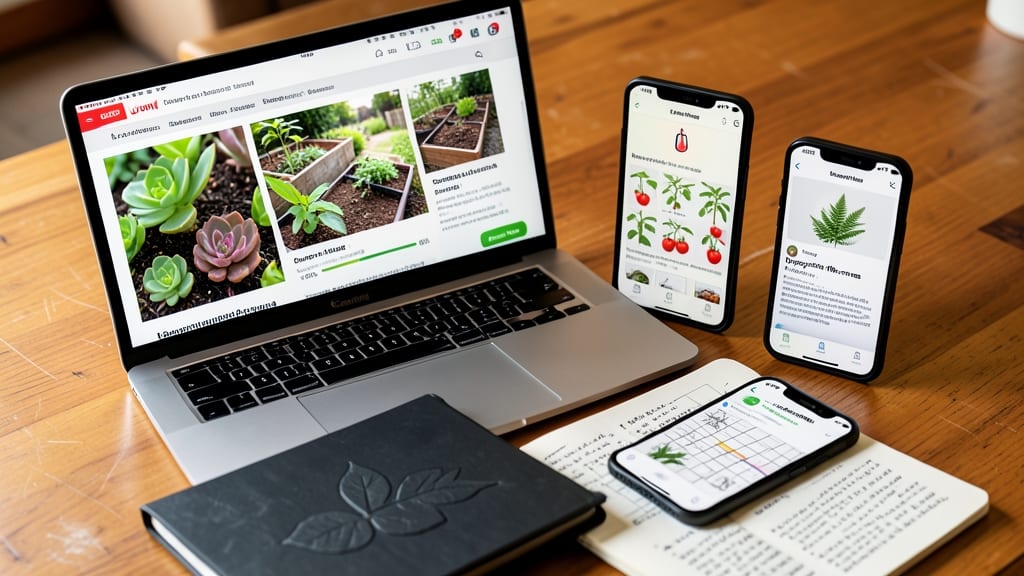
To learn gardening online, explore MasterClass for expert-led classes, Coursera for structured horticulture programs, or YouTube channels for free visual tutorials from experienced gardeners. Beginners can start with Udemy’s budget-friendly courses or The Old Farmer’s Almanac Academy for practical guidance.
Online gardening education lets you learn at your own pace, whether you're a total newbie or looking to refine your skills. 🌱 I’ve found that MasterClass stands out for its celebrity instructors who bring real-world expertise, while Coursera offers university-backed courses with certificates that can boost your credibility.
For hands-on learners, YouTube channels like Epic Gardening provide step-by-step visuals that make complex techniques feel accessible—perfect for troubleshooting specific problems in your garden.
Budget-conscious learners shouldn’t overlook free resources either. University extension programs often host webinars, and blogs like Gardener’s Path break down concepts in digestible formats. Reddit’s r/Gardening community is another goldmine for real-time advice from fellow enthusiasts.
The key is matching your learning style—structured courses for theory, YouTube for visual learners, and forums for community support.
💡 In This Article
- Top Online Platforms for Structured Gardening Education
- Free and Low-Cost Gardening Resources for All Skill Levels
Top online platforms for structured gardening education
Structured online platforms offer gardening education with clear learning paths, expert instructors, and measurable progress. Coursera stands out for its university-backed courses like "Gardening for Everyone" from the University of California, which breaks down horticulture science into 4-week modules with weekly quizzes.
The platform’s pricing ranges from $29-$79 per course, making it accessible while offering certificates that validate your skills—useful if you plan to start a garden business or work in landscape design.
MasterClass takes a different approach by featuring celebrity instructors like Mirabel Osler, a renowned gardener who teaches organic gardening techniques in her 3-hour course.
What sets MasterClass apart is the behind-the-scenes access—you’ll see Osler’s 2-acre organic farm in action, complete with close-up shots of soil texture and plant interactions.
The subscription model costs $15/month, but the depth of knowledge makes it worth it for serious enthusiasts. 🌿 For beginners, the courses are structured to build foundational skills before diving into advanced topics like permaculture.
Udemy offers the most budget-friendly option, with courses like "The Complete Gardening Masterclass" priced around $12.99 during sales. These courses often include downloadable resources like planting charts and soil test guides, which are practical tools for real-world application.
What’s unique about Udemy is its focus on niche topics—whether you’re interested in container gardening, urban farming, or heirloom vegetable cultivation, you’ll find specialized instructors. The downside? Quality varies, so always check student reviews for course rigor.
Certification matters if you’re aiming to professionalize your gardening skills. Coursera’s courses often partner with institutions like Michigan State University, giving you credentials that carry weight in the industry. MasterClass, while lacking formal certification, offers a letter of completion signed by the instructor—a nice touch for personal portfolios.
Udemy’s certificates are less recognized but still valuable for hobbyists looking to track their progress. Always verify whether a course aligns with your career goals before enrolling.
Consider your learning style when choosing a platform. Coursera’s structured format suits those who thrive on deadlines and assessments, while MasterClass appeals to visual and hands-on learners. Udemy’s flexibility makes it ideal for self-paced study, especially if you’re juggling gardening with other responsibilities.
For maximum impact, combine platforms—start with a Coursera course for theory, then apply what you’ve learned through MasterClass’s practical demonstrations.
Don’t overlook the hidden gem of university extension programs. Many state agricultural universities (like Cornell or Penn State) offer free or low-cost online workshops on topics like pest management or composting techniques.
These resources often include local climate data, which is critical for success in your specific growing zone. Pairing a structured course with these regional insights creates a well-rounded education.