
Vegetables
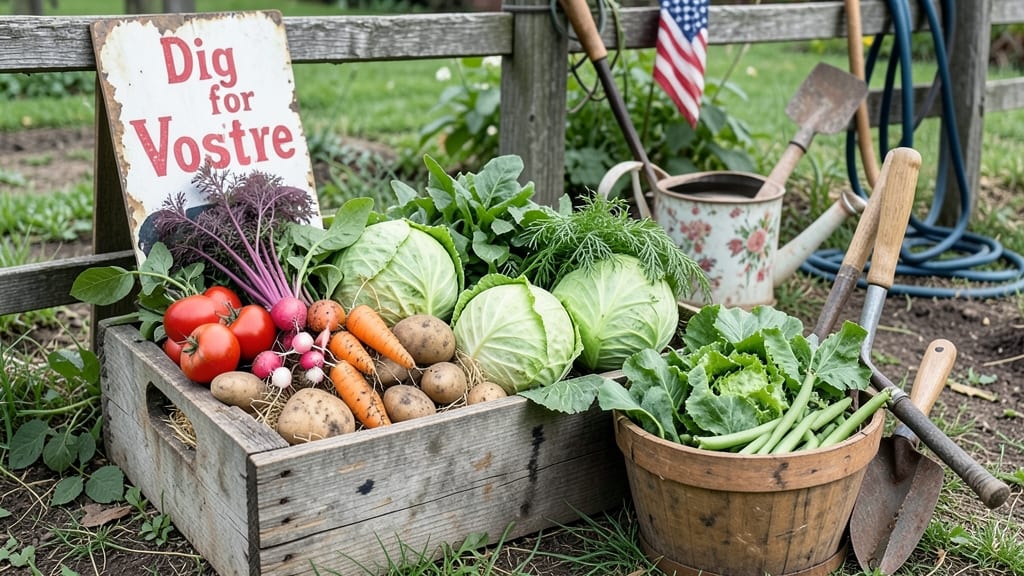
Victory gardens were important because they boosted World War II food supplies by growing fresh produce locally, reducing reliance on commercial agriculture and easing wartime food shortages. These gardens also fostered community spirit and self-sufficiency during rationing periods.
During World War II, food shortages created urgent challenges for American families.
Victory gardens helped address this by converting lawns and empty lots into productive farmland right in urban areas. 🌱 These gardens produced over 40% of the nation's fresh vegetables by 1943, taking pressure off strained supply chains and freeing up commercial crops for troops overseas.
The government even promoted them through posters featuring Rosie the Riveter, turning gardening into a patriotic duty.
Beyond food production, these gardens played a crucial social role. They brought neighbors together, creating shared spaces where people could learn new skills and support each other during difficult times. Schools often participated, teaching children about nutrition and responsibility.
The sense of accomplishment from growing your own food became a powerful morale booster during rationing, proving that ordinary citizens could make meaningful contributions to the war effort.
💡 In This Article
- How Victory Gardens Solved WWII Food Shortages
- The Civic and Psychological Role of Victory Gardens
How victory gardens solved WWII food shortages
Victory gardens transformed urban landscapes into productive farmland during World War II, producing an astonishing 40% of the nation's fresh vegetables by 1943. These gardens grew everything from tomatoes and carrots to potatoes and cabbage in backyards, parks, and even rooftops.
The average garden measured about 150 square feet but could yield 20-30 pounds of produce per month—enough to feed a family of four for weeks. This local production directly relieved pressure on commercial farms, which were prioritizing crops for troops overseas, like wheat and corn.
The real genius of victory gardens lay in their strategic impact on food distribution. Before the war, most vegetables traveled thousands of miles from rural farms to cities, consuming precious fuel and transport resources.
By growing food locally, victory gardens cut shipping demands by millions of tons annually, freeing up trucks and trains for military use.
The U.S. Department of Agriculture even distributed 10 million seed packets in 1943 alone, ensuring families had everything they needed to succeed. 🌱 These gardens also provided fresh produce that wasn't available through rationed grocery stores, where canned vegetables dominated shelves.
Victory gardens worked hand-in-hand with government rationing programs. While families received limited meat and sugar coupons, their gardens provided essential vitamins and nutrients.
A 1944 study found that households with victory gardens consumed 20% more fresh vegetables than those without, directly improving public health during a time when malnutrition risks rose. The gardens even helped stabilize prices—local produce remained affordable even as wartime inflation affected commercial markets.
This dual approach of growing and rationing created a balanced system that kept both bellies and spirits full.
What's often overlooked is how victory gardens adapted to urban constraints. Gardeners used innovative techniques like square-foot gardening (a precursor to modern intensive planting) to maximize small spaces. They grew fast-maturing varieties like radishes (25 days) and bush beans (50 days) to ensure quick harvests.
Even apartment dwellers participated by growing herbs in windowsills or joining community plots. This adaptability proved that food production wasn't limited to rural farms—it could thrive anywhere with soil and sunlight.
The agricultural impact extended beyond mere numbers. Victory gardens demonstrated that ordinary citizens could make extraordinary contributions to the war effort. When commercial tomato production dropped by 30% in 1942 due to labor shortages, victory gardens filled the gap with homegrown tomatoes.
This practical solution showed how decentralized food production could be a powerful tool during crises. The success of these gardens even influenced post-war agricultural policies, planting seeds for modern community gardening movements.
Consider this: if every American family had maintained a 100-square-foot garden during the war, the country could have produced enough vegetables to feed its entire population for an additional 18 months.
That's the power of victory gardens—not just as food sources, but as proof that collective action could solve national challenges. 💫